
Ebola – Congo’s Deadly Outbreak Claims More Than 930 Lives Amid Response Challenges
Ebola – The Democratic Republic of the Congo is facing a worsening Ebola outbreak as the number of fatalities continues to climb, placing growing pressure on the country’s healthcare system. According to the Ministry of Health, at least 930 people have died after contracting the virus. Health officials confirmed that 2,344 cases had been recorded by Saturday, highlighting the rapid spread of the disease across affected regions.
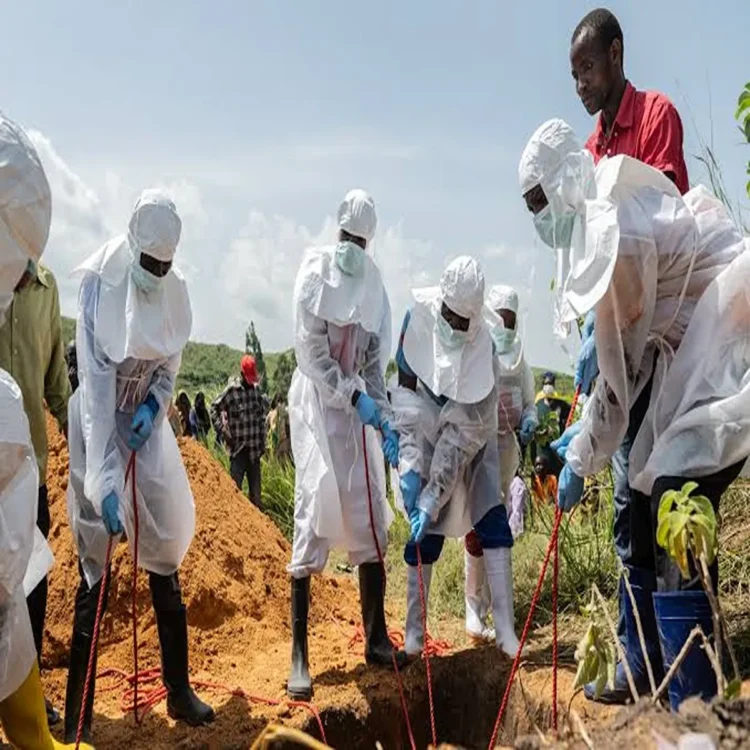
Daily Death Toll Continues to Rise
The latest figures released by the health ministry showed that 37 additional deaths were reported within a 24-hour period, making it one of the deadliest single-day increases since the outbreak began. Officials said the virus continues to spread in several health zones despite ongoing containment efforts, raising concerns about the ability to slow transmission in the coming weeks.
Outbreak Expands at Unprecedented Speed
The Ebola outbreak was officially declared in eastern Congo on May 15 and has since become the fastest-growing outbreak of its kind on record in the country. Health experts say the current emergency is linked to the Bundibugyo strain of the Ebola virus, a less common variant that presents unique challenges. Unlike some other Ebola strains, there is currently no approved vaccine or specific treatment available for this form of the virus, making prevention and early detection even more critical.
Security Problems Hamper Medical Response
Efforts to control the outbreak have been severely affected by ongoing security concerns, particularly in Ituri province, which remains the hardest-hit area. Authorities have reported repeated attacks targeting healthcare facilities and medical teams working on the front lines. Since the outbreak was declared, at least 12 such incidents have disrupted emergency operations, limiting access to vulnerable communities and delaying patient care.
The difficult security environment has also complicated disease surveillance, contact tracing, and the safe transportation of medical supplies. Health officials continue to urge local communities to support response teams so essential services can continue without interruption.
Health Workers Face Heavy Burden
Medical personnel have carried much of the responsibility for responding to the crisis while also facing significant personal risks. The health ministry confirmed that at least 36 healthcare workers have died after becoming infected with the Ebola virus during the outbreak.
At the same time, parts of the healthcare workforce have temporarily stopped working in protest over delayed salary payments, adding further strain to an already overstretched response system. Officials are working to resolve these issues while maintaining critical medical services in the affected areas.
Hundreds Remain Under Medical Care
The Ministry of Health said 724 patients are currently receiving treatment or are being monitored in isolation facilities and hospitals across impacted health zones. Authorities stated that additional response measures are being expanded to strengthen case management, improve infection control, and support local health teams.
Public health officials continue to encourage early reporting of symptoms and cooperation with medical teams as they attempt to contain the outbreak. While the situation remains serious, authorities say they are increasing resources and coordination to reduce further infections and protect communities at greatest risk.