
Diplomacy – Russia and North Korea Expand Law Enforcement Cooperation Talks
Diplomacy – Russia and North Korea have taken further steps to strengthen coordination in law enforcement, signaling a broader alignment between the two countries as their relationship continues to evolve.
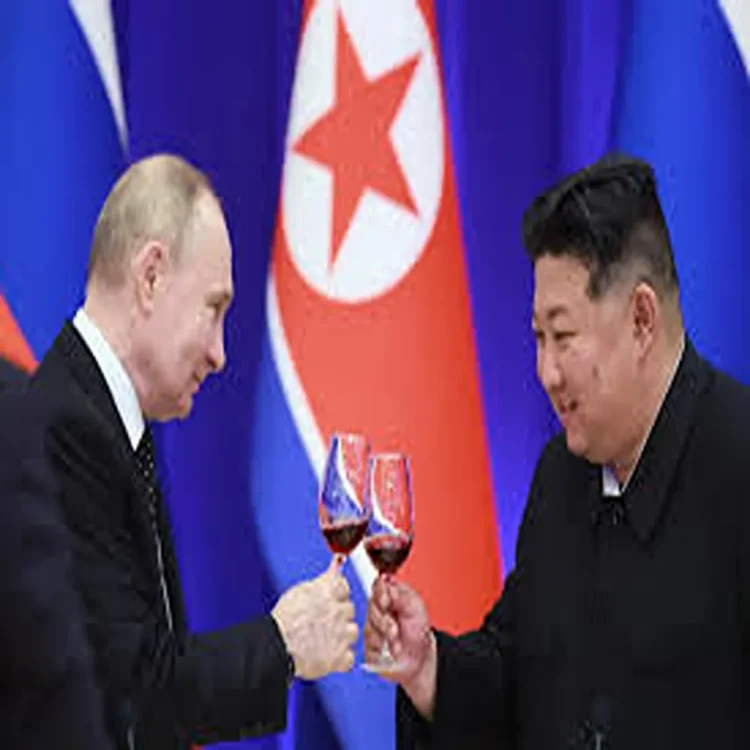
High-Level Meeting in Pyongyang
Senior officials from both nations met in Pyongyang for discussions focused on improving collaboration between their internal security agencies. Russia’s Interior Minister Vladimir Kolokoltsev and North Korea’s Public Security Minister Pang Tu-sop exchanged insights into their respective law enforcement systems, including operational practices and recent achievements. According to official reports, the meeting aimed to deepen mutual understanding and identify areas where joint efforts could be enhanced.
Focus on Combating Cross-Border Crime
One of the key issues raised during the talks was the growing concern over drug trafficking. Russian officials emphasized the importance of closer information-sharing between the two countries to tackle illegal drug networks more effectively. The discussion highlighted the need for coordinated action, particularly in tracking individuals and organizations suspected of involvement in cross-border smuggling activities.
The emphasis on narcotics control reflects wider concerns about transnational crime, especially as increased connectivity between the two countries could create new enforcement challenges.
Plans for Continued Engagement
As part of the ongoing dialogue, both sides agreed to expand exchanges between their ministries. A formal roadmap covering 2026–2027 was signed, outlining plans for regular delegation visits and institutional cooperation. This agreement suggests a structured approach to strengthening ties in public security, with a focus on sustained interaction rather than isolated meetings.
In addition, the Russian minister extended an invitation to his North Korean counterpart to visit Moscow, indicating that future discussions are expected to continue at a high level.
Observations and Symbolic Engagements
During his visit, the Russian delegation also attended a demonstration of shooting training conducted by North Korean security personnel. Such activities, while largely symbolic, reflect efforts to build familiarity and trust between the two sides’ law enforcement bodies.
These engagements often serve as a platform for informal exchanges, allowing officials to observe operational techniques and share perspectives beyond formal discussions.
Broader Context of Growing Bilateral Ties
The meeting comes at a time when relations between Moscow and Pyongyang are becoming increasingly close. Cooperation between the two nations has expanded beyond diplomacy to include military, economic, and security dimensions. Analysts view this latest engagement as part of a broader pattern of alignment, particularly in the context of ongoing geopolitical developments.
Reports indicate that North Korea’s involvement in supporting Russia’s military efforts has contributed to stronger ties, creating momentum for deeper collaboration across various sectors.
Infrastructure Developments and Security Implications
Another significant factor influencing the talks is the nearing completion of a road bridge over the Tumen River, expected to enhance physical connectivity between the two countries. Once operational, the bridge is likely to facilitate greater cross-border movement of people and goods.
While this development may boost economic interaction, it also raises concerns about potential increases in illegal activities such as trafficking and unauthorized border crossings. As a result, both nations appear keen to reinforce security measures in anticipation of these changes.
Speculation Around Upcoming Events
The timing of the meeting has also drawn attention due to reports suggesting a possible visit by a senior Russian military official to North Korea. The visit is expected to coincide with the inauguration of a memorial honoring North Korean soldiers who reportedly lost their lives while supporting Russian forces.
Additionally, North Korea is preparing to mark the anniversary of a significant military event linked to Russia’s operations in the Kursk region. These developments further underline the deepening strategic connection between the two countries.
Strengthening Institutional Links
Overall, the recent discussions highlight a growing emphasis on institutional cooperation in public security. By formalizing exchanges and addressing shared concerns such as organized crime, Russia and North Korea appear to be laying the groundwork for a more coordinated approach to internal and cross-border security challenges.