
Diplomacy – Rubio Faces Fresh Congressional Scrutiny Over Iran Conflict Strategy
Diplomacy – Secretary of State Marco Rubio is expected to face extensive questioning from lawmakers on Tuesday as he appears before Congress for a series of hearings focused on the State Department’s budget request. While the official purpose of the sessions is to discuss departmental funding, much of the attention is likely to center on the administration’s handling of the ongoing conflict involving Iran and the broader direction of U.S. foreign policy.
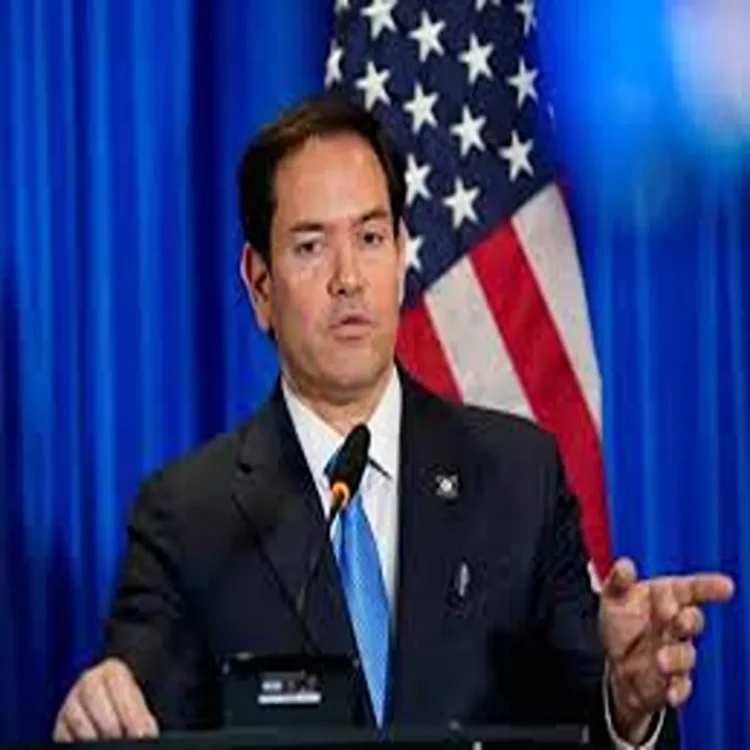
Focus Shifts From Budget to Foreign Policy Challenges
Rubio’s appearances before both House and Senate committees come at a time when diplomatic efforts aimed at easing tensions between Washington and Tehran remain uncertain. Although a ceasefire framework exists, recent exchanges and military incidents have raised concerns about its long-term stability. Lawmakers are expected to seek clarity on the administration’s plans for preventing further escalation and securing lasting regional stability.
The hearings will mark Rubio’s first public testimony before Congress since the conflict began earlier this year. His remarks are expected to draw significant attention from both parties, particularly as questions continue over the objectives and costs associated with U.S. involvement in the crisis.
Debate Continues Over Military Action
Since the start of the conflict, administration officials, including Rubio, have defended President Donald Trump’s decision to authorize military operations. They have argued that the action was necessary to address security concerns involving Iran. However, critics have pointed to previous commitments made by Trump to avoid prolonged military engagements in the Middle East.
Adding to the debate are concerns about shifting policy goals throughout the conflict. Some lawmakers have questioned whether the administration has provided a consistent strategy regarding the military campaign and its desired outcomes.
Growing Concerns Inside Congress
In the weeks following the initial military strikes, Rubio participated in classified briefings with members of Congress. Those discussions highlighted divisions among lawmakers, with many Democrats criticizing the absence of formal congressional authorization, while a large portion of Republicans initially supported the administration’s approach.
More recently, however, concerns have expanded beyond procedural questions. Several lawmakers have begun focusing on the financial impact of the conflict and its potential consequences for the U.S. economy. With midterm elections approaching, some members of both parties are paying closer attention to voter concerns about government spending and international military commitments.
Republican Support Shows Signs of Strain
Political pressure surrounding the conflict has become increasingly visible on Capitol Hill. Last month, the Senate advanced legislation that would have required the administration to end U.S. involvement in the conflict. The measure gained momentum after support emerged from lawmakers who had previously aligned with the administration on foreign policy issues.
The House of Representatives also considered a separate war powers measure. However, party leaders ultimately prevented the proposal from reaching a floor vote after indications that support for defeating the resolution was uncertain.
These developments suggest that maintaining unified political support for the administration’s handling of the conflict has become more challenging. A growing number of Republican lawmakers appear willing to publicly express disagreements over aspects of the strategy.
Cuba Policy Also Expected to Draw Attention
Beyond Iran, Rubio is likely to face questions regarding the administration’s increasingly firm stance toward Cuba. Recent statements from President Trump have suggested that Cuba could become a greater focus of U.S. foreign policy once current operations involving Iran are resolved.
Despite ongoing diplomatic contacts between officials from both countries, the administration has continued to issue warnings directed at Cuba’s government. Those remarks gained additional significance following the announcement of criminal charges against former Cuban President Raúl Castro.
Rubio Maintains Longstanding Position
Throughout his years in Congress and now as America’s chief diplomat, Rubio has consistently argued that Cuba presents national security concerns because of its relationships with governments viewed as adversaries of the United States. He has repeatedly maintained that addressing those concerns remains an important objective of the administration’s foreign policy agenda.
With multiple hearings scheduled across two days, lawmakers are expected to use the opportunity to seek answers on both the Iran conflict and future U.S. actions abroad. The discussions could provide important insight into how the administration intends to navigate a rapidly evolving international landscape in the months ahead.