
Conflict – Lebanon Moves Toward Long-Term Stability After Fragile Ceasefire
Conflict – Lebanon has entered what President Joseph Aoun described as a decisive new phase, shifting from managing a fragile ceasefire to pursuing lasting political and security arrangements. In a national address, Aoun said the country is now focusing on securing agreements that protect citizens’ rights, preserve territorial unity, and reinforce state sovereignty after months of conflict.
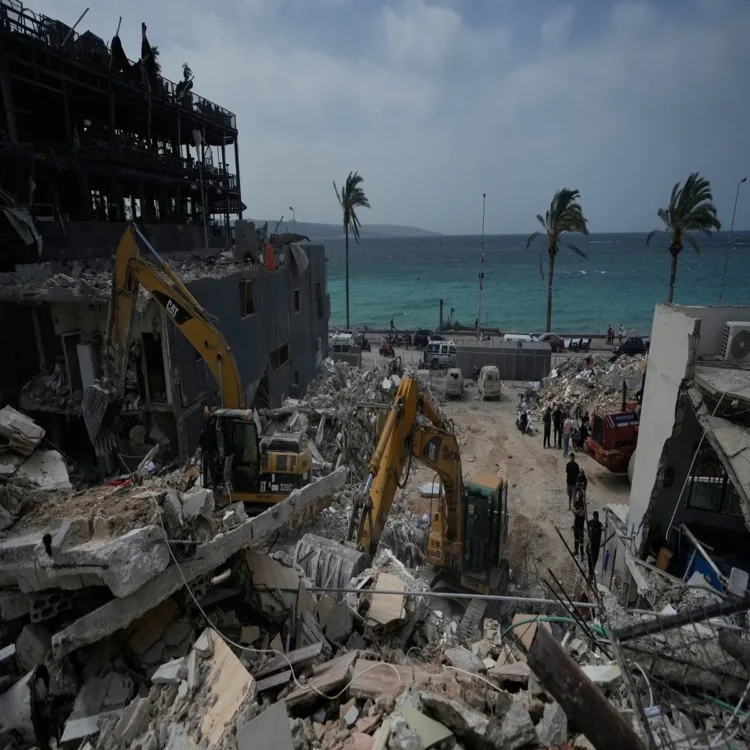
Transition From Ceasefire to Negotiations
According to Aoun, Lebanon’s immediate priority has evolved beyond simply maintaining a ceasefire. The government is now working toward comprehensive negotiations aimed at ensuring long-term peace and stability. He expressed confidence that the same determination shown during earlier efforts would guide the country through this next stage.
The president credited the ceasefire to the resilience of Lebanese citizens, particularly those living in frontline areas, as well as ongoing diplomatic engagement with regional and international partners. These combined efforts, he said, helped prevent further escalation and created space for dialogue.
Emphasis on Sovereignty and National Interests
Aoun stressed that entering negotiations should not be viewed as a sign of weakness. Instead, he framed it as a strategic decision intended to safeguard national interests, reduce casualties, and bring an end to widespread displacement.
He also acknowledged the heavy human cost of the conflict, noting that thousands of lives have been lost. Aoun emphasized that Lebanon must avoid further sacrifices driven by external interests or political calculations, pledging to take full responsibility for decisions made during this critical period.
Key Goals for the Next Phase
The Lebanese leadership has outlined several priorities for the coming negotiations. These include ending Israeli military operations within Lebanese territory, ensuring the withdrawal of Israeli forces, and securing the release of detainees.
Another major focus is facilitating the safe return of displaced citizens and restoring full government authority across all regions of the country. Aoun also called for unity under a single national framework, urging all groups to support the state’s institutions and avoid divisions that could weaken internal stability.
Hezbollah موقف and Internal Challenges
Despite the government’s push for negotiations, internal divisions remain. Wafiq Safa, a senior member of Hezbollah’s political council, made it clear in a media interview that the group’s weapons are not open for discussion at this stage.
He stated that disarmament cannot be considered until key conditions are met, including a complete halt to attacks, the withdrawal of Israeli forces, the return of prisoners, and reconstruction efforts. Safa also expressed skepticism toward ceasefire arrangements that resemble previous agreements, particularly the one in place since late 2024.
Background of the Recent Escalation
The earlier ceasefire between Israel and Hezbollah, established in 2024, was marked by frequent violations, including near-daily airstrikes. The situation deteriorated further in early March when Hezbollah launched rockets toward Israel, leading to intensified retaliatory strikes across Lebanon.
A recent 10-day ceasefire was implemented in an effort to stop the escalation. According to Lebanon’s health authorities, the conflict has resulted in more than 2,200 deaths, including medical personnel and emergency workers.
Ongoing Tensions Despite Ceasefire
Although both sides have signaled cautious commitment to the latest truce, tensions remain high. Hezbollah representatives have stated that their adherence depends on whether the ceasefire applies across all Lebanese territory.
On the other side, Israeli leadership has indicated that while diplomatic solutions are being considered, military objectives against Hezbollah have not yet been fully achieved. Reports of continued drone strikes in southern Lebanon highlight the fragility of the current situation.
As Lebanon moves into this new phase, the success of negotiations will depend on both internal consensus and external cooperation. While the ceasefire has provided a temporary pause, achieving lasting peace will require sustained diplomatic effort and careful management of regional tensions.