
Conflict – Iran and US Face Rising Strain Ahead of Ceasefire Deadline
Conflict – As the April 22 ceasefire deadline draws closer, relations between Iran and the United States appear increasingly strained, raising concerns about the possibility of renewed confrontation.
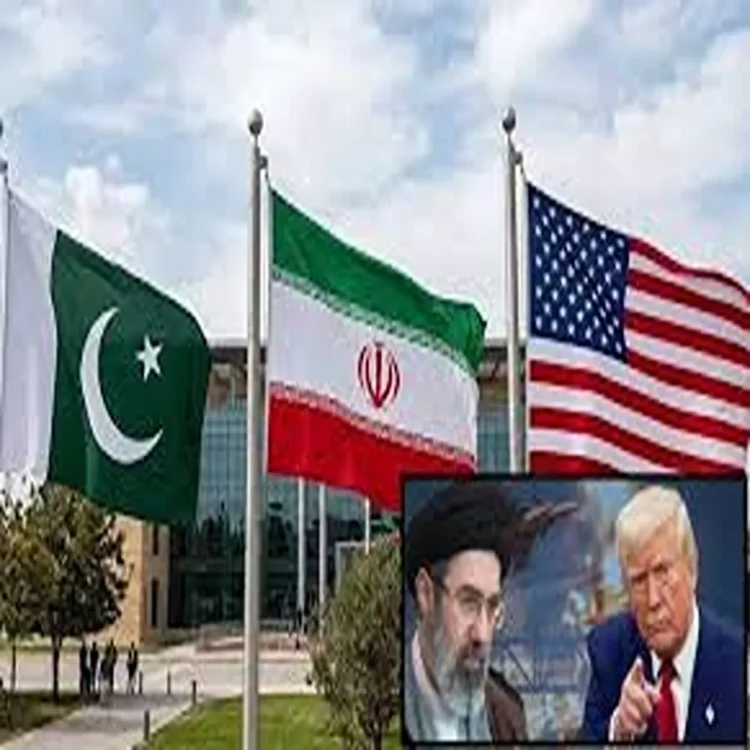
The situation has intensified following strong remarks from Iran’s senior negotiator and parliamentary speaker, Mohammad Baqer Ghalibaf. He openly criticised former US President Donald Trump, accusing Washington of undermining diplomatic efforts through hostile language and alleged violations of the ongoing truce. Ghalibaf made it clear that Tehran would not engage in negotiations under pressure, describing the current US approach as an attempt to force Iran into submission rather than encourage meaningful dialogue.
Iran Signals Firm Position on Negotiations
In a public message, Ghalibaf stated that Iran views the current diplomatic environment as unfair and coercive. He warned that if tensions escalate further, Tehran is prepared to respond with new strategies, hinting at possible developments beyond the diplomatic sphere. His comments reflect growing frustration within Iranian leadership over what they perceive as aggressive US tactics during a sensitive phase of negotiations.
US Warning Adds to Global Concerns
The sharp response from Tehran comes after a series of uncompromising statements from Donald Trump. In a recent interview, he issued a stark warning regarding the upcoming talks scheduled in Islamabad. Trump suggested that failure to reach a significant agreement by the deadline could lead to serious consequences, including potential military action. His remarks have added to global anxiety, with observers fearing that such rhetoric could derail already fragile peace efforts.
Trump also expressed uncertainty about Iran’s participation in the talks, noting that while both sides had initially agreed to attend, Tehran’s final decision remained unclear. However, he indicated that the United States would proceed regardless, signalling readiness to either secure a deal or reconsider its approach if negotiations collapse.
Longstanding Issues Remain Unresolved
At the heart of the current standoff are unresolved disputes over Iran’s nuclear programme and concerns surrounding the Strait of Hormuz, a critical route for global oil shipments. Although a temporary 14-day ceasefire has paused active conflict, deep mistrust continues to define the relationship between the two nations.
Recent reports from Iranian state media suggest that Tehran may consider skipping the Islamabad meeting altogether. These reports cite what Iran describes as excessive demands and inconsistent positions from Washington as key reasons for this possible decision.
Diplomatic Channels Under Strain
Iran’s foreign ministry has also raised questions about the credibility of the US-led negotiation process. During discussions with Pakistan’s Foreign Minister Ishaq Dar, Iranian Foreign Minister Abbas Araghchi pointed to alleged ceasefire violations and provocative actions by the United States as major obstacles to progress.
Araghchi highlighted concerns over reported interference with Iranian commercial vessels and criticised what he described as contradictory messaging from the US administration. He emphasised that Iran would carefully assess the situation before committing to any further diplomatic engagements.
Leadership Voices Strong Resistance
Iranian President Masoud Pezeshkian has reinforced the country’s stance, stressing that genuine negotiations must be built on mutual respect and adherence to commitments. He accused the United States of sending unhelpful signals in the lead-up to the deadline and suggested that recent actions indicate an attempt to pressure Iran into compliance.
According to Pezeshkian, such an approach is unlikely to succeed, as Iran remains committed to defending its sovereignty and interests. His remarks underline a broader consensus within Iranian leadership against negotiating under perceived coercion.
Uncertain Outlook as Deadline Nears
With only limited time remaining before the ceasefire expires, both sides appear firmly entrenched in their positions. The possibility of renewed hostilities continues to loom, while the success of the Islamabad talks remains uncertain.
The coming days will be crucial in determining whether diplomacy can prevail or if the situation will shift towards a more confrontational phase. For now, the fragile pause in conflict offers little reassurance as tensions continue to rise on both sides.