
Cartel – Former Sinaloa Co-Founder Faces Life Sentence in Long-Running US Case
Cartel – Former Sinaloa cartel leader Ismael “El Mayo” Zambada is expected to receive a life sentence from a federal court in Brooklyn on Monday, marking the final stage of one of the most significant criminal prosecutions involving international drug trafficking. The sentence follows his guilty plea last year to multiple charges linked to his decades-long role in leading one of the world’s most influential criminal organizations.
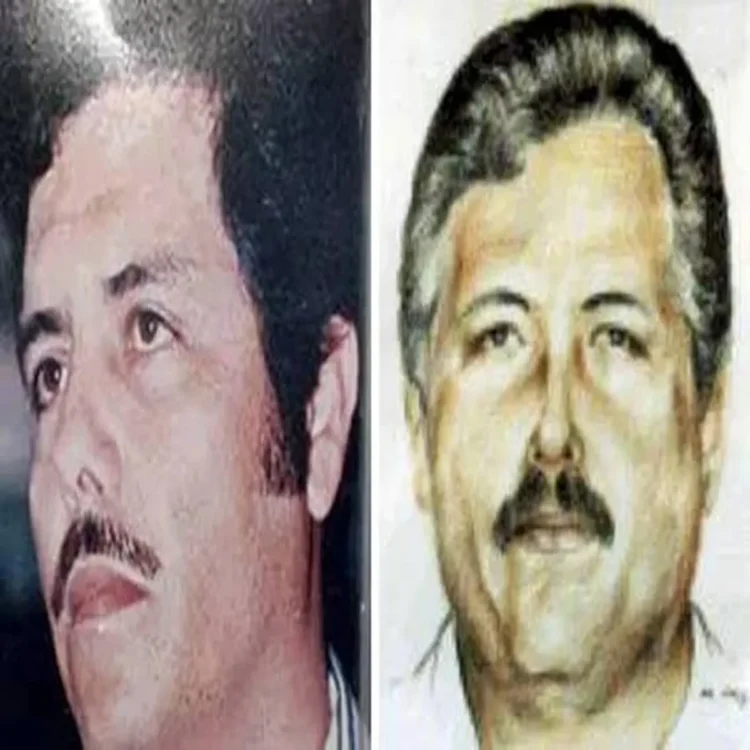
Years-Long Pursuit Ends in Federal Court
Zambada’s sentencing concludes a lengthy effort by U.S. authorities to bring the elusive cartel figure before the justice system. He was taken into custody in 2024 after arriving in Texas under disputed circumstances. According to his account, he had been abducted in Mexico, restrained, and flown across the border against his will before being arrested by U.S. officials.
For years, investigators identified Zambada as a central architect of the Sinaloa cartel alongside Joaquín “El Chapo” Guzmán. While Guzmán became widely known through high-profile escapes and public attention, prosecutors argued that Zambada quietly directed the cartel’s day-to-day operations, managed alliances, and oversaw large-scale trafficking activities.
Prosecutors Detail Extensive Criminal Operations
Federal prosecutors described Zambada as one of the most powerful drug traffickers in modern history. Court filings state that he played a leading role in moving enormous quantities of cocaine, fentanyl, methamphetamine, and other illegal drugs into the United States over several decades.
As part of his guilty plea entered in August 2025, Zambada admitted responsibility for operating a continuing criminal enterprise and participating in a racketeering conspiracy. He also acknowledged involvement in 85 underlying criminal acts connected to the organization.
During the plea hearing, he apologized through a Spanish-language interpreter to those affected by his actions after prosecutors agreed not to pursue the death penalty.
Court Reviews Prison Placement Request
The 76-year-old defendant has asked the court to recommend that he serve his sentence at a prison medical facility because of multiple age-related health conditions. His attorney, Frank Perez, argued in court documents that Zambada requires continuous medical treatment and specialized care due to his declining health.
Federal prosecutors opposed that request, emphasizing the security risks associated with a prisoner of Zambada’s profile. They argued that correctional authorities should carefully consider which institution can safely manage his incarceration. Although judges may recommend a particular facility, the final decision rests with the U.S. Bureau of Prisons.
Financial Penalties and Criminal Admissions
Alongside a life sentence, prosecutors are seeking financial penalties totaling approximately $15 billion, reflecting what they describe as proceeds generated through the cartel’s criminal activities during Zambada’s leadership.
Court records state that Zambada admitted the cartel transported at least 1.5 million kilograms of cocaine between 1980 and 2024, with much of the supply entering the United States. He also acknowledged that members of the organization established supply networks in Colombia, arranged transportation by air and sea into Mexico, and coordinated smuggling operations across the U.S.-Mexico border.
In addition, Zambada admitted that cartel representatives paid substantial bribes to public officials in Mexico to help protect the organization’s operations.
Violence Linked to Cartel Leadership
Prosecutors further alleged that Zambada ordered acts of violence to protect the cartel’s interests. Among the incidents described in court documents was the killing of his nephew, Eliseo Imperial Castro, known as “Cheyo Antrax,” after allegations that he had misappropriated cartel funds.
Authorities also linked Zambada to retaliatory attacks in 2023 following the theft of a large shipment containing fentanyl pills, methamphetamine, and cocaine. Those attacks reportedly resulted in multiple deaths.
Defense Highlights Cooperation With Authorities
Zambada’s legal team has argued that his acceptance of responsibility distinguishes his case from that of Guzmán, who was convicted after a lengthy federal trial in 2019 and is serving a life sentence at the federal Supermax prison in Florence, Colorado.
Defense attorney Frank Perez maintained that his client chose to resolve the charges through a guilty plea rather than contest them in court. He argued that placing Zambada in the same maximum-security prison as Guzmán would not adequately reflect his cooperation or his decision to admit responsibility for his crimes.