
Banking – West Bank Cash Overflow Disrupts Businesses and Financial Services
Banking – The growing accumulation of Israeli shekels inside the occupied West Bank has created an unusual financial challenge, leaving banks overwhelmed with physical cash and making it increasingly difficult for businesses and residents to complete routine transactions. Financial institutions are struggling to process deposits as limits on returning currency to Israel continue to restrict the banking system’s ability to function efficiently.
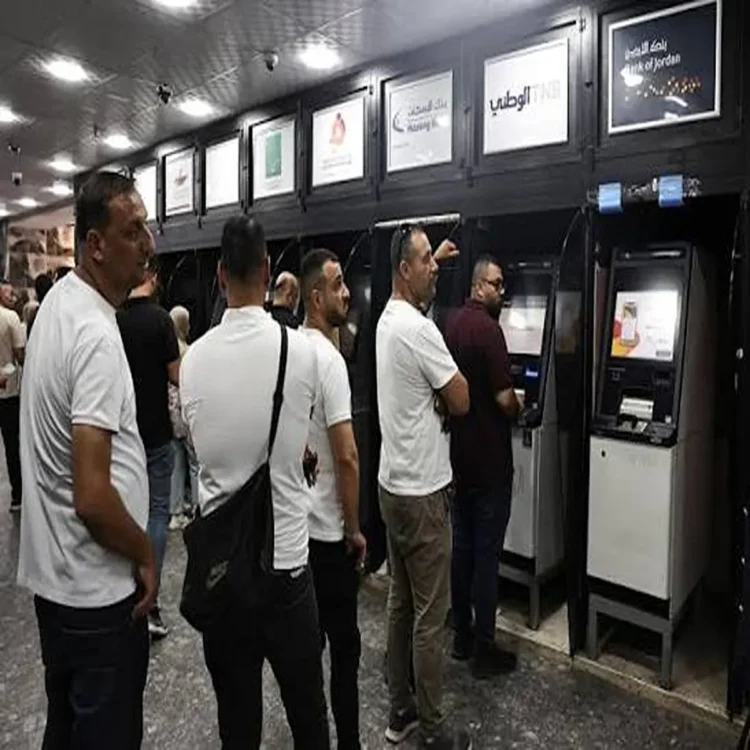
Banks Face Mounting Pressure From Excess Cash
In many parts of the world, businesses rarely encounter problems caused by having too much cash. In the West Bank, however, the situation has become increasingly complicated. Some businesses report that banks have reached their capacity to accept additional deposits, forcing customers and companies to hold onto large amounts of physical money.
The issue centers on the large volume of Israeli shekels circulating within the Palestinian economy. Because the shekel serves as the primary currency in the territory, Palestinian banks rely on the Bank of Israel to receive excess cash and convert it into electronic balances. Palestinian officials argue that the volume accepted by Israel has failed to keep pace with economic activity, resulting in a growing backlog of banknotes.
Dispute Over Currency Transfers
According to the Palestinian Monetary Authority, restrictions on cash transfers have limited banks’ ability to manage liquidity. Deputy Governor Mohammad Manasra described the situation as placing severe pressure on financial institutions, saying banks have been unable to respond effectively because their storage facilities are filling with currency that cannot be processed.
Economists note that Palestinian banks reportedly collect around 30 billion shekels annually, while Israel’s current transfer limit remains significantly lower at approximately 18 billion shekels each year. As a result, billions of shekels remain locked inside bank vaults instead of being converted into digital funds that could support lending, payments and commercial activity.
Why Cash Continues to Build Up
Several factors contribute to the growing cash surplus. Many Palestinians employed in Israel and Israeli settlements receive wages in cash. In addition, Arab citizens of Israel frequently shop in the West Bank for products such as fuel and consumer goods, bringing more shekels into the local economy.
While cash continues to enter the territory, the amount leaving through the banking system remains restricted. This imbalance has steadily increased the volume of currency stored by commercial banks, reducing their ability to finance business operations or support broader economic growth.
The Bank of Israel has stated that it follows government policy regarding the amount of cash accepted from the West Bank. Officials have also pointed out that the number of Palestinian workers employed in Israel has declined since the Gaza conflict began, affecting overall cash movement.
Economic Pressures Continue to Grow
The cash surplus has emerged alongside broader economic challenges facing the West Bank since the outbreak of the Gaza war in October 2023. Israeli authorities suspended most work permits for Palestinian laborers and withheld tax revenues collected on behalf of the Palestinian Authority, reducing government income and delaying salary payments for many public employees.
Banks are now spending additional resources to store, insure and secure large quantities of banknotes. Since much of their capital remains tied up as physical cash, financial institutions have less flexibility to process electronic payments for fuel, electricity, water and other essential imports purchased from Israeli suppliers.
Analysts also say concerns over security have encouraged more residents to deposit savings into banks, adding further pressure on already crowded vaults.
Businesses Struggle With Daily Operations
For companies that rely heavily on cash transactions, the banking bottleneck has created new financial hurdles. Businesses operating supermarkets, fuel stations, retail outlets and other cash-intensive operations say they are finding it increasingly difficult to deposit earnings.
Without the ability to convert large cash holdings into electronic funds, some businesses have reportedly taken loans or exchanged money into other currencies simply to pay suppliers. These additional steps increase operating costs and complicate routine commercial activities.
The fuel sector has been among the hardest affected. Temporary fuel station closures and a coordinated protest by several operators highlighted the growing concern that payment delays could disrupt supplies. Business leaders warn that if the situation remains unresolved, companies may face increasing difficulty importing fuel, food, medicines and other essential products needed across the West Bank.