
Nag Panchami – Ujjain’s Shri Nagchandreshwar Temple Opens Only Once a Year for Devotees
Nag Panchami – The Shri Nagchandreshwar Temple in Ujjain follows a centuries-old tradition of opening its doors to devotees only once each year on the occasion of Nag Panchami, making it one of India’s most distinctive places of worship.
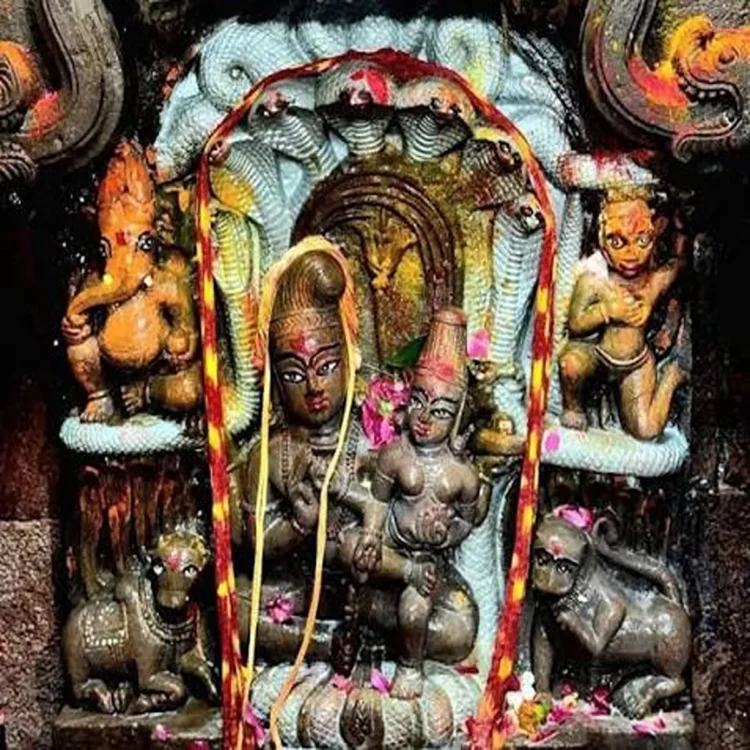
The Shri Nagchandreshwar Temple, located on the third floor of the famous Mahakaleshwar Temple in Ujjain, stands apart from other Shiva temples across India because of its rare annual tradition. Unlike temples that welcome devotees throughout the year, this sacred shrine remains closed for almost the entire year and is opened only once on Nag Panchami. Thousands of pilgrims travel from different parts of the country to witness this rare opportunity, believing that offering prayers on this auspicious day brings divine blessings and spiritual peace.
Nag Panchami 2026 Date and Temple Opening
According to the Hindu calendar, the Panchami Tithi of the Shukla Paksha during the month of Shravan will begin at 4:52 pm on 16 August 2026 and conclude at 5:00 pm on 17 August 2026. Since the Panchami Tithi will be in effect at sunrise on 17 August, Nag Panchami will be observed on Monday, 17 August 2026. In keeping with tradition, the doors of Shri Nagchandreshwar Temple will be opened for devotees on that day.
Darshan Schedule for Devotees
The temple opens immediately after the Trikaal Puja conducted around midnight before Nag Panchami. Once opened, devotees are allowed to offer prayers continuously for the next 24 hours. At the conclusion of this period, the shrine is closed again and remains inaccessible until the following year’s Nag Panchami. Those who are unable to visit during this brief window must wait another year for darshan.
A Temple with Exceptional Religious Importance
One of the temple’s most remarkable features is its ancient idol dating back to the 11th century. The sacred image portrays Lord Shiva and Goddess Parvati seated upon the serpent king, while Lord Ganesha is also present beside them. The serpent beneath them is shown with ten hoods, creating a unique representation that is rarely found in any other Shiva temple. Devotees and scholars alike regard this depiction as one of the temple’s defining characteristics.
Local religious traditions also hold that Nagraj Takshak resides within this sacred shrine, further enhancing the temple’s spiritual significance and attracting pilgrims from across the country.
Faith Linked to Kaal Sarp Dosh
Many devotees visit Shri Nagchandreshwar Temple with the belief that worship offered here can help reduce the effects of Kaal Sarp Dosh. In Hindu astrology, this dosh is associated with a particular alignment of Rahu and Ketu in a person’s horoscope. It is traditionally believed that prayers offered to Lord Shiva during Rahu Kaal are especially meaningful. Since Lord Mahakal is worshipped here alongside Adi Shakti Jagdamba upon the serpent king, many devotees consider this temple an important place for seeking divine grace and spiritual relief.
Ancient Legend Behind the Temple
The temple’s history is also connected with references found in the Skanda Purana. According to traditional belief, Nagraj Takshak performed severe penance to seek the blessings of Lord Shiva. Pleased with his unwavering devotion, Lord Shiva granted him the boon of immortality.
The legend further states that Takshak wished to remain forever in the presence of Lord Shiva in peaceful solitude. Accepting this request, Lord Shiva allowed him to reside in the sacred city of Mahakal. This belief is closely associated with the temple’s unique custom of opening its doors only once every year on Nag Panchami, preserving a tradition that continues to inspire faith among countless devotees.