
Middle East Conflict – Israeli Soldiers Killed as Southern Lebanon Fighting Continues During Rome Peace Talks
Middle East Conflict – Israel confirmed the deaths of two reserve soldiers in southern Lebanon on Thursday, marking its first military fatalities in the area in more than a month. The announcement came as Israeli forces launched new military strikes in southern Lebanon despite ongoing United States-backed negotiations in Rome aimed at reducing tensions and advancing a long-term security arrangement between Israel and Lebanon.
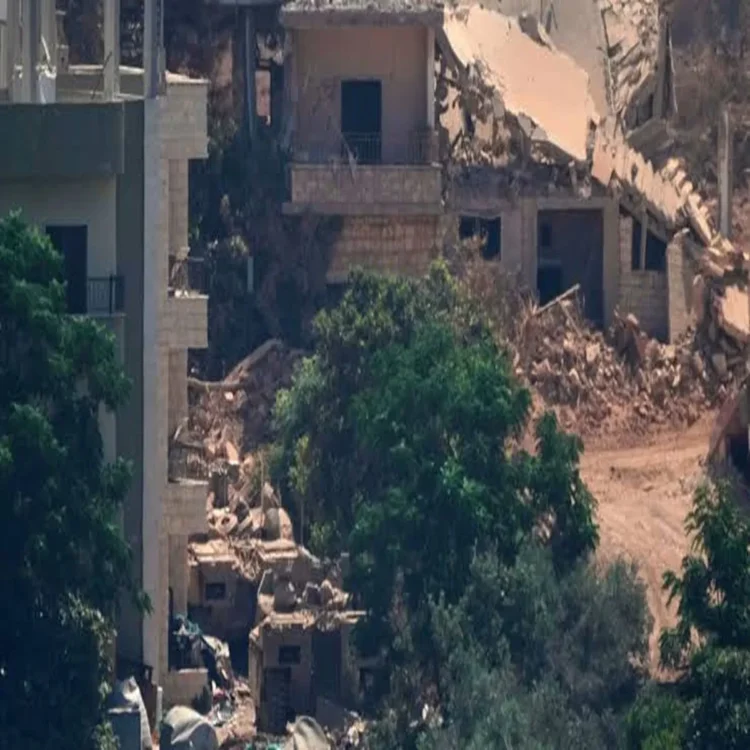
Israeli Military Reports First Fatalities in Weeks
According to the Israeli military, the two reservists were killed during combat operations on Wednesday. They were identified as Major Harel Birenstock, 34, and Sergeant Major Tamir Vaknin, 33, who served with the 2855th Battalion of the 55th Brigade. Their deaths represent the first Israeli military losses reported in southern Lebanon since June 28, highlighting the continued risks faced by forces operating along the border despite recent diplomatic efforts.
Fresh Strikes Follow Evacuation Warning
Soon after confirming the casualties, the Israel Defense Forces announced targeted military operations in southern Lebanon, saying the action was taken in response to what it described as violations of the ceasefire agreement by Hezbollah. Before the strikes began, residents of the southern Lebanese town of Mansouri received an evacuation warning, the first such notice issued in several weeks.
Lebanese state media reported that one person was killed and 11 others were injured in a separate Israeli strike carried out during the latest round of military activity.
Rome Negotiations Continue Despite Rising Tensions
The renewed violence unfolded while Israeli and Lebanese representatives continued discussions in Rome under US mediation. The talks are focused on reducing border tensions, expanding existing security arrangements, and creating conditions for a broader peace agreement.
A source familiar with the negotiations said Israel requested that one session conclude several hours earlier than planned. According to the source, the Israeli delegation cited concerns over what it called misleading information being circulated during the discussions. Despite the interruption, negotiations were expected to continue into a third and final day.
Previous Agreement Provides Framework
Earlier US-sponsored negotiations held in June produced a framework that outlined several key steps, including the gradual withdrawal of Israeli troops from southern Lebanon, the deployment of the Lebanese army into designated pilot zones, and measures addressing Hezbollah’s military presence.
The current discussions represent the seventh round of negotiations since the conflict escalated in March after Hezbollah launched rockets toward Israel in support of Iran. Israel responded with extensive air operations and a ground offensive. Lebanese authorities have stated that more than 4,300 people have been killed since the conflict began.
Displacement and Security Challenges Persist
The latest evacuation order instructed Mansouri residents to leave their homes immediately and move north for safety. The Israeli military stated that its operations were directed at Hezbollah positions following alleged ceasefire violations.
The United Nations humanitarian agency had recently reported that more than 800,000 displaced people in Lebanon had begun returning to their communities following a period of reduced violence. However, over 360,000 people remain displaced, reflecting the ongoing humanitarian impact of the conflict.
Mansouri, situated between the coastal city of Tyre and the Israeli border, has experienced repeated airstrikes and artillery fire in recent weeks. Local authorities had previously allowed residents to return while warning them to avoid areas located within the Israeli-designated security zone, where military operations continue.
Regional Diplomacy Faces Ongoing Obstacles
US officials indicated that the Rome discussions are intended to address unresolved border issues, expand the pilot zone arrangement, and work toward a broader peace and security agreement between the two neighboring countries.
At the same time, Italy’s Foreign Minister Antonio Tajani held talks with Iran’s foreign minister, urging Tehran to help reduce regional tensions by encouraging an end to Hezbollah’s military activities. Tajani expressed hope that the negotiations in Rome would produce meaningful progress.
Hezbollah leader Naim Qassem, however, rejected the direct negotiations, arguing they would not benefit Lebanon. The group has consistently opposed disarmament and continues to reject proposals requiring it to surrender its weapons.
Although violence has declined since the June ceasefire and broader diplomatic efforts involving the United States and Iran, Lebanon continues to report intermittent Israeli airstrikes, artillery shelling, controlled demolitions, and military operations in southern border communities. Since fighting intensified in March, Israel has reported the deaths of 38 soldiers and one civilian contractor during military operations linked to the conflict.