
Weather – Deadly Landslides Strike Northern Philippines After Days of Torrential Rain
Weather – Heavy rainfall triggered by a tropical depression has caused deadly landslides and widespread disruption across northern parts of the Philippines, prompting emergency response efforts and precautionary closures.
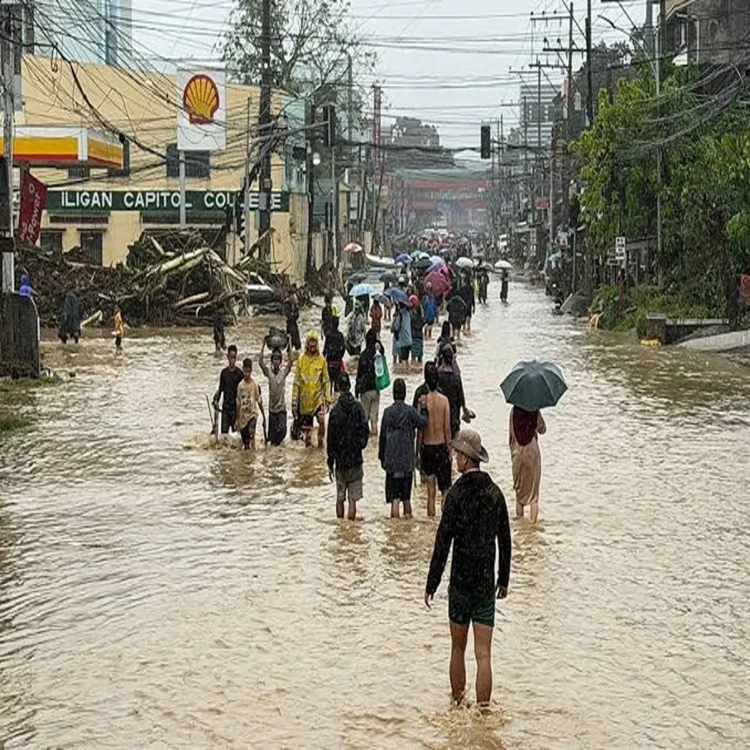
Heavy Rain Triggers Fatal Landslides Across Northern Philippines
At least four people have lost their lives after landslides struck several areas of the Philippines as persistent heavy rain continued to batter the country’s northern region. Authorities confirmed the fatalities on Thursday, while emergency teams remained on alert as unstable ground and flooding threatened more communities.
The main island of Luzon has experienced continuous rainfall for several days, with saturated soil significantly increasing the danger of landslides and flash floods. Officials have urged residents living in vulnerable locations to remain cautious as adverse weather conditions continue.
Restaurant Workers Trapped in Benguet Landslide
One of the most serious incidents occurred in Benguet province, located several hours north of Manila, where part of a hillside collapsed onto a small restaurant. According to local police, three employees working inside the kitchen were trapped beneath the debris.
Rescue personnel managed to pull one survivor from the wreckage after hours of search operations. Provincial police officials said two workers died at the scene, while the rescued individual was immediately taken for medical treatment. Emergency responders described the rescue as their highest priority and expressed hope that the survivor would recover.
Additional Deaths Reported in Rizal Province
Separate reports from the country’s national disaster management agency confirmed that another landslide in neighboring Rizal province claimed two more lives a day earlier. Local authorities continue to assess damage in affected communities as rescue and recovery operations move forward.
Disaster response teams have also been monitoring roads, residential areas, and mountain communities where continuous rainfall has weakened slopes and increased the likelihood of further ground movement.
Schools and Government Offices Remain Closed
The prolonged spell of heavy rain has disrupted normal life across large sections of northern Luzon. Government offices and educational institutions in Manila and several surrounding provinces were temporarily closed as officials sought to reduce risks for commuters, students, and public employees.
Transportation services in some locations have also been affected due to flooded roads, reduced visibility, and concerns over possible landslides along mountain routes. Authorities have advised the public to avoid unnecessary travel while weather conditions remain unstable.
Tropical Depression Continues to Influence Weather
Government weather officials said the tropical depression, previously identified as Tropical Storm Kujira before weakening, was moving toward the Philippine Sea while maintaining sustained winds of around 55 kilometers per hour.
Meteorologists warned that strong winds and periods of intense rainfall could still affect many parts of the country. They also noted that the already waterlogged ground leaves many regions especially vulnerable to additional flooding and landslides if heavy rain persists over the coming days.
Emergency agencies are continuing to monitor the storm’s movement and have encouraged residents to follow official weather advisories and evacuation instructions where necessary.
Climate Risks Continue to Challenge the Philippines
The Philippines regularly experiences severe tropical weather because of its location along the Pacific cyclone belt. On average, the country is affected by around 20 tropical storms and typhoons every year, exposing millions of people to recurring natural disasters and creating long-term economic and humanitarian challenges.
Scientists have also warned that climate change is contributing to more frequent and more intense extreme weather events worldwide. Rising temperatures are believed to increase the likelihood of prolonged heavy rainfall, stronger storms, and other climate-related hazards, placing greater pressure on disaster preparedness and emergency response systems.