
Energy Policy – Congress Questions Environmental Rationale Behind Nationwide E20 Fuel Rollout
Energy Policy – The Congress has stepped up its criticism of the Union government’s nationwide implementation of E20 petrol, arguing that any long-term clean energy strategy should carefully evaluate its impact on natural resources, particularly water availability and food security.
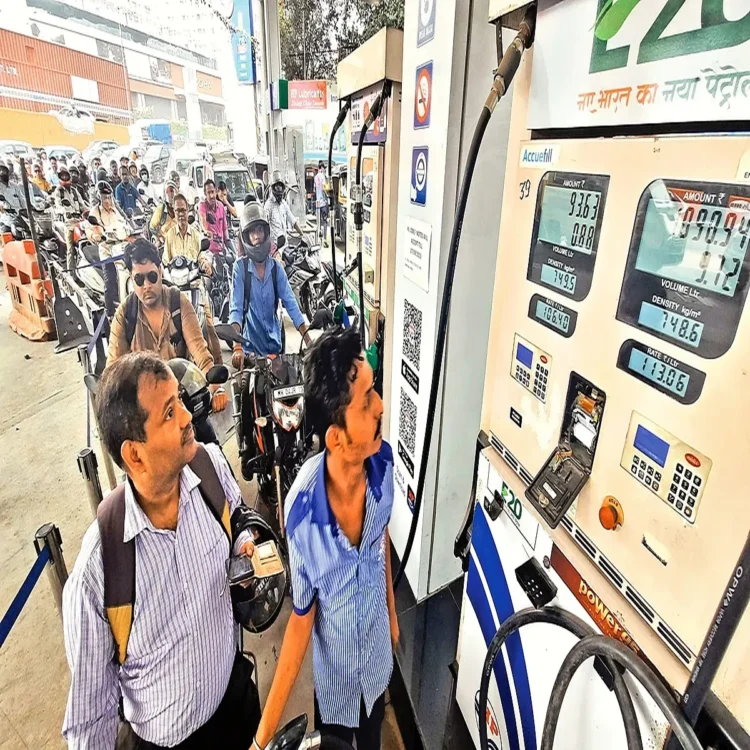
The opposition party renewed its objections on Thursday, maintaining that the government’s decision to promote E20 petrol goes beyond environmental concerns and requires a broader examination of its ecological consequences. Congress general secretary Jairam Ramesh said the Centre has consistently presented the fuel blend as an initiative to reduce pollution and lessen India’s dependence on imported crude oil. However, he asserted that the environmental costs associated with producing ethanol deserve equal attention when assessing the policy’s overall benefits.
Ethanol Production Methods Under Scrutiny
Ramesh pointed out that ethanol manufacturing practices differ significantly across countries. According to him, many nations primarily generate ethanol using agricultural waste, crop residues, and other forms of biomass that would otherwise be discarded. In contrast, he said, India’s ethanol industry relies heavily on crops such as sugarcane, rice, and maize, which are widely cultivated for food and other essential purposes.
He argued that dependence on these crops raises concerns because they require substantial quantities of water during cultivation. In his view, this aspect should be considered before describing the fuel as environmentally sustainable.
Water Consumption Raises Concerns
Highlighting estimates related to ethanol production, Ramesh stated that producing one litre of ethanol from sugarcane requires approximately 3,630 litres of water. He added that ethanol derived from rice may consume nearly 10,790 litres of water for every litre produced, while maize-based ethanol is estimated to require around 4,670 litres.
He said these figures become increasingly significant as groundwater reserves continue to decline across many regions of the country. According to the Congress leader, the pressure on water resources could become a major challenge if ethanol production continues to expand using water-intensive crops.
Reference to NITI Aayog Roadmap
Referring to the NITI Aayog’s ethanol roadmap released in 2021, Ramesh said the document had recommended gradually shifting towards more sustainable raw materials for ethanol production. He claimed the roadmap encouraged the use of alternative feedstocks that would reduce environmental stress and improve the long-term sustainability of the programme.
Despite those recommendations, he alleged that the government continues to support rice-based ethanol production. Ramesh further claimed that Parliament was recently informed that rice supplied to ethanol distilleries was being provided at nearly 40 percent below its average procurement cost, describing it as a policy decision that merits closer examination.
Congress Calls for Broader Environmental Assessment
The Congress leader maintained that evaluating any green fuel initiative should involve measuring its complete environmental footprint rather than focusing only on vehicle emissions or reduced crude oil imports. He argued that factors such as water consumption, agricultural resource use, and food security must form an integral part of policy decisions related to biofuels.
According to Ramesh, a comprehensive assessment would help determine whether the long-term environmental gains outweigh the resource demands associated with ethanol production. He reiterated the party’s position that the motivations behind the E20 programme are not driven solely by environmental considerations.
Continuing Political Debate Over E20 Petrol
The latest remarks come a day after the Congress criticised the nationwide rollout of E20 petrol, alleging that consumers have been left with fewer fuel options while also facing higher fuel expenses. The party further claimed that the policy could negatively affect certain vehicles and argued that ethanol producers have emerged as the primary beneficiaries of the initiative.
The Centre has consistently maintained that increasing ethanol blending supports cleaner energy, strengthens India’s energy security, and reduces reliance on imported fossil fuels. However, the debate over balancing environmental objectives with water conservation and agricultural priorities continues to remain a significant point of discussion.