
MiddleEastConflict – US Launches Fresh Military Strikes on Iran After Regional Tensions Rise
MiddleEastConflict –The United States carried out a fresh round of military operations against Iran on Wednesday evening after Washington accused Tehran of attempting to target American forces stationed in the Middle East. The latest action marks another significant escalation in the ongoing confrontation between the two countries, which has intensified over recent months. According to the US military, the strikes were launched as a direct response to Iran’s alleged missile activity against American personnel in the region.
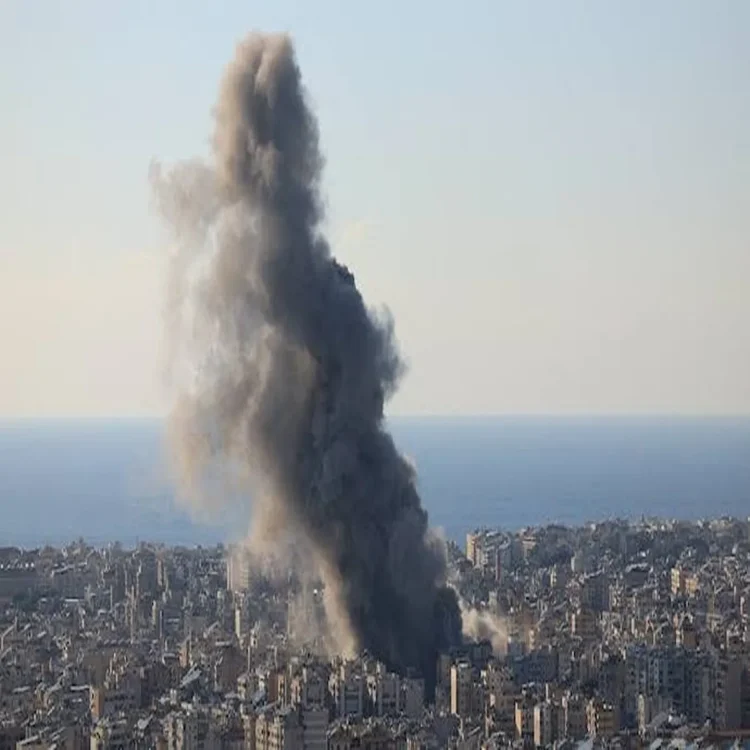
US Military Announces Operation
The US Central Command (CENTCOM) confirmed that the military operation began at 8:00 p.m. Eastern Time. In an official statement, the command described the strikes as a decisive response to what it said was Iran’s attempted attack on US forces deployed across the Middle East a day earlier. While the operation was publicly acknowledged, military officials did not immediately provide details about the number of targets involved or the specific locations that were hit inside Iran.
Response Follows Missile Incident
The latest military action came less than a day after Iran reportedly launched ballistic missiles toward US military positions in Jordan. American officials stated that the incoming missiles were successfully intercepted by air defense systems before they could inflict damage. Following that incident, President Donald Trump said the United States would respond firmly, warning that any attack on American forces would be met with a strong military reaction.
Reports Emerge From Southern Iran
Iranian state media reported multiple explosions in parts of the country’s south shortly after the US operation began. Reports mentioned activity in Hormozgan and Khuzestan provinces, with some strikes said to have occurred near oil-related facilities and islands located in the Persian Gulf. Iranian authorities also stated that residential buildings on Qeshm Island sustained damage. Emergency response teams were deployed to search through debris for anyone who might have been trapped beneath collapsed structures.
Diplomatic Pause Gives Way to Renewed Military Action
The operation effectively ended a short period during which there had been no direct American strikes against Iranian territory. The renewed military action suggests that recent diplomatic efforts aimed at easing tensions have once again been overshadowed by developments on the battlefield. The conflict has continued to evolve despite repeated international calls for restraint from all parties involved.
Iran Defends Earlier Missile Launch
Iran has maintained that its earlier missile attack was carried out in response to what it described as aggressive military actions by the United States. However, American military officials said the attempted strike against positions in Jordan failed to achieve its objective because defensive systems intercepted the missiles before they reached their intended targets. The exchange has further deepened the already strained relationship between Washington and Tehran.
Naval Pressure Continues Alongside Military Measures
In a separate update, CENTCOM said the United States continues to strengthen maritime enforcement measures targeting Iran. According to the command, American forces have maintained strict oversight of shipping activities connected to the ongoing blockade. As of July 29, officials said 20 commercial vessels had been redirected, two vessels had been disabled, and another two had been boarded as part of the enforcement effort.
Broader Strategy Remains in Focus
The latest military strikes and continued maritime operations reflect Washington’s wider strategy of combining armed action with naval and economic pressure on Iran. While military operations continue, international attention remains focused on whether the situation will escalate further or whether renewed diplomatic engagement can eventually reduce tensions across the region. The developments are expected to remain under close observation as both countries continue to respond to each other’s actions.