
Electric Vehicles – Trump Reaffirms Consumer Choice as US Auto Policy Shifts
Electric Vehicles –President Donald Trump has once again defended his administration’s approach to the American automobile industry, emphasizing that buyers should have the freedom to choose the type of vehicle they want rather than being pushed toward a specific technology.
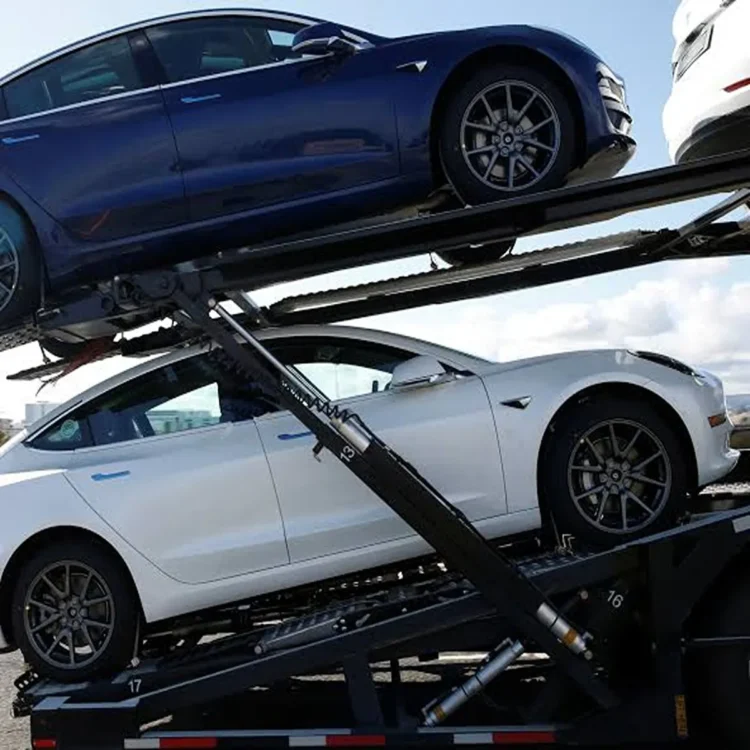
President Donald Trump used a visit to General Motors’ Milford Proving Ground in Michigan on Monday to highlight his administration’s changes to federal vehicle policies. Addressing automobile workers, he said Americans should have the option to purchase either electric vehicles or traditional gasoline-powered models based on personal preference. He argued that government policies should encourage consumer choice instead of directing the market toward one technology.
Trump Criticizes Previous EV and Fuel Standards
During his remarks, Trump strongly criticized policies introduced under former President Joe Biden, saying they placed unnecessary pressure on the domestic automobile sector. According to Trump, the previous administration’s approach to electric vehicles and fuel-efficiency regulations risked weakening manufacturers that have long relied on producing internal-combustion vehicles.
He also stated that his administration had eliminated Biden-era Corporate Average Fuel Economy (CAFE) standards, describing them as harmful to American automakers. Trump maintained that those regulations could have increased financial strain on vehicle manufacturers while limiting the future of conventional engines. He pledged that, while he remains president, policies supporting internal-combustion vehicles would continue.
Employment Concerns in the Auto Industry
Trump argued that electric vehicles generally require fewer workers during the manufacturing process than conventional vehicles. He suggested this could affect employment in states such as Michigan, where a significant number of jobs depend on automobile production.
While acknowledging that General Motors manufactures electric vehicles, Trump said consumers should still have access to a wide range of vehicle options. He also joked about making the comment in front of General Motors Chief Executive Officer Mary Barra, noting that the company continues to build both electric and gasoline-powered vehicles.
Tariffs and Domestic Manufacturing Take Center Stage
The president linked his vehicle policy changes to tariffs designed to encourage companies to expand production within the United States. Trump said imported cars and trucks are subject to a 25 percent tariff, while vehicles produced domestically avoid those additional costs.
According to Trump, these trade measures are encouraging manufacturers to increase investment in American factories. He praised General Motors for expanding production, stating that the company boosted truck and sport utility vehicle output by 20 percent in 2026 and committed approximately $9 billion over two years to strengthen manufacturing operations in the United States.
Trump said companies benefit from producing vehicles domestically because they are not subject to tariffs applied to imported models.
Tax Benefit Linked to US-Built Vehicles
In addition to tariffs, Trump highlighted a tax deduction related to interest paid on automobile loans. However, he clarified that the benefit would apply only to vehicles manufactured in the United States. He presented the measure as another step aimed at supporting domestic production and encouraging investment in American manufacturing facilities.
Broader Impact on the Global Automotive Market
The policy differences between the Trump and Biden administrations reflect contrasting approaches to the future of the automotive industry. While the Biden administration introduced stricter emissions and fuel-efficiency requirements to encourage greater adoption of electric and other low-emission vehicles, those rules did not require every new vehicle sold to be fully electric.
Changes to US vehicle policy extend beyond the country’s borders. Automakers, battery manufacturers, and component suppliers around the world closely monitor American regulations when making long-term investment decisions. Companies operating in markets such as India also consider US emissions standards, electric vehicle demand, and trade policies when planning production, supply chains, and future business strategies.