
RTE Admissions – Chhattisgarh High Court Questions Delay in School Enrollment Process
RTE Admissions –Thousands of children from economically weaker families in Chhattisgarh remain uncertain about their education as delays in the implementation of the Right to Education (RTE) admission process continue to affect the current academic session. The issue has reached the Chhattisgarh High Court, where judges have raised serious concerns over the prolonged timeline and its impact on students who are yet to begin classes months after the new session started.
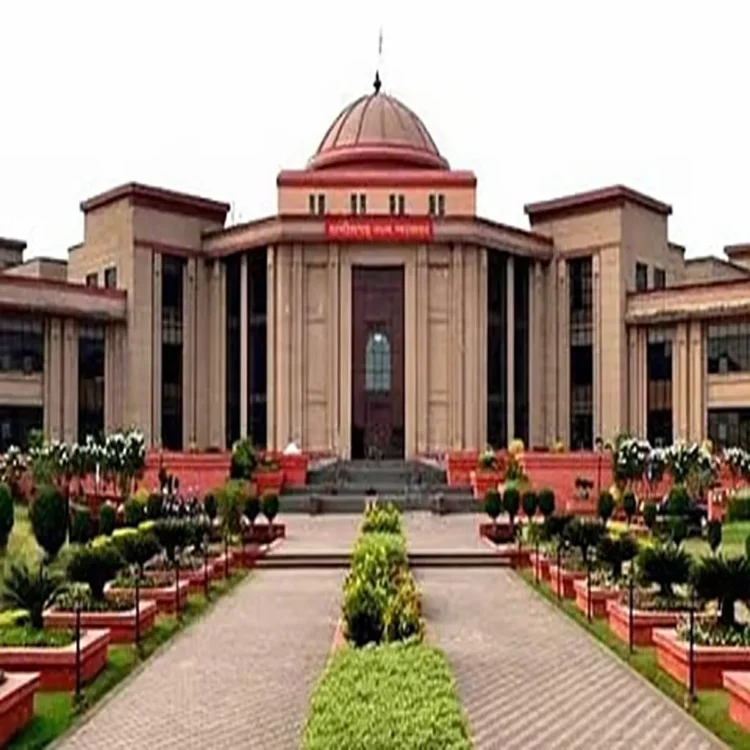
High Court Raises Questions Over Delayed Admissions
While hearing a Public Interest Litigation related to RTE admissions in private schools, the Chhattisgarh High Court sought an explanation from the state government regarding the delayed admission schedule. The court observed that the academic session commenced in April, yet many eligible children have not been admitted. It questioned how these students would complete their coursework after losing several months of classroom learning and whether the government intended to introduce any special academic support to help them recover the missed syllabus.
According to the affidavit submitted before the court, the state government informed that the admission process under the RTE Act is expected to continue until August, prompting the bench to express concern over the effect of such delays on children’s education.
Government Shares Second Phase Admission Details
The state government also presented details of the latest admission round conducted across all 33 districts. Officials stated that the second phase of the computerized lottery was held on July 6, 2026, for vacant seats available in private schools.
A total of 12,934 applications were received for 9,984 available seats. Following the lottery, 1,174 students were selected, with their admission process scheduled between July 8 and July 17, 2026. However, the figures have done little to ease concerns over the large number of children still awaiting admission.
Private Schools Blame Policy Changes
Representatives of private school managements argue that the current situation has been triggered by recent policy changes introduced by the School Education Department. Rajiv Gupta, President of the Chhattisgarh Private School Management Association, said the department’s decision to alter the definition of the “entry class” significantly disrupted the admission process.
He maintained that delays in completing admissions place children from disadvantaged backgrounds at an educational disadvantage, as they miss valuable classroom instruction during the early months of the academic year.
Gupta also pointed to a sharp decline in the number of students receiving admission through the RTE quota. According to him, nearly 80,000 students secured admission to private schools under the scheme every year in the past. This year, however, the number has reportedly dropped to around 22,000.
He claimed that the decline means nearly 60,000 eligible children have lost access to free education in private schools during the current session, creating long-term consequences for many low-income families.
Legal Challenge Still Awaiting Decision
The association further stated that it approached the Chhattisgarh High Court soon after the revised entry class policy was issued. While the petition has been admitted, a final verdict on the matter is still awaited. School operators believe that clarity from the court could help resolve the uncertainty surrounding future admissions under the RTE framework.
Reimbursement Demand Rejected
Apart from the admission dispute, private schools had also requested the state government to increase the reimbursement amount paid for students admitted under the RTE quota. The government, however, rejected the proposal through an order issued on June 10, 2026.
Officials maintained that the existing reimbursement structure is adequate and that there is no need to revise the payment rates at present. The disagreement over funding continues alongside the legal dispute over admission rules, keeping the implementation of the RTE scheme under close public and judicial scrutiny.