
Politics – Andy Burnham Set to Begin New Chapter as Britain’s Prime Minister
Politics –Andy Burnham is set to take office as the United Kingdom’s new prime minister on Monday, marking another leadership change in British politics as he succeeds Keir Starmer. The transfer of power follows Burnham’s unopposed victory in the Labour Party leadership race and comes after Starmer announced his resignation following growing political pressure and declining support within both the party and the public.
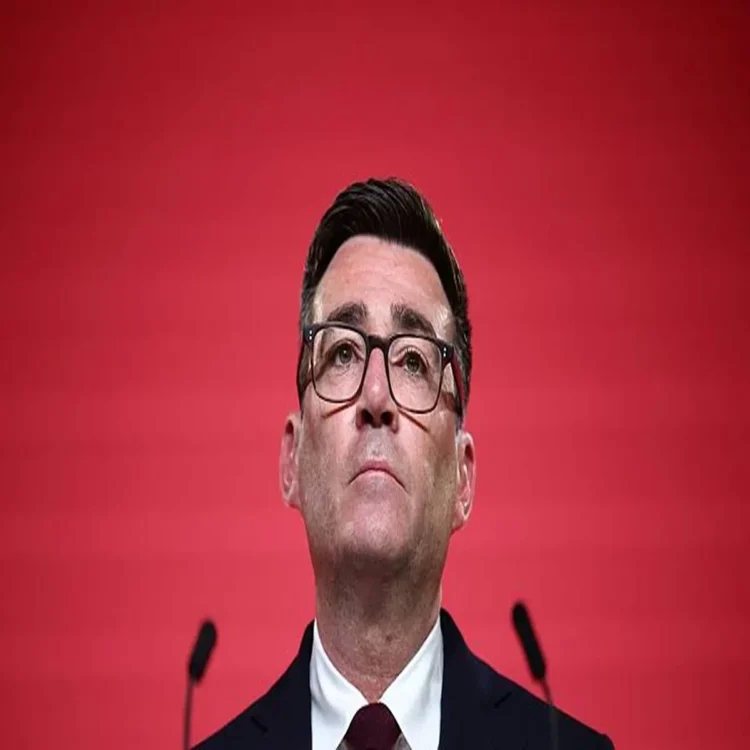
Formal Transfer of Power at Buckingham Palace
The transition will begin with Keir Starmer travelling from Downing Street to Buckingham Palace to formally submit his resignation to King Charles III. Shortly afterward, Burnham will meet the King, who will invite him to form a new government in keeping with long-established constitutional practice. The formal appointment, traditionally known as “kissing hands,” remains a ceremonial event despite the name, with no actual hand-kissing taking place.
Burnham will then return to Downing Street, where he is expected to deliver his first speech as Britain’s new prime minister, outlining his priorities and setting the tone for his administration.
Promise to Restore Political Stability
According to his team, Burnham intends to acknowledge the number of leadership changes Britain has experienced over the past decade and will stress the importance of bringing greater stability to government. The UK has seen seven prime ministers since 2016, a period marked by political uncertainty and frequent changes at the top.
His message is expected to focus on rebuilding confidence in public institutions while offering a more predictable approach to governing after years of political turbulence.
Strong Backing From Labour MPs
Burnham secured overwhelming support during the Labour leadership contest, receiving nominations from 379 of the party’s 403 Members of Parliament in the House of Commons. As the sole candidate, he was confirmed as Labour leader without a contested vote, giving him a strong mandate from within his parliamentary party.
Under Britain’s parliamentary system, a governing party can replace its leader—and therefore the prime minister—without calling a general election, provided it continues to command a majority in the House of Commons. The next nationwide election is not legally required before 2029, although Burnham has the authority to call an earlier vote if circumstances warrant.
Priorities Focused on Economy and Public Confidence
The former Mayor of Greater Manchester has pledged to reduce political division, improve living standards and rebuild public optimism. Following his election as Labour leader, Burnham said he wanted to create “a new politics” that better reflected the expectations of voters.
Political observers say that delivering meaningful economic growth will be central to achieving those goals. Analysts argue that stronger economic performance will be necessary if the government hopes to improve public services, raise incomes and meet the expectations created by Burnham’s campaign promises.
Cabinet Appointments Under Close Watch
Attention is already turning to the composition of Burnham’s first Cabinet. He is widely expected to make changes to several senior ministerial positions, including those responsible for the Treasury, foreign affairs and the Home Office.
However, Burnham has indicated that final decisions on his ministerial team have not yet been completed. The appointments will offer an early indication of his governing style and policy direction.
Starmer Reflects on His Time in Office
While preparing to leave office, Keir Starmer defended the achievements of his government during his final appearance at Prime Minister’s Questions in Parliament. He highlighted Britain’s continued backing for Ukraine, measures to strengthen workers’ rights, efforts to reduce child poverty, legislation aimed at improving public accountability following national tragedies and increased defence spending.
Burnham has praised his predecessor’s contribution, saying his government would continue building on the progress made under Starmer’s leadership while pursuing its own priorities.
Starmer, who became Labour leader in 2020 after the party’s heavy election defeat, later guided Labour to a decisive general election victory. Despite that success, political challenges during his premiership ultimately led to his decision to step aside.