
RightToBeForgotten – Delhi High Court Examines Challenge to Name Removal Verdict
RightToBeForgotten –The Delhi High Court has begun hearing a legal challenge to its recent decision that allows the removal of accused persons’ names from judicial records and online news reports in specific circumstances after they have been acquitted or discharged. During Tuesday’s proceedings, the court was told that the earlier judgment could unintentionally broaden the scope of censorship and weaken the long-standing principle of open access to judicial information.
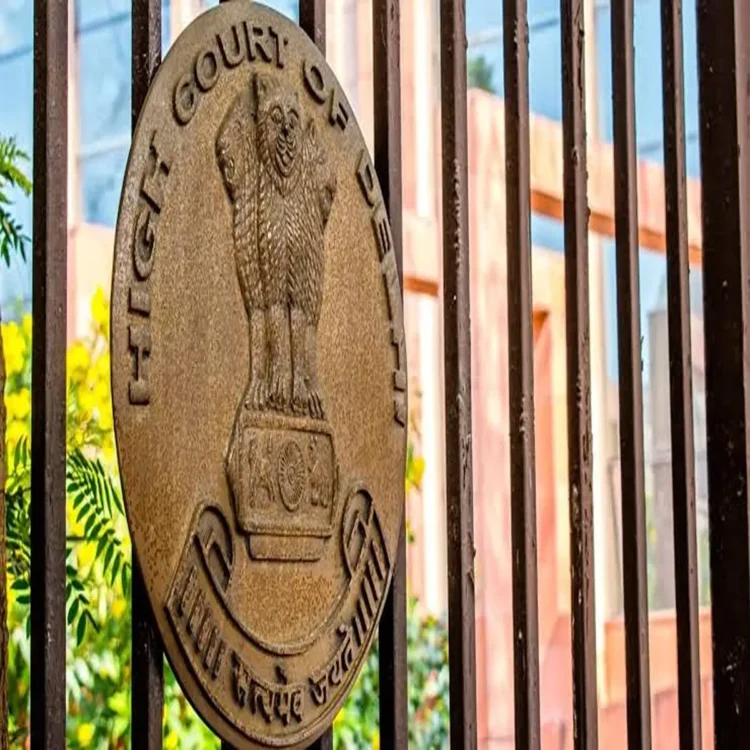
Court Hears Concerns Over Earlier Verdict
The matter came before a division bench headed by Chief Justice D. K. Upadhyaya and Justice Tejas Karia. The petition questions a judgment delivered on May 29, which formally recognised the “right to be forgotten” in limited situations and introduced guidelines for removing the names of individuals from searchable judicial records after criminal proceedings have ended in their favour. The bench has scheduled the next hearing for July 21.
Earlier Ruling Focused on Privacy Rights
The May judgment held that search engines should not continue to prominently display court records through name-based searches when the case involves private matters or has concluded with an acquittal, discharge, quashing of criminal proceedings, or a lawful settlement. The court observed that individuals who are no longer facing criminal liability should, in appropriate cases, receive protection from the lasting impact of online records that continue to appear in internet searches.
The ruling attempted to balance an individual’s privacy with public access to judicial information by creating a framework for considering requests for de-indexing under specific conditions.
Legal Platform Questions Impact on Open Justice
The latest challenge has been filed by legal research platform Indian Kanoon, which has asked the High Court to set aside directions issued by a single-judge bench requiring the platform to de-index selected judicial orders and disable name-based search results for those cases.
According to the petitioner, the directions interfere with the principle of open justice by making publicly available court records more difficult to locate. The platform argues that judicial decisions are public documents and that limiting searchable access could reduce transparency within the legal system.
Petition Raises Constitutional Issues
In its submissions before the court, Indian Kanoon argued that the earlier decision creates an uncertain and overly broad standard for de-indexing judicial records. The petition contends that such measures may restrict public access to legal information without sufficiently defined criteria.
It further claims that the ruling affects the constitutional principle of open justice and the public’s right to receive information. The petitioner has also argued that requiring a legal database to remove searchable access to court records impacts its right to carry on trade and profession under Article 19(1)(g) of the Constitution.
The petition maintains that expanding de-indexing powers in this manner could have wider implications for digital access to court records and legal research.
Freedom of Expression Also Under Discussion
Alongside concerns about transparency, another plea has challenged the aspect of the ruling that allows names of acquitted or discharged individuals to be removed from news reports in certain cases. According to the plea, an individual’s desire to erase references to past litigation should not become a basis for limiting freedom of speech and expression.
The petition argues that news reports documenting court proceedings form part of the public record and serve an important role in preserving historical accuracy. It submits that protecting privacy should be carefully balanced against the constitutional values of free expression, access to information, and public accountability.
As the High Court continues to examine these competing constitutional interests, the outcome of the case is expected to influence how Indian courts address the intersection of privacy rights, digital records, media reporting, and public access to judicial information in the years ahead.