
Irrigation – Andhra Pradesh Begins Major Upgrade of Historic Dowleswaram Barrage
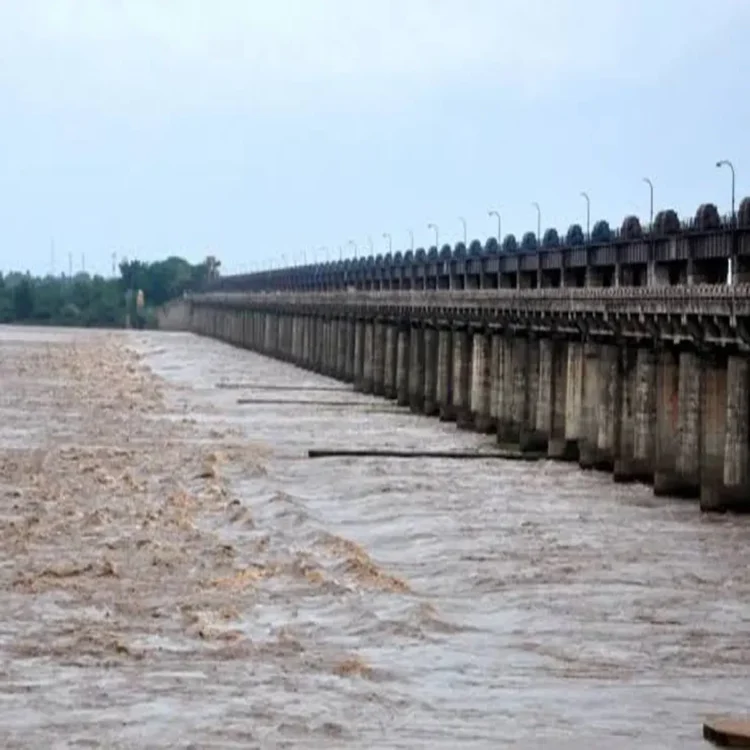
Irrigation –Andhra Pradesh has taken a significant step toward strengthening its irrigation network with the launch of a large-scale project to replace the ageing gates of the historic Sir Arthur Cotton Barrage at Dowleswaram. The initiative, valued at Rs 152.95 crore, aims to improve the long-term safety and efficiency of the Godavari delta irrigation system. The work is expected to be completed before the Godavari Pushkaralu scheduled for June 2027.
Chief Minister Launches Barrage Modernisation Project
Chief Minister N. Chandrababu Naidu inaugurated the gate replacement project on Monday by unveiling the foundation plaque and reviewing water movement at the barrage. During the inspection, irrigation department officials informed him that around 27,000 cusecs of water was currently flowing into the sea, while approximately 14,700 cusecs was being supplied through the canal network. The Chief Minister instructed officials to complete the installation of all 117 new gates within the next nine months to ensure the project remains on schedule.
Focus on Efficient Water Distribution
Naidu emphasised the importance of regular monitoring across the irrigation system so that water reaches even the tail-end agricultural lands without interruption. While interacting with farmers at Pichukalanka in Dr. B.R. Ambedkar Konaseema district, he highlighted the historic contribution of Sir Arthur Cotton in transforming the Godavari region into one of India’s most productive agricultural belts, widely recognised as the country’s Rice Bowl.
Need for Modern Infrastructure
The Chief Minister noted that the Sir Arthur Cotton Barrage continues to provide irrigation to nearly 10.13 lakh acres spread across the Eastern, Central and Western Godavari delta regions. However, he said that many of the existing gates, motors and related mechanical systems have become outdated after decades of service, making comprehensive modernisation essential for reliable water management.
Naidu also criticised the previous administration, alleging that even routine maintenance of the irrigation infrastructure had not received adequate attention. He said the present coalition government had allocated nearly Rs 24,000 crore for irrigation development over the past two years as part of its broader strategy to strengthen water resources across the state.
Update on the Polavaram Project
Speaking about the Polavaram Irrigation Project, the Chief Minister stated that physical progress has reached 89 percent. He reaffirmed the government’s commitment to providing proper rehabilitation and compensation for families affected by the project while expressing confidence that Polavaram would be dedicated to the nation before the next Godavari Pushkaralu.
According to Naidu, nearly 72 percent of the project’s work had been completed during the 2014-19 period, while progress slowed considerably in the following five years. He said construction activities have gained momentum again since the coalition government assumed office, including the reconstruction of the diaphragm wall with an investment of around Rs 990 crore.
Infrastructure and Tourism Development Plans
The Chief Minister also announced infrastructure projects worth approximately Rs 1,200 crore in and around Rajamahendravaram, including improvements to Pushkar ghats to accommodate the expected influx of pilgrims during the religious event.
In addition, he outlined several tourism and regional development initiatives. These include the proposed development of Pichukalanka and Bobbarlanka as tourism destinations, a planned railway connection to Konaseema, and the establishment of a Cocoa City at Kovvur to encourage economic growth and attract investment.
Farmers Advised to Plan for Climate Challenges
Addressing farmers, Naidu urged them to adopt scientific crop planning practices in response to changing weather patterns and the potential effects of El Niño. He said careful agricultural planning and efficient use of irrigation resources would help improve productivity while reducing risks associated with climate variability.