
Wildlife – Iran’s Endangered Species Face Growing Threats Amid Conflict and Economic Strain
Wildlife – Iran’s wildlife conservation efforts are facing increasing pressure as armed conflict, environmental challenges, and financial hardship create new obstacles for researchers and environmental organizations.
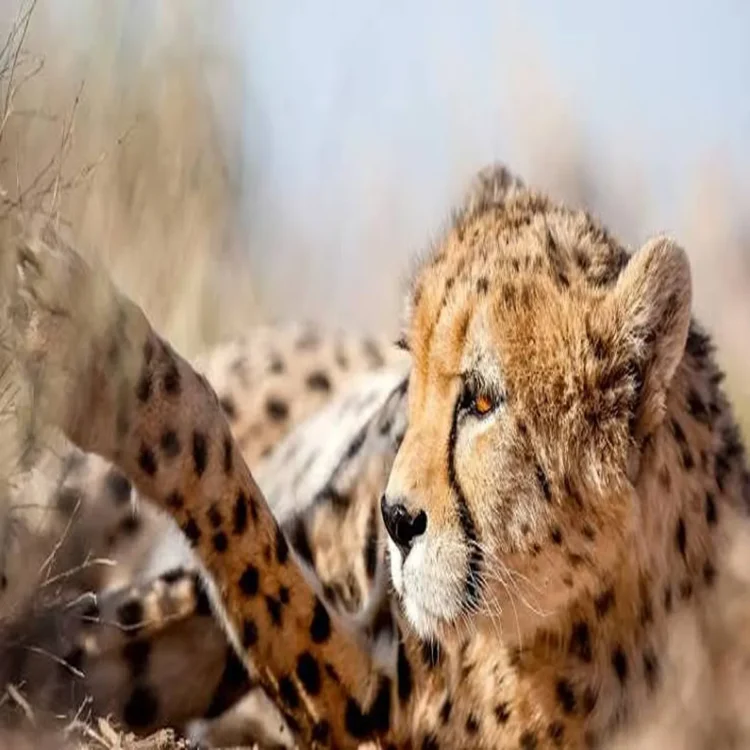
A recent period of military confrontation involving the United States, Israel, and Iran has raised fresh concerns among conservationists about the future of the country’s fragile ecosystems. Researchers fear that airstrikes carried out near environmentally sensitive regions may have disrupted breeding habitats and endangered several rare animal species already struggling to survive under difficult conditions.
Researchers Assess Impact on Falcon Habitats
Wildlife researcher and veterinarian Reza Kiamarzi recently traveled into the mountainous landscape near Isfahan to inspect nesting areas of endangered Saker and red-naped Shaheen falcons. His visit came shortly after military operations affected locations close to several military installations where these birds are known to breed.
The breeding season coincided with the conflict, prompting concerns that loud explosions, shockwaves, and repeated disturbances may have affected birds incubating eggs or caring for newly hatched chicks. Although Kiamarzi confirmed that several nests remained occupied, further evaluation is needed before determining whether the conflict caused lasting damage to the breeding population.
Conflict Adds Pressure to Existing Conservation Challenges
Environmental experts say Iran’s conservation efforts were already under significant strain before the latest hostilities. Long-term drought, climate stress, shrinking water resources, and decades of international sanctions have made wildlife protection increasingly difficult.
Iran’s diverse geography includes dense forests near the Caspian Sea, dry southern coastlines, expansive deserts, and the Zagros and Alborz mountain ranges. The country also serves as an important migration route connecting Eurasia and Africa, making its ecosystems valuable beyond national borders.
According to a 2024 report from Iran’s Environment Department, at least 86 animal species are considered at risk of extinction. These include the Asiatic cheetah, Persian leopard, Persian fallow deer, brown bear, Persian onager, great bustard, and several birds of prey.
Military Activity Raises Ecological Concerns
Wildlife specialists believe military strikes in mountainous and desert regions may have damaged habitats used by large predators and other vulnerable species. Experts warn that explosions can contaminate soil and water, destroy vegetation, and permanently alter landscapes that many animals depend upon.
Researchers also note that repeated disturbances may force species such as bears and leopards to abandon their territories, making conservation efforts even more challenging. Habitat fragmentation remains one of the biggest threats to wildlife populations already under pressure from environmental change.
Illegal Wildlife Trade Continues to Threaten Falcons
Apart from habitat loss, illegal trafficking remains a serious concern for Iran’s falcon population. The country’s weakening currency has reportedly increased incentives for smugglers who capture rare hunting birds and sell them to buyers in Gulf countries for foreign currency.
Ironically, military-restricted areas have often provided unexpected refuge for falcons because poachers rarely enter those locations. However, recent attacks targeting such facilities may now place these relatively secure nesting grounds at greater risk.
Sensitive Coastal Ecosystems Under Pressure
Environmental organizations are also worried about biodiversity hotspots in the Persian Gulf. Access to several protected islands has become increasingly difficult following the conflict, limiting conservation work and ecological monitoring.
Conservation groups have reported concerns that oil pollution may have reached Shidvar Island, an important breeding location for sea turtles and thousands of migratory seabirds. Any environmental damage in these sensitive coastal habitats could have long-term consequences for multiple species.
Community Engagement Supports Conservation Efforts
Despite mounting challenges, local organizations continue working to strengthen public awareness about wildlife protection. Isfahan-based conservation group AvayeBoom has spent several years collaborating with communities near the Arjan protected area through educational workshops and public outreach initiatives.
One of its most visible projects featured the brightly colored ruddy shelduck, using murals and community events to encourage residents to value nearby wetlands and native birdlife. Following the recent ceasefire, the organization found that awareness of local biodiversity had increased significantly, with many residents expressing stronger support for protecting natural habitats.
Economic Difficulties Create Uncertain Future
Funding has become one of the greatest challenges for environmental organizations operating in Iran. International sanctions restrict access to overseas financial assistance, while domestic supporters are facing growing economic hardship due to inflation and currency depreciation.
Conservation leaders say protecting wildlife could receive less attention if financial conditions continue to worsen. Nevertheless, many organizations remain committed to continuing research, habitat restoration, and public education despite the combined pressures of conflict, economic instability, and environmental decline.