
Panchayat Revenue – West Bengal Introduces New SOP to Strengthen Local Finances
Panchayat Revenue –The West Bengal government has introduced a detailed framework aimed at improving the financial strength of gram panchayats through better tax collection, expanded revenue sources, and stronger administrative accountability.
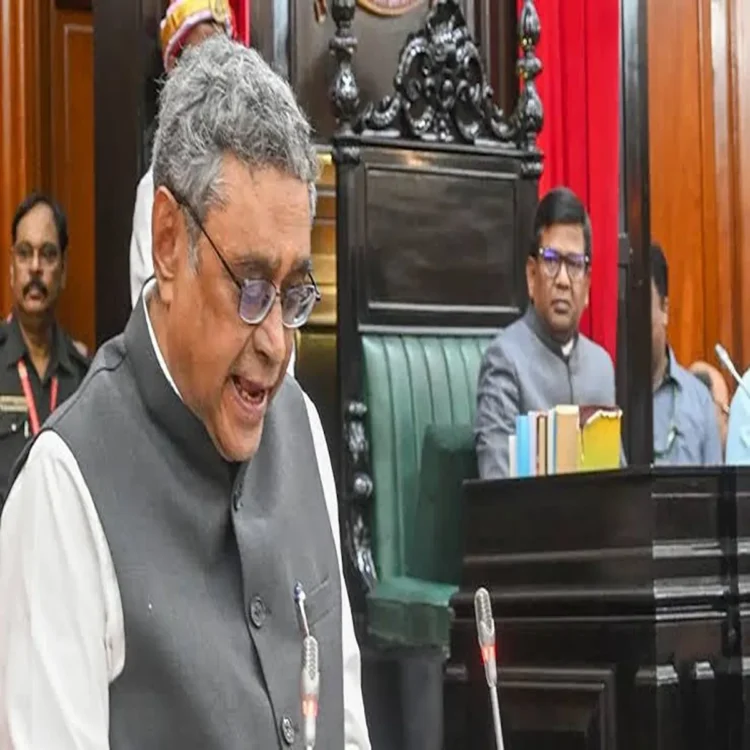
The West Bengal Panchayat Department has rolled out a new Standard Operating Procedure (SOP) designed to improve the financial independence of panchayats across the state. The initiative focuses on strengthening tax collection systems while encouraging local bodies to generate income from multiple sources. According to senior government officials, the new guidelines establish a structured process for collecting taxes, ensuring timely payments, and dealing with unpaid dues in a systematic manner. The move is also intended to enhance the long-term financial sustainability of rural local governments.
Administrative Review Highlights Key Challenges
Officials said the decision follows a departmental review conducted after the change in the state government in May this year. During the assessment, several operational shortcomings were identified in different panchayat areas. These findings were later presented to Panchayat Minister Dilip Ghosh, who has reportedly directed the department to improve governance standards and strengthen local administration.
The department observed that the functioning of several gram panchayats had been affected because many elected panchayat heads were not regularly attending their offices. Authorities believe this has slowed routine administrative work, reduced the efficiency of public service delivery, and weakened revenue collection efforts. As a result, improving financial management has become a major priority under the new SOP.
Clear Timeline for Tax Collection
Under the revised guidelines, panchayats are required to complete the tax collection process within three weeks after the payment deadline for residents. The SOP also allows offline payment options wherever digital facilities are not easily accessible, ensuring that taxpayers can complete payments without unnecessary inconvenience.
If taxes remain unpaid after the prescribed deadline, the concerned panchayat must prepare and publish a list of defaulters. Should the outstanding dues remain unsettled for another 15 days, the panchayat will hold a formal meeting to decide the next steps for recovery. The SOP further requires every panchayat to establish a fixed schedule for recovering pending taxes and continuously monitor progress until the dues are cleared.
Public Awareness and Alternative Income Sources
To improve tax compliance, the department has recommended organising multiple tax awareness and collection camps within panchayat areas. Where necessary, local Members of the Legislative Assembly (MLAs) may also participate in these initiatives. Officials believe that greater involvement of public representatives can improve awareness about tax obligations and encourage higher voluntary compliance among residents.
The department is also asking panchayats to reduce their dependence on tax revenue alone. Local bodies have been instructed to identify roads, bridges, ferry terminals, and similar public assets where toll collection could generate additional income. They have also been advised to explore advertising opportunities by allowing private organisations and individuals to install approved hoardings within panchayat limits.
Performance Grants Linked to Revenue Targets
Department sources indicated that West Bengal is expected to receive nearly Rs 2,521 crore under the 16th Finance Commission during the financial years 2028-29 to 2030-31. A significant portion of these funds is expected to be released as performance grants.
However, eligibility for these grants depends on panchayats substantially increasing their own-source revenue. At present, the average annual income generated by panchayats stands at approximately Rs 233 per household. The state government has now set a target of increasing this figure to around Rs 1,200 per household each year.
Tourism, Property Leasing and Transparency in Focus
The SOP also encourages panchayats to identify additional opportunities through tourism development, homestay projects, and the leasing of public assets. Community halls, hotels, ferry terminals, laboratories, and other immovable properties owned by panchayats could be used to generate sustainable income.
Alongside financial reforms, the department has stressed the importance of maintaining transparency by regularly informing residents about rural development projects funded through locally generated revenue. Officials believe that demonstrating how tax collections are utilised can improve public confidence and encourage greater participation in local revenue initiatives.
A panchayat official said that rural local bodies had been operating under a similar administrative system for nearly 15 years. According to the official, the new Panchayat Minister has made it clear that the government intends to modernise the functioning of panchayat offices, improve their efficiency, and ensure the effective implementation of Central government development schemes.