
Weather – North Korea Issues High Alert as Typhoon Bavi Nears With Heavy Rain Forecast
Weather – North Korea has placed emergency agencies and local authorities on high alert ahead of Typhoon Bavi, with officials warning that intense rainfall and strong winds could affect several parts of the country over the next two days. Leader Kim Jong Un called for the highest level of preparedness, urging authorities to act quickly to reduce potential damage and protect lives.
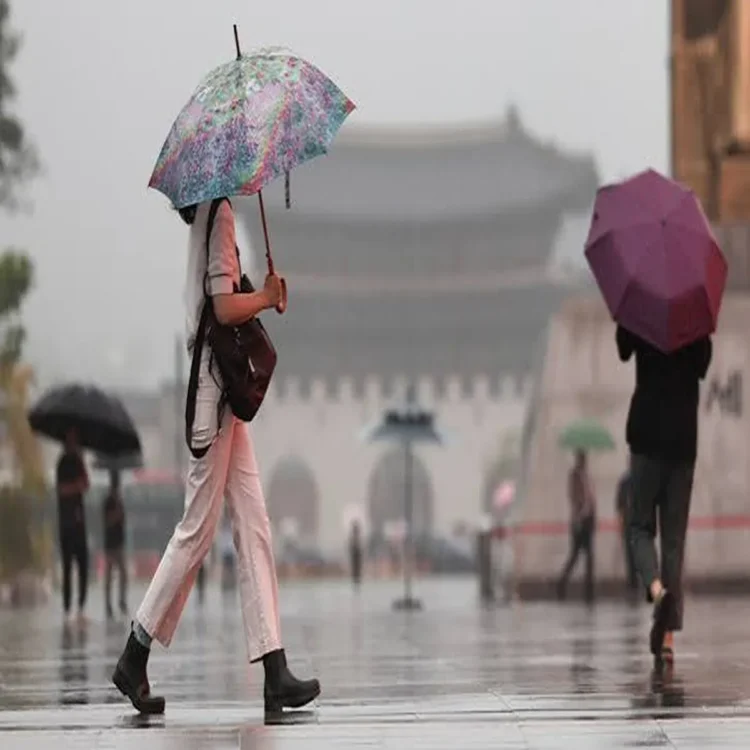
Government Calls for Maximum Preparedness
According to North Korean state media, the country’s meteorological agency has warned that Typhoon Bavi is expected to weaken into a low-pressure system before moving across the central region through the Yellow Sea between Tuesday and Wednesday. Despite losing strength, the weather system is still expected to bring widespread rain and powerful winds to many areas.
Kim Jong Un instructed government officials, emergency teams, and workers to remain fully prepared throughout the storm. He stressed the importance of taking preventive measures to limit damage to homes, farmland, transportation networks, and public infrastructure.
Heavy Rain and Strong Winds Expected
Weather forecasts indicate that northern and central parts of North Korea could receive between 80 and 120 millimetres of rainfall on Tuesday. Meteorologists also warned that some locations may experience short periods of extremely heavy rain, with rainfall rates reaching 30 to 60 millimetres per hour.
Southern regions are expected to face even higher rainfall totals of around 150 to 200 millimetres. Along the country’s western coastline and in several inland districts, wind speeds could reach between 10 and 15 metres per second, increasing the possibility of flooding, fallen trees, and transport disruptions.
Disaster Prevention Remains a Priority
North Korea has recently strengthened its disaster preparedness efforts, according to reports from the Korean Central News Agency. The country’s vulnerability to severe weather remains a major concern because of limited infrastructure, economic challenges, and an aging power network, making recovery from natural disasters more difficult.
Officials have continued to encourage local administrations to monitor weather conditions closely and respond rapidly if emergency situations develop during the passage of the storm.
Severe Weather Also Affects South Korea
The approaching weather system follows a period of heavy rainfall in South Korea, where several regions recently experienced flooding after receiving up to 200 millimetres of rain. Authorities reported evacuations in parts of Chungcheong Province as floodwaters affected residential communities and transportation routes.
Local broadcaster KBS reported that a man in his seventies was missing after being swept away by a swollen river in South Gyeongsang Province. Meanwhile, South Korea’s weather agency has forecast additional rain from Tuesday through Wednesday, with central areas and Jeolla Province expected to receive the heaviest downpours.
Climate Conditions Increase Weather Risks
Climate researchers continue to warn that rising global temperatures are contributing to more frequent and more intense extreme weather events. Scientists say human-driven climate change is increasing the likelihood of prolonged heavy rainfall, stronger storms, and extended periods of heat in many parts of the world.
Last summer became South Korea’s hottest on record, while both North Korea and South Korea experienced their warmest June. Weather experts also note that the return of El Nino, a naturally occurring Pacific climate pattern, has increased the risk of extreme heat, drought, and heavy rainfall across several Asian countries this year.
North Korea continues to face additional challenges because of long-standing electricity shortages, with many households lacking access to air conditioning during periods of extreme weather. The country also continues to recover from severe flooding that struck its northern regions in 2024, an event that highlighted the significant impact natural disasters can have on vulnerable communities.