
Citizenship – Ramdev’s Hindu Rashtra Remarks Trigger Fresh Political and Religious Debate
Citizenship – A renewed political and religious debate has emerged after Yoga Guru Ramdev defended the concept of a Hindu Rashtra during a public event, saying that it should not be viewed with fear by minority communities. His remarks have prompted criticism from several Muslim religious leaders and opposition politicians, who argue that such statements could deepen social divisions despite his appeal for shared ancestry.
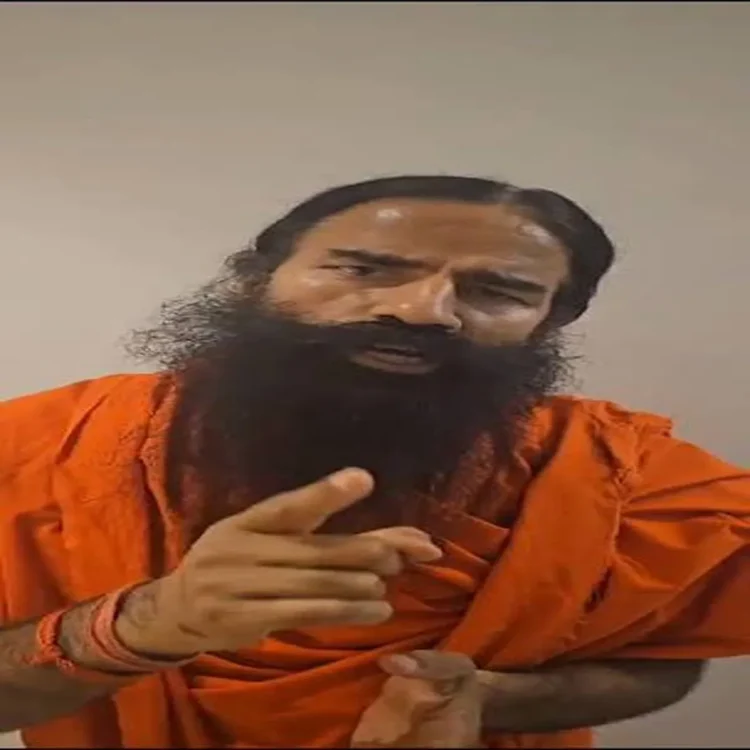
Ramdev Explains His Position
Speaking at an event over the weekend, Ramdev recalled a visit to an Islamic seminary in Deoband in 2009, where he said he had spoken about the historical roots shared by people of different faiths. According to him, religious identities may differ, but the ancestors of Indians remain the same. He maintained that minorities should not feel threatened by discussions surrounding the idea of a Hindu Rashtra.
Ramdev further stated that people belonging to different religions have common historical origins and suggested that this understanding should encourage mutual confidence rather than apprehension. His remarks quickly gained attention and sparked widespread political and religious reactions.
Muslim Religious Leaders Call for Harmony
Several Muslim clerics disagreed with Ramdev’s observations while emphasizing the need to preserve communal harmony and mutual respect.
Maulana Khalid Rasheed Firangi Mahali, a member of the All India Muslim Personal Law Board, said religious leaders carry a responsibility to strengthen social unity instead of encouraging disagreements. He stressed that people should respect personal choices and work toward promoting peace and brotherhood across communities.
Shia cleric Saif Abbas also expressed concern over the remarks, saying every citizen has the constitutional right to practice and follow their own religion. He added that India’s democratic framework guarantees religious freedom and that public figures should remain mindful of those constitutional values while addressing sensitive issues.
Yasoob Abbas of the All India Shia Personal Law Board echoed similar sentiments, urging leaders from all faiths to focus on strengthening national unity rather than highlighting religious differences.
Congress Questions the Timing of the Statement
The Congress party also reacted strongly to Ramdev’s comments. Senior Congress leader Salman Khurshid questioned why discussions around a Hindu Rashtra continue to surface if the belief is that people share the same cultural and historical roots.
He argued that if everyone is considered part of the same civilizational tradition, there should be no reason to create divisions based on religion. Khurshid said the focus should instead remain on inclusiveness and equal treatment of all communities.
Mixed Political Responses
While several opposition leaders criticized the remarks, Congress MP Akhilesh Prasad Singh offered a more measured response. He agreed with Ramdev’s observation that the people of India are not outsiders and referred to historical religious conversions that occurred over centuries, including in Kashmir. However, he stopped short of endorsing the broader political implications of the Hindu Rashtra debate.
His comments reflected a distinction between discussing historical developments and supporting present-day political narratives based on religion.
AIMIM Raises Constitutional Concerns
AIMIM spokesperson Waris Pathan also responded to Ramdev’s statement, urging him to remain within the framework of the Constitution while speaking on sensitive national issues. Pathan rejected any suggestion that Muslims were fearful and said constitutional rights remain the guiding principle for all citizens.
He maintained that discussions involving religion should respect India’s constitutional values and avoid language that could be interpreted as creating divisions within society.
Debate Continues
Ramdev’s remarks have once again brought the issue of religious identity and constitutional values into the national conversation. While supporters view his comments as an appeal to shared heritage, critics believe such statements risk increasing communal tensions. As political leaders and religious representatives continue to respond, the discussion remains focused on balancing historical perspectives with India’s commitment to religious diversity and constitutional equality.