
Iran Ceasefire – Trump Signals Tougher Stance as Mediation Efforts Intensify
Iran Ceasefire – President Donald Trump has cast fresh doubt on the future of the US-Iran ceasefire, saying he is no longer certain that a broader agreement is worth pursuing. While indicating that Washington could order further military action, Trump also maintained that any new operations would not necessarily lead to a prolonged conflict.
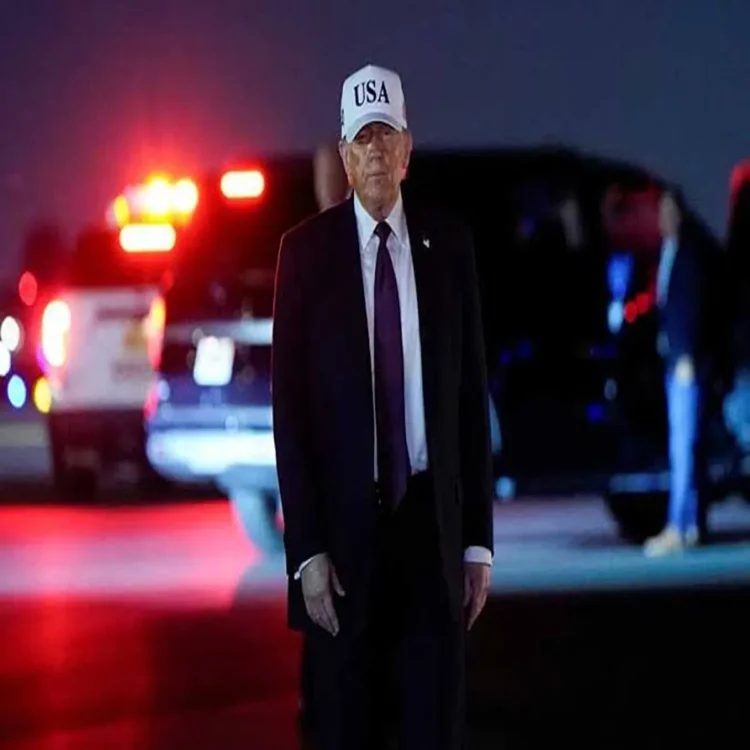
His comments followed a series of US strikes that raised new concerns about the fragile interim arrangement reached after weeks of difficult negotiations. The shifting statements from Washington have left regional officials, diplomats and energy markets watching closely for signs of whether the situation is moving toward renewed fighting or another round of talks.
US cites shipping security concerns
Trump said the United States was prepared to respond quickly if Iran continued to threaten commercial shipping in the Strait of Hormuz, a key route for global oil and natural gas supplies. Hours after his remarks on Wednesday, the US military announced additional strikes intended to reduce Iran’s ability to disrupt navigation through the waterway.
“Anything that happens is going to happen very fast,” Trump said, while adding that the United States was not seeking an extended military campaign.
US officials have accused Iran of targeting vessels in the strait and delaying negotiations over limits on its nuclear program. Washington sees those talks as central to turning the temporary ceasefire into a more durable agreement.
Regional mediators work to preserve agreement
Diplomatic efforts to prevent a wider confrontation are continuing, according to a regional intelligence official familiar with the discussions. The official said contacts among senior representatives were taking place around the clock as mistrust between Washington and Tehran deepened.
Pakistan and Qatar have been involved in the mediation process, along with Egypt’s intelligence leadership. Turkish President Recep Tayyip Erdogan and officials from Saudi Arabia are also participating in discussions aimed at keeping the ceasefire from collapsing, the official said.
Iran has disputed the US account of recent events. Tehran says Washington has failed to meet commitments linked to maritime security and has not ensured progress on a separate ceasefire arrangement in Lebanon, including an Israeli withdrawal.
Iranian Parliament Speaker Mohammad Bagher Qalibaf, described as Tehran’s lead negotiator, said the Trump administration had repeatedly broken the terms of the initial agreement. In a post on X, he said Iran would not yield to pressure.
Pakistan urges diplomacy over escalation
Pakistan, which helped facilitate the earlier ceasefire, appealed to both governments to continue engaging through diplomatic channels. Its foreign ministry said renewed hostilities would benefit no one and argued that dialogue remained the only practical route toward regional stability.
Trump’s language, however, became more forceful as he spoke about the possibility of another military response. During an appearance in Milwaukee, Vice President JD Vance said Iran had initially complied with the agreement but had later resumed attacks in the Strait of Hormuz. He said the United States would respond if commercial ships came under fire.
The administration’s public messaging has varied sharply in recent weeks. Trump had previously described Iranian officials as capable negotiating partners, while also using harsh language to criticize Tehran’s leadership.
Pressure strategy carries risks
Some analysts believe the tougher rhetoric and new strikes may be designed to strengthen Washington’s position before any renewed negotiations. Trump has often argued that military pressure can improve the US bargaining position in talks with foreign governments.
But Ali Vaez, Iran project director at the International Crisis Group, warned that the approach could become increasingly dangerous. He said the United States appeared to be raising military pressure without completely abandoning diplomacy, but cautioned that such tactics can produce consequences beyond the control of either side.
Vaez added that Iran still has an economic incentive to return to negotiations because the interim deal had offered the prospect of financial relief.
Oil prices add political pressure
The conflict has also renewed attention on fuel costs ahead of the US midterm elections. Republican hopes of keeping control of Congress could be affected if instability in the Middle East pushes oil prices higher and leaves American consumers paying more at petrol stations.
Trump has argued that preventing Iran from obtaining a nuclear weapon outweighs the economic impact of higher oil prices. He also suggested that the United States could target Iranian infrastructure or seek control of Kharg Island, a major oil production hub.
As mediation continues, the central question remains whether the latest military action is intended to force a new agreement or signals the beginning of a deeper confrontation.