
MetroExpansion – Hyderabad Metro Growth Plan Gains Momentum After Centre-State Talks
MetroExpansion – Hyderabad’s metro rail network is set to move into its next phase of development following a series of important meetings between the Telangana government and senior Union ministers in New Delhi. The discussions have laid the groundwork for advancing both the future management of the existing metro system and the proposed expansion of the network across the city.
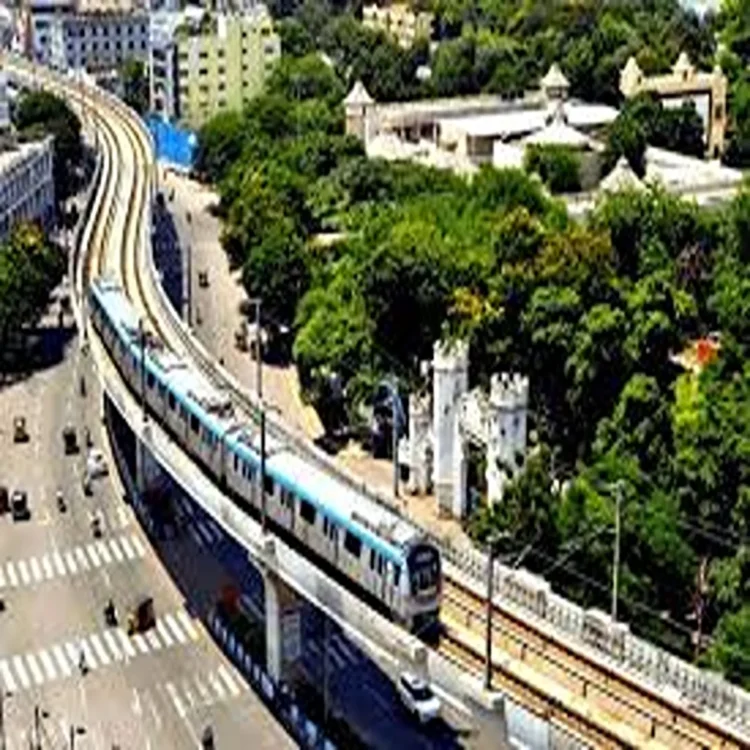
The meetings were attended by Telangana Chief Minister A. Revanth Reddy along with key members of the Union government, including officials responsible for urban development, railways, and infrastructure-related sectors. The talks focused on strengthening cooperation between the state and central governments to support Hyderabad’s growing transportation needs.
Consultant Appointed for Detailed Assessment
As part of the agreed framework, SBICAPS has been selected to serve as the official consultant for the project. The agency will carry out an extensive evaluation of Hyderabad Metro Rail Phase-I and provide recommendations that will help guide future decisions.
The consultant’s responsibilities include determining the value of the existing metro infrastructure, examining financial obligations associated with the project, and identifying suitable lending institutions if required. The study is expected to provide a clear understanding of the financial and operational aspects involved in the proposed takeover process.
Focus on Metro Expansion and Funding Models
In addition to reviewing the current metro system, SBICAPS will also assess the proposed Phase-II expansion. The study will examine possible route extensions, estimated construction expenses, and funding mechanisms that can support long-term development.
Officials believe that a detailed analysis of these factors will help create a sustainable roadmap for expanding metro connectivity in Hyderabad. The findings are expected to support future planning while ensuring financial viability and efficient project execution.
Dedicated Coordination Mechanism Established
To maintain steady progress and improve communication between stakeholders, both governments have agreed to create a formal coordination structure. Senior representatives from the Union government and Telangana’s Municipal Administration and Urban Development Department have been assigned to oversee collaboration during the study process.
The designated officials will work closely with SBICAPS to facilitate information sharing, coordinate administrative procedures, and ensure that the assessment is completed without unnecessary delays. This arrangement is intended to speed up decision-making and keep the project on schedule.
Report to Guide Future Decisions
According to officials involved in the discussions, the final course of action regarding both the existing metro network and the proposed expansion will be based on the recommendations submitted by the consultant. The report is expected to provide a comprehensive picture of project feasibility, financing requirements, and implementation strategies.
Both the Telangana government and the Centre have expressed a common objective of improving urban mobility and strengthening public transportation infrastructure in Hyderabad. The metro rail system is considered a key component of the city’s long-term growth and transportation planning.
Roadmap for Hyderabad’s Transit Future
The recent discussions have provided renewed momentum to one of Hyderabad’s most significant infrastructure projects. With a consultant now formally appointed and coordination mechanisms put in place, authorities are preparing to move ahead with the next stages of planning and evaluation.
Officials expect the collaborative approach adopted by both governments to help accelerate the process and support the timely execution of future metro development initiatives. The upcoming study will play a crucial role in shaping the city’s transit network and meeting the transportation demands of a rapidly expanding urban population.