
BorderSecurity – Satellite-Linked Drones Intensify Smuggling Threat Along Punjab Border
BorderSecurity – Pakistan-based smuggling networks are increasingly deploying sophisticated satellite-enabled drones to transport narcotics, weapons, and ammunition into Punjab, creating fresh concerns for security agencies tasked with protecting India’s border regions. Officials say the emerging trend represents a significant technological shift that is making interception efforts far more difficult than before.
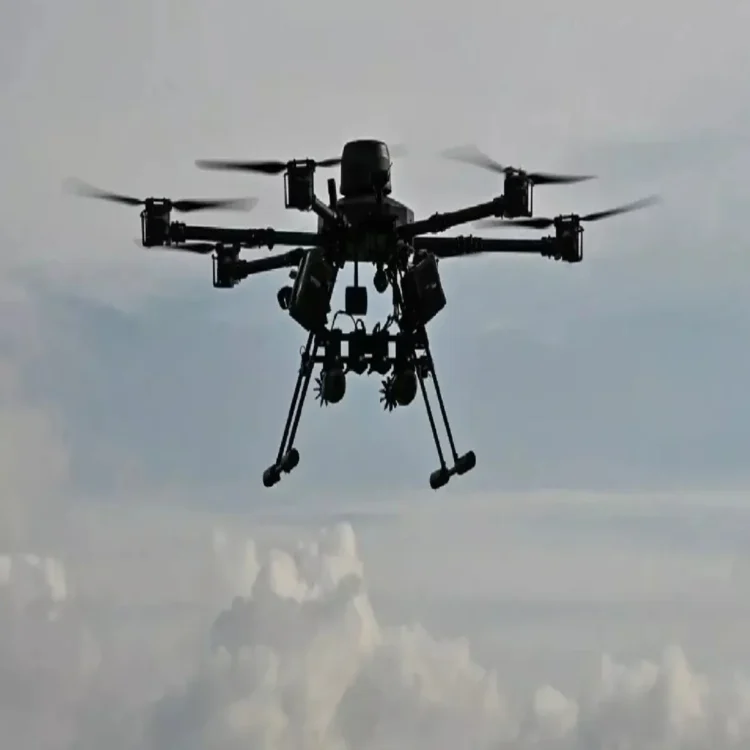
Advanced Technology Changes Smuggling Methods
According to security officials, these modern drones use satellite communication systems instead of relying solely on traditional radio signals and GPS-based navigation. This allows operators located across the border to maintain control over the aircraft over longer distances while reducing the chances of detection by conventional anti-drone equipment.
Authorities believe the growing use of satellite-linked drones reflects closer coordination between smuggling syndicates and terror-linked networks operating from Pakistan. The change comes as enforcement agencies have intensified action against older cross-border trafficking routes.
Difficult to Detect and Intercept
Officials familiar with the matter say the new-generation drones can conduct multiple flights during a single day or night. Their satellite communication capability enables real-time navigation and monitoring while helping operators avoid many of the tracking systems currently deployed along the border.
Unlike conventional drones that can often be identified through radio-frequency monitoring, satellite-connected platforms remain considerably harder to locate and disrupt. Security personnel describe this development as a major operational challenge for both the Border Security Force and Punjab Police.
Recovery of Advanced Equipment Raises Concerns
Investigators have recently recovered satellite communication devices during anti-narcotics and anti-terror operations. Security agencies say the findings indicate that smuggling groups are rapidly adopting modern technologies to bypass surveillance measures.
Once consignments are dropped at predetermined locations, local operatives allegedly retrieve them using encrypted communication applications and precise coordinates shared by handlers. Officials say this process reduces direct contact between cross-border networks and local receivers, making investigations more complex.
Major Seizure in Ferozepur
A significant breakthrough came on May 24 when Punjab Police’s counter-intelligence unit dismantled a drug trafficking network in Ferozepur district. Four suspects were arrested during the operation, and authorities recovered a satellite-enabled communication drone, approximately 28.12 kilograms of heroin, and around Rs 9.5 lakh believed to be linked to narcotics proceeds.
Security officials note that the recovery provided valuable evidence of the growing use of advanced technology in cross-border smuggling operations.
Sharp Rise in Drone-Related Recoveries
Data collected by security agencies highlights a steady increase in drone intrusions and related seizures. Between March 1 last year and June 11 this year, around 403 drones of varying capabilities were recovered.
The volume of narcotics seized through drone-linked operations has also risen dramatically over recent years. In 2021, authorities recovered only 10 kilograms of narcotics in three incidents. That figure climbed to 148 kilograms across 35 cases in 2022, followed by 103 kilograms in 28 incidents during 2023. In 2024, recoveries reached 236 kilograms through 179 cases, while drone-based seizures last year accounted for 468 kilograms of narcotics across 305 incidents.
By the first week of June this year, Punjab Police had already seized 516 kilograms of heroin, exceeding the total quantity recovered during the previous year. Authorities also confiscated 122 firearms, including a grenade, 909 rounds of ammunition, and 139 drones.
Security Agencies Strengthen Countermeasures
Intelligence officials believe profits generated through the narcotics trade continue to support terror-related activities and logistics networks operating in the region. In response, central and state agencies are upgrading surveillance systems and refining interception strategies ahead of upcoming electoral events.
Officials further reveal that smugglers are now using custom-built quadcopters capable of carrying payloads ranging from 5 to 10 kilograms. Some of these drones are reportedly designed to erase flight records and GPS data automatically if intercepted, making it difficult for investigators to trace their origins. Their higher operating altitude and low noise levels further complicate detection efforts.