
IndusTreaty – Pakistan Signals Strong Response Over Water Security Concerns
IndusTreaty – Pakistan’s Defence Minister Khawaja Asif has issued a strong warning regarding the ongoing disagreement over water-sharing arrangements with India, stating that Islamabad could consider military options if it believes the country’s access to vital water resources is placed at risk. His remarks come as tensions continue over the management of rivers governed by the Indus Waters Treaty.
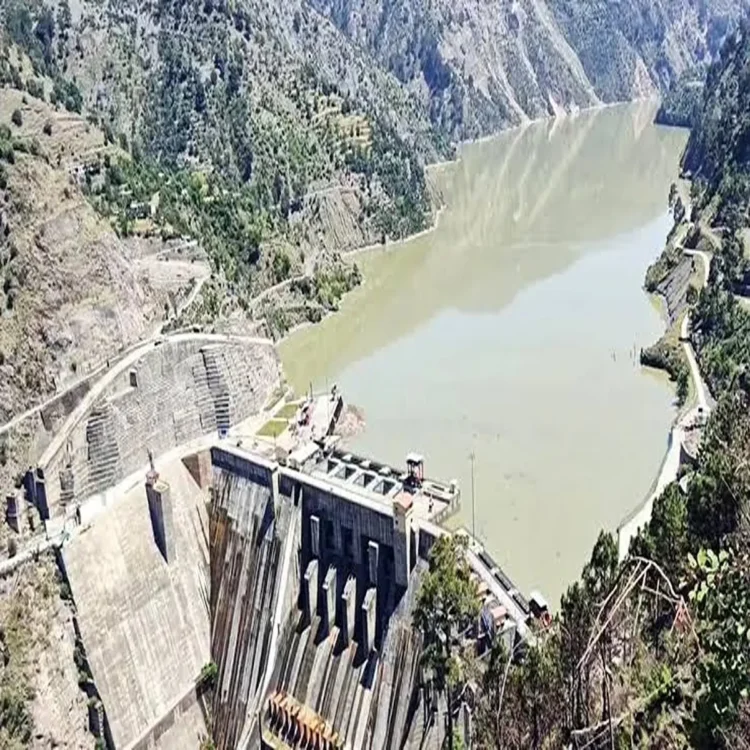
Water Security Linked to National Interests
Speaking during an interview with ARY News, Asif described water resources as a critical component of Pakistan’s national security framework. He said the government would view any perceived threat to its water supply as a matter of serious concern and would be prepared to respond accordingly.
According to the minister, Pakistan believes water availability is directly connected to the country’s long-term stability, agriculture, and economic well-being. He argued that any action affecting river flows allocated to Pakistan could lead to significant consequences for bilateral relations.
Dispute Intensifies Over River-Sharing Agreement
The latest comments arrive amid continued debate surrounding the Indus Waters Treaty, a landmark agreement signed in 1960 with mediation from the World Bank. The treaty established a framework for sharing the waters of the Indus river system between India and Pakistan and has historically been regarded as one of the most durable agreements between the two neighbours.
Under the arrangement, India exercises control over the eastern rivers — Ravi, Beas, and Sutlej — while Pakistan receives the majority of water from the western rivers, including the Indus, Jhelum, and Chenab.
India’s Position Following Pahalgam Attack
Relations between the two countries became more strained after the April 2025 terror attack in Pahalgam, Jammu and Kashmir, which claimed the lives of 26 people. Following the incident, India accused Pakistan-backed militants of involvement and announced that the Indus Waters Treaty would remain in abeyance until Islamabad takes what New Delhi describes as credible and verifiable measures against cross-border terrorism.
Indian authorities have since reiterated their intention to prioritise the use of water resources within the country. Union Jal Shakti Minister CR Patil previously stated that India would ensure its allocated share of river waters serves national requirements and emphasized that no portion of India’s entitled water should flow unused beyond its borders.
Importance of Western Rivers for Pakistan
The western rivers covered under the treaty play a vital role in Pakistan’s agricultural sector and irrigation infrastructure. Millions of people depend on these water sources for farming activities, making any discussion related to river flows highly sensitive from both economic and political perspectives.
Experts have long noted that the Indus basin forms the backbone of Pakistan’s food production system, increasing the significance of any developments connected to water-sharing arrangements.
Claims Over Information Sharing
During the interview, Asif also alleged that Pakistan had previously undertaken several inspections and reviews related to water management mechanisms. He further claimed that concerns existed regarding the sharing of information about river flows.
At the same time, the minister acknowledged that he was not fully informed about every development that may have occurred over the past year concerning the implementation and monitoring of water-related arrangements.
Islamabad Continues Opposition to Treaty Suspension
Pakistan has consistently objected to India’s decision to keep the treaty in abeyance. Officials in Islamabad argue that any interruption or reduction in water flows could have far-reaching consequences for communities and industries that rely on the Indus river system.
As diplomatic differences continue, the future of one of South Asia’s most significant water-sharing agreements remains closely watched by policymakers and regional observers.