
VascularHealth – Rising Blood Vessel Disorders Linked to Lifestyle Diseases
VascularHealth – Non-communicable diseases such as diabetes, obesity, high blood pressure, and elevated cholesterol levels are becoming increasingly widespread across different age groups. While these health conditions are commonly associated with heart-related complications, medical experts are drawing attention to another growing concern: diseases that affect the body’s network of blood vessels. Specialists warn that the increasing prevalence of lifestyle-related illnesses is contributing to a steady rise in vascular disorders, creating new public health challenges.
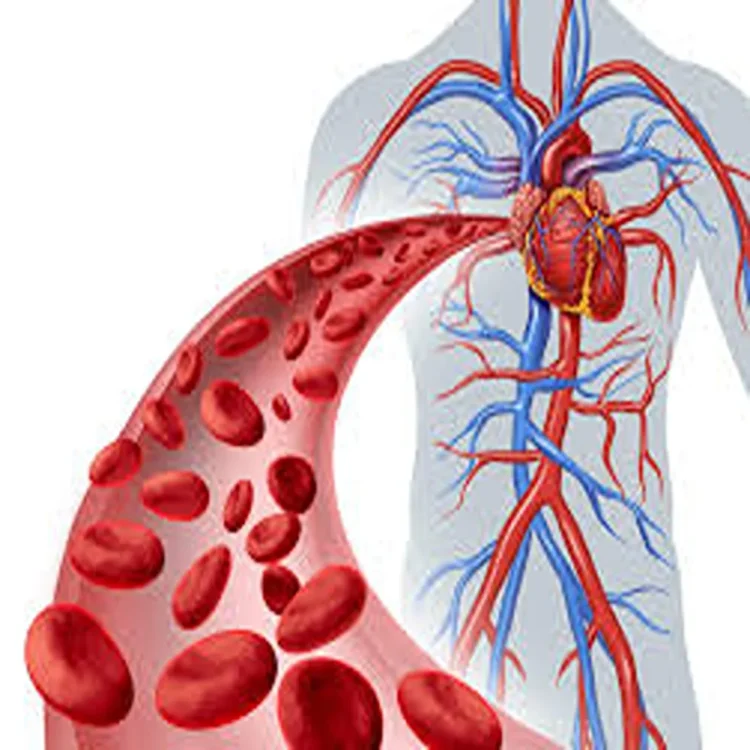
Growing Concern Among Medical Experts
Doctors report that conditions affecting arteries and veins are being diagnosed more frequently than before. According to vascular specialists, the rise appears closely connected to the growing burden of chronic illnesses that impact blood circulation and overall vascular health.
Vascular diseases develop when blood vessels become narrowed, blocked, weakened, or damaged. These conditions interfere with normal blood flow and can affect several organs and body systems. Although heart attacks and strokes are among the best-known consequences, vascular disorders may also impact the kidneys, legs, brain, and eyes, leading to serious health complications if left untreated.
Increase in Cases Observed in Recent Years
Healthcare professionals have noted a significant increase in patients seeking treatment for vascular conditions. Experts estimate that diagnoses have risen considerably over the past few years, largely due to the growing number of individuals living with diabetes, obesity, hypertension, and abnormal cholesterol levels.
Medical observations indicate that many patients between the ages of 40 and 55 who are diagnosed with vascular disease often have at least one underlying chronic health condition. This trend highlights the strong connection between lifestyle-related illnesses and damage to the body’s circulatory system.
How Chronic Diseases Affect Blood Circulation
Doctors explain that long-term exposure to high blood sugar levels and uncontrolled blood pressure can gradually damage blood vessel walls. Over time, this damage reduces the ability of blood vessels to deliver oxygen and nutrients efficiently throughout the body.
When circulation becomes restricted, important organs may not receive adequate blood supply. This can increase the risk of major complications including heart attacks, strokes, peripheral artery disease, kidney impairment, and vision-related disorders. Early detection and proper management of these conditions are considered essential to reducing long-term risks.
Symptoms Often Overlooked
One of the biggest challenges in managing vascular disease is that its warning signs are frequently ignored or mistaken for normal ageing. As a result, many people do not seek medical advice until the disease has progressed.
Common symptoms may include pain in the legs during walking, swelling in the lower limbs, numbness, ongoing fatigue, wounds that heal slowly, dizziness, and sudden changes in eyesight. Health experts stress that these signs should not be dismissed, particularly among individuals already living with diabetes or high blood pressure.
Lifestyle Choices Playing a Major Role
Medical professionals point to modern lifestyle habits as a key factor behind the increasing number of vascular disease cases. Sedentary routines, prolonged sitting, smoking, lack of regular physical activity, and diets rich in processed foods can all contribute to damage within the circulatory system.
People affected by diabetes and hypertension face an even greater risk because these conditions continuously place stress on blood vessels. Experts believe that adopting healthier daily habits can significantly reduce the likelihood of developing vascular complications.
Prevention Through Early Action
Doctors emphasize that many vascular diseases can either be prevented or effectively managed through timely intervention and lifestyle improvements. Maintaining a healthy body weight, engaging in regular exercise, controlling blood sugar and blood pressure levels, avoiding tobacco products, and following a balanced diet rich in fruits, vegetables, and whole grains are among the most effective preventive measures.
Regular health screenings and medical check-ups are also considered important for identifying early signs of vascular problems. As chronic diseases continue to increase worldwide, healthcare experts stress that awareness, prevention, and early treatment will play a crucial role in reducing the future burden of vascular disease.