
Plastic Ban – Ladakh Introduces Tough Measures to Curb Waste Pollution
Plastic Ban – The Ladakh administration has announced stringent measures against the use of single-use plastics and public littering, introducing substantial penalties to safeguard the region’s delicate environment and preserve its natural landscapes.
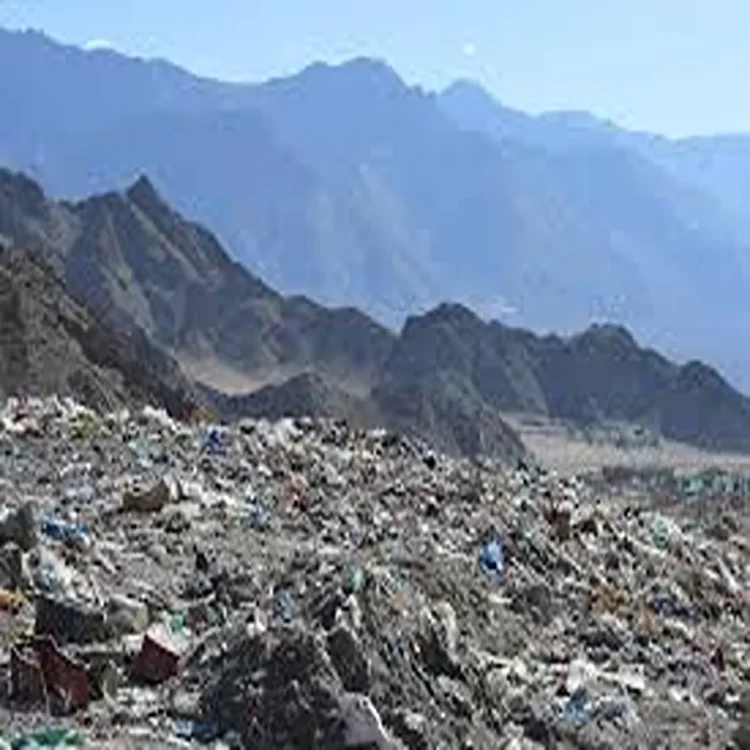
The decision was approved on Friday by Lieutenant Governor VK Saxena, who emphasized the need to protect Ladakh’s unique ecological balance amid increasing tourism and rising concerns over plastic waste. The new regulations seek to ensure that the Union Territory remains environmentally secure and visually unspoiled for future generations.
Strict Penalties for Violations
Under the newly implemented framework, individuals, businesses, hotels, restaurants, and other institutions found using, selling, storing, or distributing prohibited single-use plastic products will be liable to pay an environmental compensation fee of Rs 10,000. In addition, anyone caught littering in public areas will face a penalty of Rs 5,000.
Officials believe that strict enforcement and financial penalties will act as effective deterrents against activities that contribute to environmental degradation across the region.
Random Inspections at Entry Points
To strengthen enforcement, authorities will conduct surprise inspections at key access locations, including Leh Airport and other major entry points into Ladakh. These checks are intended to prevent banned plastic products from entering the territory and to ensure compliance among visitors and businesses.
The administration has stated that monitoring efforts will remain continuous, particularly during periods of increased tourist arrivals.
Wide Range of Plastic Products Prohibited
The approved regulations cover a broad list of identified single-use plastic items. These include disposable plastic cutlery, cups, plates, trays, drinking straws, wrapping films, plastic stirrers, thermocol decorative materials, plastic flags, and plastic banners that do not meet prescribed thickness standards.
Authorities noted that restrictions apply not only to the use of such products but also to their sale, storage, transportation, supply, and distribution.
Special Focus on Environmental Protection
According to the administration, the policy has been designed to strengthen environmental conservation efforts in a region that remains highly sensitive to pollution. Ladakh’s mountainous terrain, glaciers, wetlands, and diverse wildlife habitats face increasing pressure from non-biodegradable waste generated by growing tourist activity.
Officials highlighted that plastic litter has become a significant concern around several popular tourist destinations, affecting both the landscape and ecological health of the area.
Officials Empowered to Enforce Rules
The Lieutenant Governor has authorized designated officers to inspect commercial and residential premises, identify violations, issue challans, and recover penalties related to plastic usage and littering offences.
The enforcement mechanism also allows authorities to use various forms of evidence, including surprise inspections, photographs, video recordings, CCTV footage, and other legally admissible electronic records while initiating action against offenders.
Call for Responsible Tourism
VK Saxena said the initiative reflects Ladakh’s commitment to balancing development with environmental responsibility. He stressed that preserving the region’s natural beauty requires cooperation from residents, visitors, and businesses alike.
He urged tourists and local communities to avoid littering and contribute to maintaining the cleanliness of the region. According to him, Ladakh’s pristine surroundings represent one of its greatest assets, and protecting them is essential as the territory continues to develop as a leading tourism destination.
Growing Threat from Plastic Waste
Environmental experts and officials have repeatedly warned that plastic pollution poses a long-term challenge in fragile Himalayan ecosystems. Since most plastic materials do not decompose naturally for decades, they can contaminate soil, water sources, and air quality over extended periods.
Authorities also pointed out that improper disposal and open burning of plastic waste may release harmful substances that can affect human health, livestock, and local wildlife. The administration believes that stronger regulation and public participation are necessary to reduce these risks and ensure long-term ecological sustainability in Ladakh.