
Rail Connectivity – Jashpur Set to Join National Rail Network Through Major Project
Rail Connectivity – A long-awaited transformation is on the horizon for Jashpur district as plans move forward to connect the region with India’s railway network for the first time. The Union Ministry of Railways has officially designated the Dharamjaigarh–Pathalgaon–Lohardaga rail corridor as a special railway project, marking a significant milestone for an area that has remained outside the country’s rail map for decades.
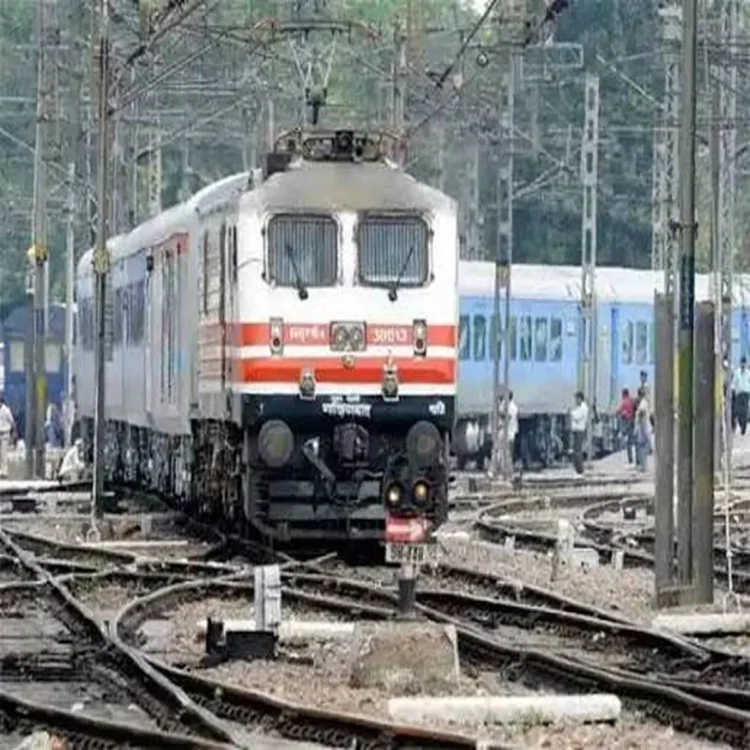
The decision is being viewed as a major infrastructure breakthrough for Jashpur, the home district of Chhattisgarh Chief Minister Vishnu Deo Sai. Residents have long demanded railway access, and the latest notification brings the project closer to reality while opening new opportunities for growth across the region.
Special Status Granted to Rail Corridor
The Ministry of Railways has issued an official notification through the Gazette of India, granting special project status to the proposed railway line. The declaration has been made under provisions of the Railways Act, 1989, citing public interest and the broader objective of strengthening national infrastructure.
The move is expected to accelerate administrative procedures and support the development of a rail link that has been under discussion for many years. Authorities believe the project will play a crucial role in improving transportation facilities across the area.
Route to Link Chhattisgarh and Jharkhand
The proposed railway corridor will cover nearly 291 kilometres. According to project details, the line will begin at Dharamjaigarh in Raigarh district, pass through Pathalgaon in Jashpur district, and continue to Lohardaga in neighbouring Jharkhand.
Once operational, the railway line will provide direct rail access to Jashpur, integrating the district with the national transportation network. Improved connectivity is expected to reduce travel difficulties for residents while enhancing access to major commercial and urban centres.
Economic and Industrial Prospects
Officials and local stakeholders anticipate that the railway project will generate substantial economic benefits. Better transport infrastructure is expected to support industrial activity, improve the movement of goods, and create favourable conditions for future investments.
Jashpur is known for its natural resources and development potential, but limited transportation options have often been cited as a barrier to faster growth. The arrival of railway connectivity could help unlock new business opportunities and strengthen regional trade networks.
Employment Opportunities Expected
Construction and future operation of the railway line are likely to create employment opportunities across multiple sectors. Thousands of jobs may emerge during different stages of the project, including construction, logistics, maintenance, and associated services.
Local communities are expected to benefit from increased economic activity generated by the large-scale infrastructure initiative. Improved access to markets and services could further contribute to livelihood growth in surrounding areas.
Tourism and Public Mobility to Receive Boost
The rail link is also expected to support tourism development in Jashpur, a region known for its natural landscapes and cultural significance. Easier transportation could encourage more visitors to explore local attractions, benefiting businesses connected to the tourism sector.
For residents, the project promises safer and more convenient travel options. Reliable rail services may reduce dependence on long road journeys and provide a cost-effective mode of transportation for passengers and freight alike.
With official recognition now in place, the Dharamjaigarh–Pathalgaon–Lohardaga railway project represents a major step toward ending Jashpur’s long-standing rail isolation and advancing the district’s social and economic progress.