
ElectionDispute – Congress Questions Rajya Sabha Nomination Rejection in Madhya Pradesh
ElectionDispute – Congress leader Meenakshi Natarajan on Friday said her party remains determined to continue its political and legal battle after the Supreme Court declined to entertain her petition challenging the rejection of her nomination for the Rajya Sabha election in Madhya Pradesh. She maintained that the issue extends beyond an individual candidate and raises broader concerns about the functioning of democratic institutions.
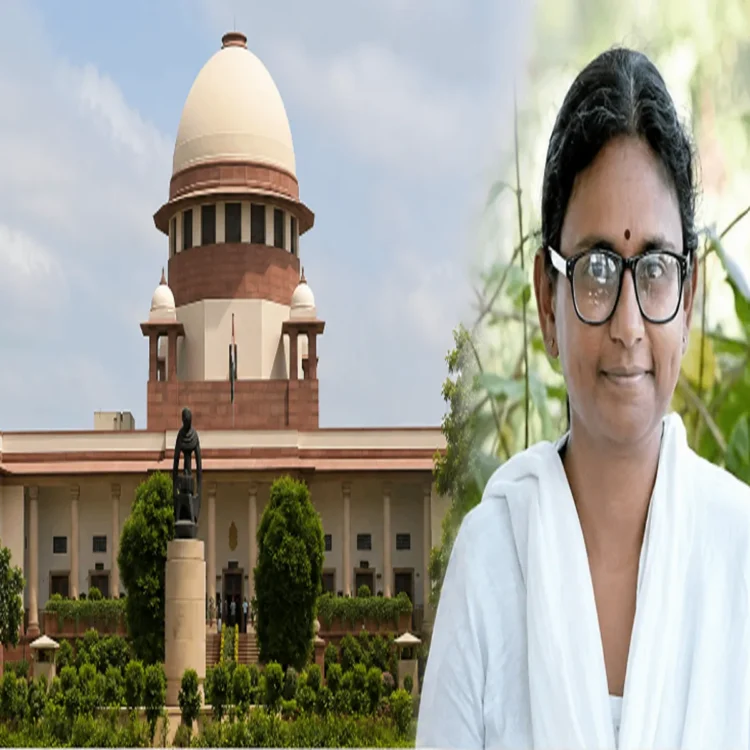
Supreme Court Declines Immediate Intervention
A bench comprising Justices Prashant Kumar Mishra and Atul S. Chandurkar dismissed Natarajan’s plea while clarifying that it had not expressed any opinion on the merits of the dispute. The court observed that interference at this stage could create a distinction between election-related matters that are not specifically provided for under constitutional provisions governing electoral disputes.
According to the bench, allowing judicial intervention in some nomination-related cases while directing others to election tribunals could lead to an interpretation not envisaged under Article 329. The judges emphasized that such a selective approach should not be encouraged within the framework of election law.
Congress Leader Raises Concerns Over Democratic Processes
Reacting to the development, Natarajan told reporters that her concerns are centered on what she described as repeated setbacks to democratic values. She stated that the matter should not be viewed as a personal loss but as part of a larger debate about the integrity of electoral procedures.
The Congress leader asserted that her party remains united and prepared to pursue all available options. She alleged that the Rajya Sabha seat had effectively been taken away through an unfair process, claiming that the circumstances surrounding the nomination rejection were evident to the public.
Party to Decide Future Course of Action
When asked whether she would move another court, Natarajan said the decision would rest with the Congress leadership. She noted that she had contested as the party’s official candidate and would abide by whatever strategy the organization chooses moving forward.
She also indicated that apart from legal avenues, the party could take its case directly to the public. According to her, political engagement and public outreach remain important methods for highlighting issues related to electoral fairness.
Questions Raised Over Election Handling
Commenting on the Supreme Court’s decision, Natarajan said she would study the detailed order before making a comprehensive assessment. She noted that her understanding was that the court had pointed toward the availability of an election petition as a possible remedy.
The senior Congress leader further alleged that members of her party who sought to meet President Droupadi Murmu were unable to do so. She also criticized the role of the Election Commission, alleging that it had failed to act independently in the matter.
Background of the Dispute
The Congress had fielded Natarajan as its sole candidate for the Rajya Sabha election scheduled for June 18 from Madhya Pradesh. However, her nomination papers were rejected by the returning officer earlier this week.
The rejection was based on allegations that information regarding a court complaint filed against her in Telangana was not disclosed in Form 26 submitted with the nomination documents. Following the rejection, the electoral process moved forward without a contest.
On Thursday, three candidates from the Bharatiya Janata Party—Tarun Chugh, Rajneesh Agarwal and Mahesh Kewat—were declared elected unopposed from Madhya Pradesh, bringing the controversy surrounding the Congress nomination to the forefront of political debate.