
LPG Prices – Government Defends Cooking Gas Hike Amid Global Supply Challenges
LPG Prices – The Central Government has acknowledged public concerns over the latest increase in domestic cooking gas prices, stating that the decision was driven by extraordinary international circumstances affecting energy markets worldwide.
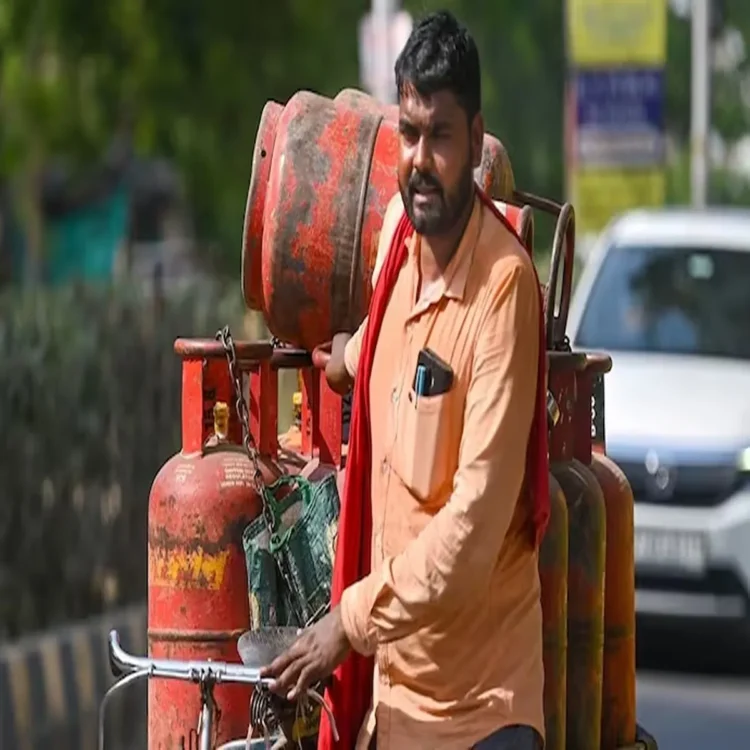
Speaking to reporters on Sunday, Union Minister Pralhad Joshi said the government understands the burden that higher LPG costs place on households. However, he emphasized that the rise in prices was unavoidable due to disruptions in global fuel supply chains and escalating import expenses.
Minister Highlights Global Energy Pressures
According to Joshi, several regions across the world are facing significant economic and logistical challenges that have directly affected the availability of liquefied petroleum gas. He noted that LPG supplies are currently being sourced from a limited number of international markets, making procurement more difficult than usual.
The minister explained that transportation routes have become more complicated, while shipping operations continue to face delays and higher operational costs. These factors have added substantial pressure to the overall cost of importing cooking gas into India.
Increase Marks Second Revision in Recent Months
The latest revision has raised the price of a domestic LPG cylinder by Rs 29. It is the second increase within a three-month period, following an earlier hike of Rs 60 announced in March.
The previous revision came after geopolitical tensions in West Asia disrupted energy supplies and triggered a sharp rise in fuel prices across global markets. Since then, international energy costs have remained elevated, affecting countries that depend heavily on imports.
Rising Import Costs Affect Domestic Pricing
Government officials stated that India continues to purchase LPG from overseas suppliers located far from the country. As a result, transportation expenses have increased considerably. In addition to freight charges, insurance costs have also risen due to extended shipping durations and heightened risks associated with global trade routes.
Joshi said the government remains concerned about the impact on ordinary consumers and is actively working to diversify sourcing options. Efforts are underway to secure supplies from multiple regions to reduce pressure on domestic markets and ensure uninterrupted availability.
Oil Companies Face Financial Strain
Industry estimates indicate that state-owned oil marketing companies had been incurring substantial losses on every domestic LPG cylinder sold before the latest price adjustment. The growing gap between international purchase costs and domestic selling prices created financial pressure on fuel retailers.
Officials believe that the revised pricing structure is necessary to partially offset these losses while maintaining a stable supply network for consumers across the country.
Government Cites International Market Trends
In an official statement, the government said Indian households continue to pay comparatively lower cooking gas prices than many countries despite the recent increase. Authorities pointed to the sharp escalation in international LPG rates following the outbreak of conflict in West Asia.
The cost of supplying a domestic LPG cylinder has reportedly crossed Rs 1,600 due to the surge in global energy prices. Officials noted that India’s LPG imports are linked to the Saudi Contract Price, a widely used international benchmark for the fuel.
Gulf Supply Disruptions Push Prices Higher
Government data indicates that the Saudi benchmark price for LPG has increased significantly since February. Supply disruptions associated with the Strait of Hormuz, a key global energy transit route, have tightened fuel availability from Gulf producers and contributed to higher international prices.
As global uncertainty continues, policymakers say they will monitor developments closely while balancing consumer interests with the need to maintain a reliable energy supply system for the country.