
TradeTariffs – US Proposes New Import Duties Over Forced Labour Concerns
TradeTariffs – The United States has unveiled a proposal to impose new import duties on dozens of economies, arguing that recent investigations found products entering international markets were linked to forced labour practices. The announcement, made by the Office of the United States Trade Representative (USTR), outlines additional tariffs that could affect a wide range of trading partners, including India and several major global economies.
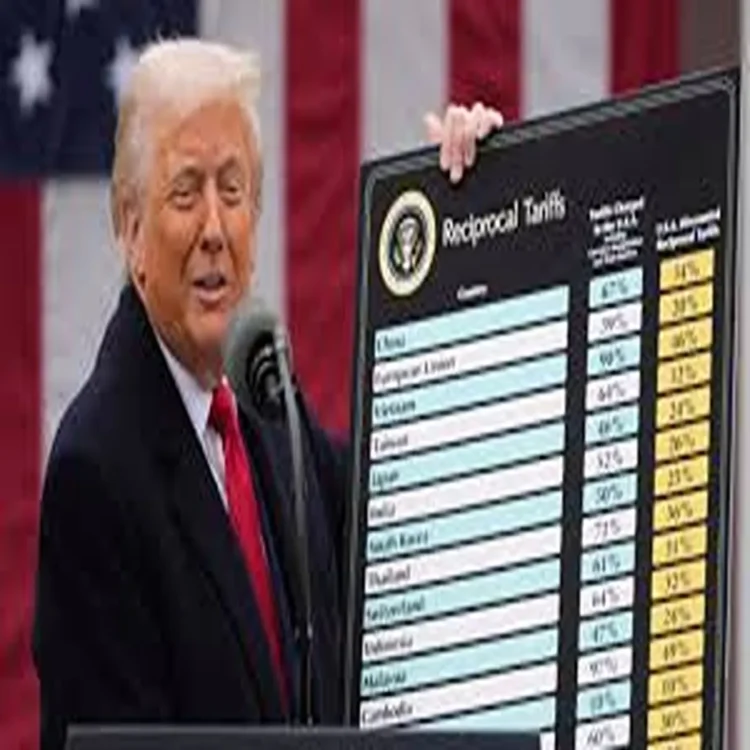
Proposed Tariffs Target Multiple Economies
According to the USTR, the proposed measures would apply to around 60 economies that were reviewed under investigations conducted under Section 301 of the Trade Act of 1974. US authorities stated that the investigations examined whether countries had adequate systems in place to restrict imports of goods produced through forced labour.
The agency identified 54 economies that it believes have not sufficiently established or enforced restrictions on such imports. Among those named were India, China, Australia, Japan, Israel, Qatar, Russia, Saudi Arabia, Singapore, South Korea, Sri Lanka, Switzerland, Taiwan, Thailand, Turkiye, the United Arab Emirates, and the United Kingdom.
Different Duty Rates Proposed
The proposal introduces two separate tariff levels. Economies that already maintain some form of prohibition on imports linked to forced labour, or have committed to implementing such measures through trade agreements, could face an additional 10 percent duty.
Meanwhile, economies that do not have similar measures in place may be subject to a higher additional tariff of 12.5 percent. The USTR said the proposed rates were designed to encourage stronger action against products associated with forced labour practices.
Textile Imports Included in New Framework
The proposal also contains a provision related to apparel and textile products. Under the suggested mechanism, a specified volume of textile and clothing imports from selected economies could enter the United States under a lower tariff rate compared with standard Section 301 duties.
Officials said the approach is intended to balance enforcement measures with the continued flow of certain trade categories that are important to businesses and consumers.
Public Feedback Invited
US trade authorities have opened the proposal for public review and comments before any final decision is made. The agency stated that stakeholders, businesses, and interested parties would have an opportunity to provide input regarding the suggested tariff structure and its potential impact.
The move follows the conclusion of investigations that, according to the USTR, found deficiencies in how several economies address imports associated with forced labour.
Concerns Raised by US Officials
US Trade Representative Ambassador Jamieson Greer said the inability of major trading partners to effectively tackle imports connected to forced labour creates challenges for American businesses and workers.
He argued that such conditions can place US industries at a competitive disadvantage, as companies operating under stricter labour standards may face competition from products produced under lower-cost conditions linked to labour abuses.
Impact on India-US Trade Discussions
The announcement comes as India and the United States continue negotiations aimed at advancing a broader Bilateral Trade Agreement (BTA). Trade officials from both countries are currently engaged in discussions covering market access, customs procedures, investment promotion, trade facilitation, and economic cooperation.
Sources familiar with the talks indicated that relief from Section 301-related trade measures is expected to be among the issues raised during negotiations with the visiting US delegation.
The current round of discussions is being led by US Chief Negotiator Brendan Lynch and India’s Additional Secretary Darpan Jain. Officials are working to finalise elements of an interim trade arrangement while also progressing discussions on the wider bilateral framework that both sides hope will strengthen economic ties and expand commercial opportunities.