
CancerDetection – Bengaluru Startup Uses Dogs and AI to Advance Early Cancer Screening
CancerDetection – A Bengaluru-based health technology startup is exploring a novel approach to cancer detection by combining the highly developed sense of smell in trained dogs with artificial intelligence-driven analysis. The initiative aims to make cancer screening more affordable, accessible, and efficient by identifying potential signs of the disease through human breath samples.
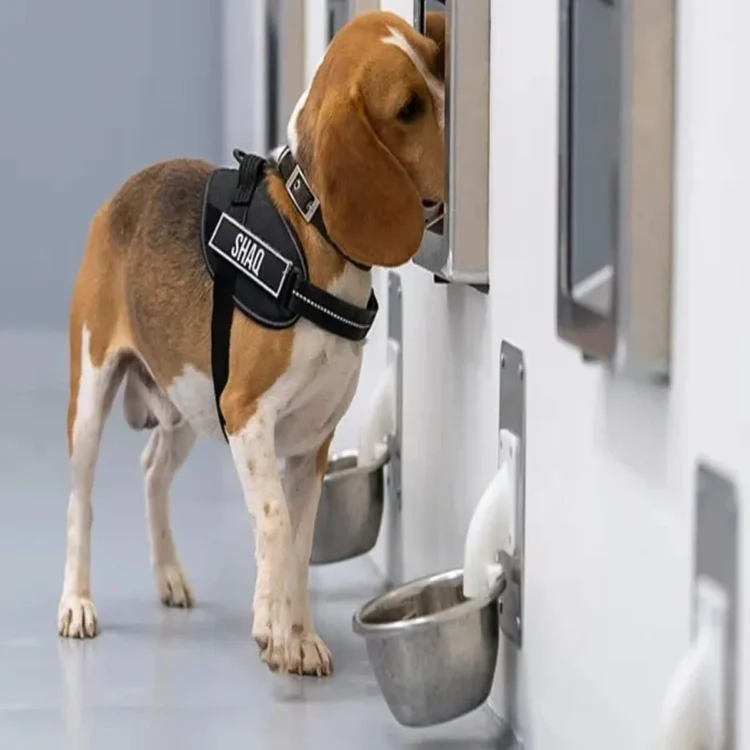
Medical experts involved in the project say the method has produced encouraging outcomes during its initial stages, raising hopes for a practical screening tool that could support earlier diagnosis and treatment.
Early Trials Show Encouraging Results
The company, Dognosis, has developed a system that focuses on detecting specific chemical markers present in a person’s breath. These markers, known as volatile organic compounds (VOCs), can undergo changes when certain diseases, including cancer, develop in the body.
According to oncologist Dr. Swaratika Majumdar, who has been associated with the initiative for about a year, the concept offers a potentially simple and cost-effective pathway for identifying cancer at an earlier stage.
She noted that preliminary findings indicate a sensitivity and specificity rate of nearly 90 percent, suggesting that the trained dogs are capable of correctly identifying a large majority of cancer-related samples presented during testing.
How the Detection Process Works
The screening procedure begins when participants provide breath samples using specially designed masks. These masks are engineered to capture VOCs present in exhaled air.
Once collected, the samples are transferred to a laboratory environment where trained dogs evaluate them under carefully controlled conditions. The testing setup includes monitoring equipment and sensors designed to record the animals’ responses with precision.
Akash Kulgod, Chief Executive Officer of Dognosis, explained that the dogs undergo extensive training to recognize scent patterns linked to disease-related compounds. By identifying these distinct odor signatures, the animals help flag samples that may indicate the presence of cancer.
Artificial Intelligence Adds Scientific Validation
While dogs play a central role in recognizing scent patterns, artificial intelligence is used to convert their responses into measurable scientific data.
The company’s research team records behavioral signals from the dogs through specialized sensors. These observations are then processed using machine learning algorithms, helping researchers standardize the evaluation process and reduce subjectivity.
Suba, who leads the research and development division at Dognosis, said maintaining consistency throughout testing is critical. Every sample is presented under identical conditions, ensuring that the responses can be accurately measured and compared.
The collected information is then analyzed by AI systems that transform behavioral observations into structured data, creating a more reliable framework for disease detection.
Large-Scale Study Reports Strong Accuracy
Dognosis reports that its Phase-2 study, conducted over a two-year period and involving approximately 1,500 participants, achieved an overall accuracy rate close to 90 percent.
Team members believe the findings demonstrate the potential of breath-based screening as a non-invasive tool for identifying cancer at an earlier stage. They also view the project as an example of how homegrown technological innovation can contribute to global healthcare challenges.
International Expertise Supports the Program
To strengthen its training program, the startup has collaborated with experienced international dog trainers.
One of the trainers involved, Edo, described the initiative as a rare and highly specialized application of canine detection capabilities. He said the project stands out for its combination of biological sensing and advanced technology, adding that such work has the potential to gain international attention.
Potential Impact on Cancer Care
India records a significant number of new cancer cases every year, and many patients receive a diagnosis only after the disease has progressed. Healthcare professionals believe that technologies focused on earlier detection could play an important role in improving patient outcomes.
Experts suggest that integrating biological detection methods with artificial intelligence may help create faster and more accessible screening solutions in the years ahead, supporting earlier intervention and potentially improving survival rates for many patients.