
NATO – Alliance Reaffirms Support for Romania After Border Drone Incident
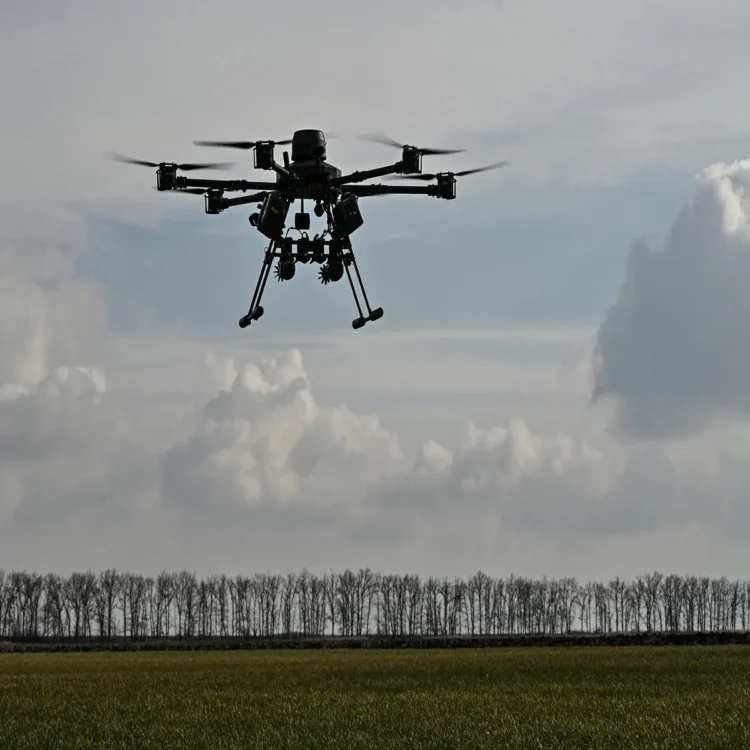
NATO – NATO has reiterated its commitment to protecting member states after a drone crash in Romania left two people injured, raising fresh concerns about the regional impact of the ongoing conflict in Ukraine. The incident occurred near Romania’s border with Ukraine and prompted a strong response from alliance leaders, who stressed that the security of NATO territory remains a top priority. Senior officials described the event as another reminder that the consequences of the war extend beyond Ukraine’s borders and continue to affect neighboring countries.
Regional Security Concerns Grow
Speaking after a conversation with Romania’s president on Friday, NATO Secretary General Mark Rutte emphasized the alliance’s unwavering support for Romania. He stated that NATO remains fully prepared to safeguard every part of allied territory and will continue strengthening its defensive capabilities against emerging threats, including drone-related risks.
Rutte also criticized Russia’s actions during the war, arguing that attacks on civilian areas and infrastructure in Ukraine continue to create wider security challenges for countries across the region. According to him, the latest incident demonstrates how the effects of the conflict can spill over into neighboring nations, even when they are not directly involved in the fighting.
United States Voices Support
The United States also expressed solidarity with Romania following the crash. US Ambassador to NATO Matthew Whitaker condemned what he described as a dangerous violation involving Romanian territory. While he did not directly attribute responsibility for the incident, he underscored Washington’s commitment to defending NATO members and maintaining collective security across the alliance.
His statement echoed NATO’s long-standing position that any threat affecting a member nation is taken seriously and will be addressed through coordinated action and consultation among allies.
Military Leaders Maintain Close Coordination
NATO confirmed that General Alexus Grynkewich, the alliance’s Supreme Allied Commander Europe, held discussions with Romania’s military leadership regarding the situation. The talks focused on the ongoing investigation and possible steps that could be taken to enhance defensive readiness if necessary.
According to NATO’s military headquarters, both sides agreed to remain in close contact while authorities continue examining the circumstances surrounding the crash. Officials are also reviewing whether additional protective measures may be required to strengthen security along the alliance’s eastern flank.
No Immediate Move Toward Emergency Consultations
Despite the seriousness of the incident, several NATO sources indicated there was no clear sign that Romania would immediately request consultations under Article Four of the alliance’s founding treaty. Article Four allows member states to seek discussions when they believe their security, territorial integrity, or political independence may be at risk.
Such consultations are considered an important diplomatic mechanism but remain separate from Article Five, NATO’s collective defense provision. Article Five states that an attack on one member is considered an attack on all members. It has been invoked only once in NATO’s history, following the terrorist attacks against the United States on September 11, 2001.
Previous Article Four Discussions
Since the start of Russia’s large-scale military campaign in Ukraine, Article Four consultations have been used on several occasions. The first occurred shortly after the conflict escalated in 2022. Additional consultations were later requested by Poland following incidents involving Russian drones and by Estonia after reported violations of its airspace by Russian military aircraft.
The latest developments in Romania highlight the continuing security challenges facing countries located near the conflict zone. As investigations proceed, NATO leaders have made clear that the alliance intends to remain vigilant and maintain a strong defensive posture across its member states.