
Terrorism – India Warns Pakistan Over Continued Cross-Border Terror Activities
Terrorism – India issued a firm warning to Pakistan at the United Nations Security Council, stating that continued support for cross-border terrorism would carry serious consequences. The remarks came during a debate focused on strengthening the international system under the UN Charter, where both countries exchanged sharp statements over terrorism and the Kashmir issue.
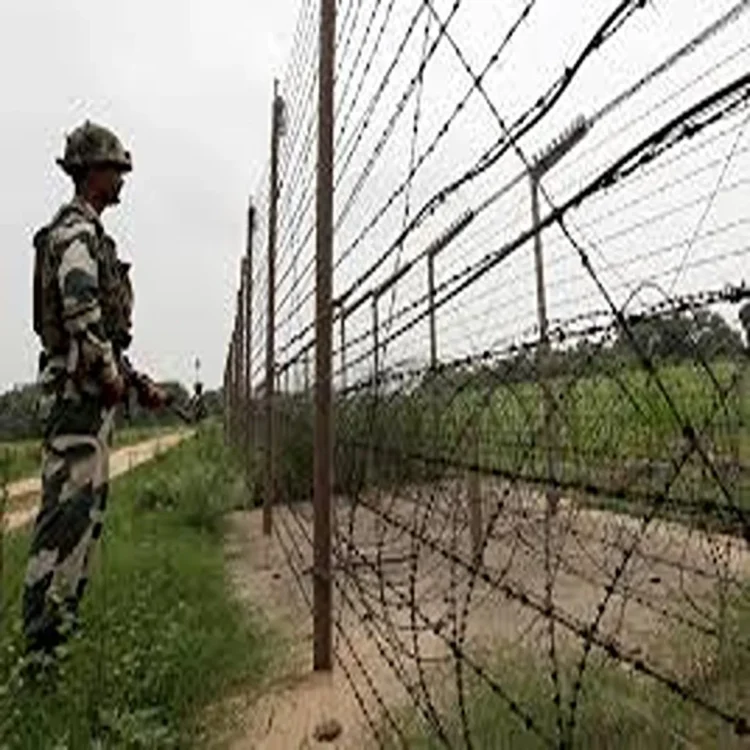
India Raises Terrorism Concerns at UN Security Council
India’s Permanent Representative to the United Nations, P Harish, strongly criticized Pakistan for allegedly supporting terrorism directed at India. Speaking during the Security Council session on Tuesday, he said Pakistan must take irreversible and credible steps to stop backing terrorism in all forms.
Harish stated that India reserves the right to defend itself against threats originating across its borders. He added that countries promoting terrorism cannot avoid accountability for their actions. His comments came in response to statements made earlier in the session by Pakistan’s envoy.
Pakistan Raises Kashmir Issue During Debate
Pakistan’s Permanent Representative, Asim Iftikhar Ahmad, referred to the long-standing Kashmir dispute during his address and argued that UN resolutions related to the region had remained unresolved for decades. He claimed that the people of Kashmir were still waiting for the right to self-determination promised in earlier Security Council discussions.
India rejected those remarks and accused Pakistan of diverting attention from the main agenda of the meeting. Harish argued that Pakistan’s repeated references to Kashmir ignored its own obligations under past UN resolutions and failed to address concerns regarding terrorism.
India References Historical UN Resolution
During the debate, India pointed to the provisions of the 1948 UN Security Council Resolution 47 concerning Kashmir. According to India, the resolution required Pakistan to withdraw armed personnel and stop assisting forces involved in conflict within the region. Indian officials maintained that these conditions were never fulfilled, making further references to the issue outdated and inconsistent with historical developments.
Harish also reiterated India’s position that Jammu and Kashmir legally became part of India through a formal process of accession. He accused Pakistan of repeatedly violating principles of sovereignty and territorial integrity through military aggression and support for extremist activities over several decades.
Strong Exchange Highlights Ongoing Diplomatic Friction
The discussion reflected the continuing diplomatic tensions between the two neighboring countries, particularly on issues linked to terrorism and regional security. Harish criticized Pakistan’s statements about commitment to the UN Charter, arguing that alleged support for extremist groups contradicted such claims.
He further accused Pakistan of encouraging religious extremism, violent radicalism, and anti-India narratives over many years. Pakistan, meanwhile, continued to defend its position on Kashmir and later exercised its right of reply during the session, repeating its criticism of India.
India chose not to respond to the second round of remarks, signaling that it did not consider the allegations worthy of further engagement during the debate.
International Focus on Regional Stability
The exchange once again highlighted how terrorism and the Kashmir dispute remain central points of disagreement between India and Pakistan on international platforms. Discussions at the United Nations continue to reflect broader concerns regarding regional peace, security, and diplomatic stability in South Asia.
Observers note that such debates often underline the difficulty of improving relations between the two countries despite repeated international calls for dialogue and restraint. The Security Council session concluded without any formal resolution related to the issue, but the verbal confrontation drew significant attention from diplomatic circles.