
Judgment – Supreme Court Set to Deliver Verdict on Electoral Roll Revision
Judgment – The Supreme Court is expected to announce its decision on Wednesday in a group of petitions questioning the legality of the Special Intensive Revision (SIR) process being carried out by the Election Commission of India for electoral rolls in several states.
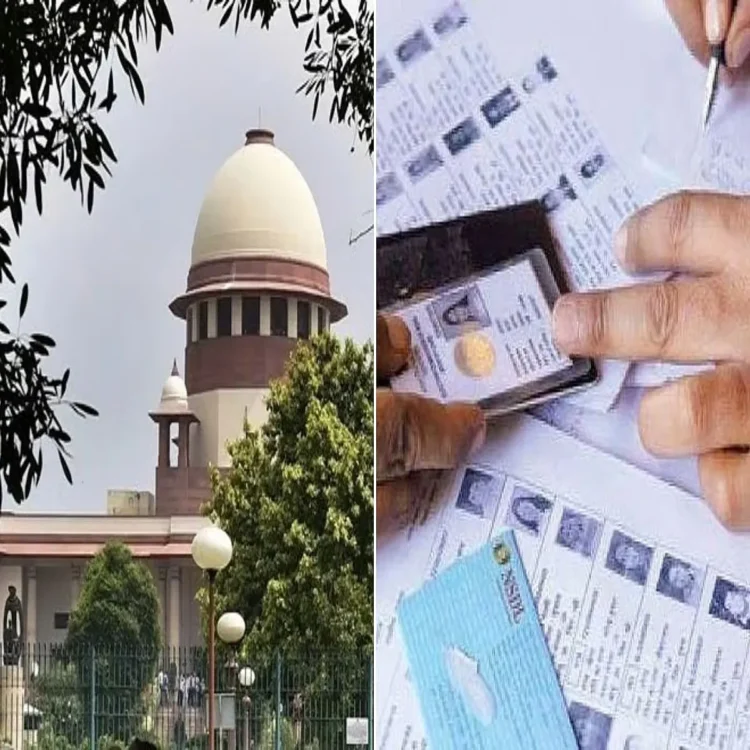
The matter has drawn national attention because the petitions challenge the constitutional basis of the revision exercise initiated by the Election Commission. A three-judge bench headed by Chief Justice of India Surya Kant, along with Justices Joymalya Bagchi and V M Pancholi, had reserved its order on January 29 after hearing extensive arguments from all parties involved.
Challenge Over Constitutional Authority
At the centre of the dispute is whether the Election Commission has the authority to conduct the SIR exercise in its present structure under Article 326 of the Constitution, the Representation of the People Act, 1950, and related electoral regulations. Petitioners have argued that the process may affect voting rights and could conflict with constitutional safeguards linked to equality and democratic participation.
The case emerged after the Election Commission decided to begin the revision drive in Bihar and a number of other states last year. Soon after the announcement, several organisations, political leaders, and activists approached the Supreme Court seeking judicial intervention.
Petitioners Raise Concerns
Among those who filed petitions are civil society organisations such as the Association for Democratic Reforms and the People’s Union for Civil Liberties. Political activist Yogendra Yadav and several Members of Parliament, including Mahua Moitra, Manoj Jha, K C Venugopal, and Supriya Sule, are also part of the challenge.
The petitions contend that the June 24, 2025 communication issued by the Election Commission should be cancelled. According to the filings, the SIR process allegedly violates constitutional provisions related to equality, freedom, personal liberty, and voting rights. Petitioners also claimed that the exercise may not align with the Representation of the People Act and the Registration of Electors Rules, 1960.
One of the pleas submitted before the court sought directions to invalidate the Election Commission’s order and the accompanying guidelines linked to the revision process in Bihar. The petitioners maintained that electoral roll verification must strictly follow constitutional and statutory protections.
Political Parties Included in Proceedings
During earlier hearings, the Supreme Court directed that all political parties be included in the proceedings considering the broader impact of the issue on the electoral system. The court observed that the matter carried significance beyond a single state because the revision exercise could influence voter registration practices elsewhere in the country.
The Election Commission, however, defended the exercise and informed the court that similar revision measures had been conducted in different states in the past. According to the poll body, the process is aimed at maintaining accurate electoral records and ensuring the integrity of voter lists.
Earlier Court Proceedings
The case has already witnessed several important developments over the past months. On July 28, the Supreme Court declined to halt the publication of the draft electoral roll scheduled for August 1, 2025, following the Bihar revision exercise. That interim decision allowed the Election Commission to continue its ongoing work while the constitutional challenge remained under consideration.
Lawyers representing the Election Commission argued before the bench that updating electoral rolls is part of its statutory responsibility and is necessary to remove discrepancies or outdated entries. They maintained that the process was conducted according to existing legal provisions.
Petitioners, on the other hand, expressed concern that the exercise could create difficulties for eligible voters if not implemented with sufficient safeguards. They argued that any large-scale revision must ensure transparency, fairness, and equal treatment for all citizens.
Verdict Expected to Clarify Legal Position
The upcoming judgment is expected to provide clarity on the scope of the Election Commission’s powers concerning intensive voter roll revisions. Legal experts believe the ruling may also shape future electoral procedures and define how constitutional protections apply to such exercises.
With multiple political parties, advocacy groups, and public representatives involved, the decision is likely to carry long-term implications for election administration across India. Attention is now focused on the Supreme Court as it prepares to pronounce its verdict on the contentious issue.