
Flooding – Tambaram Plans Major Drainage Upgrade Ahead of Northeast Monsoon
Flooding – As the northeast monsoon draws closer, the Tambaram City Municipal Corporation has unveiled a large-scale proposal worth Rs 111.08 crore to strengthen the city’s stormwater drainage network. The initiative is intended to provide a long-term solution to recurring flooding in several low-lying residential areas that continue to experience severe waterlogging even after moderate rainfall.
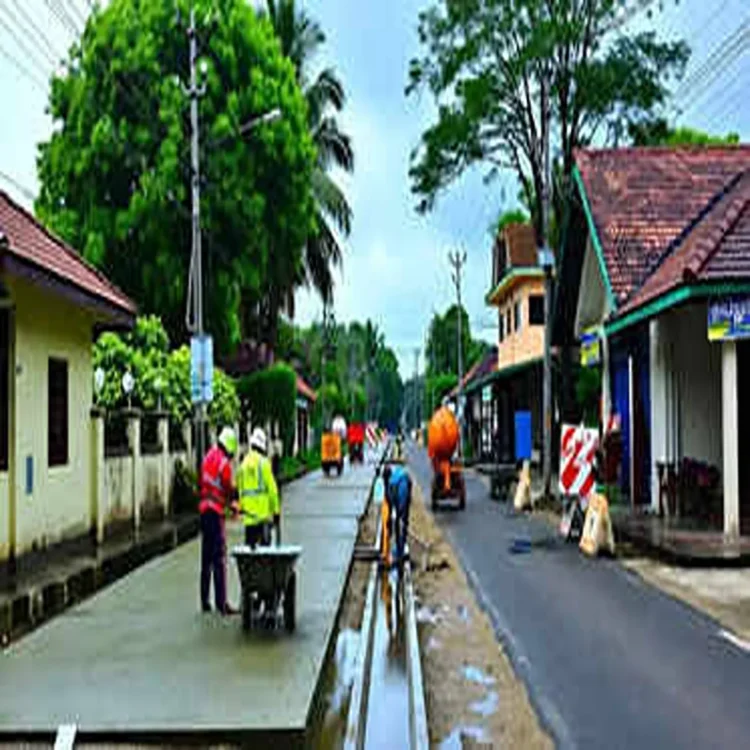
Proposal Sent for State Approval
The municipal corporation has forwarded the detailed proposal to the Tamil Nadu government, requesting both administrative clearance and financial approval. The project includes the construction of 40 stormwater drainage works covering a combined distance of 30.37 kilometres. Officials believe the expanded drainage network will improve the city’s ability to handle heavy rainfall and reduce the impact of seasonal flooding.
Flood-Prone Areas Set to Benefit
Neighbourhoods that regularly struggle with rainwater accumulation are expected to gain the most from the proposed works. These include Goodwill Nagar, Samathuva Periyar Nagar, Judge Colony, parts of Chitlapakkam, and several other vulnerable locations within the corporation limits. Residents in these areas have repeatedly faced flooded roads, interrupted transport, property damage, and disruptions to normal life whenever heavy showers occur during the monsoon season.
Project to Be Executed in Two Stages
According to civic officials, the drainage programme has been divided into two phases for easier implementation. The first phase consists of 25 stormwater drain projects extending across 23.1 kilometres, with an estimated investment of Rs 95.51 crore. The second phase includes 15 additional works covering 7.27 kilometres at a projected cost of Rs 15.57 crore. Together, these projects are expected to strengthen the overall drainage network across multiple flood-sensitive zones.
Planning Based on Field Surveys
Corporation Commissioner S. Balachander stated that the proposal was prepared after extensive field inspections and detailed flood-mapping studies conducted over the past several monsoon seasons. Officials closely examined locations where flooding repeatedly occurred and identified shortcomings in the existing drainage infrastructure. These findings were used to design a network that addresses long-standing drainage gaps more effectively.
Improved Water Flow a Key Objective
The proposed stormwater drains are planned to connect with existing drainage systems and major discharge outlets to allow rainwater to move more efficiently during periods of intense rainfall. By improving connectivity throughout the drainage network, the corporation expects water to drain more quickly from affected neighbourhoods, reducing the duration and severity of flooding after heavy showers.
Work Expected to Begin After Clearance
Municipal authorities have indicated that construction will be taken up on a priority basis once the Tamil Nadu government grants the required approvals. The corporation aims to strengthen flood preparedness before the arrival of the peak northeast monsoon so that critical areas receive better protection against seasonal waterlogging.
Earlier Projects Faced Criticism
The corporation had previously completed nearly 15 kilometres of stormwater drains at a cost of Rs 37.59 crore with support from the State Disaster Response Fund. However, several residents and civic groups have questioned the effectiveness of those works, claiming that many drains failed to perform as expected during heavy rainfall. They alleged that inadequate gradients in certain sections prevented rainwater from flowing naturally, reducing the efficiency of the drainage system.
Activists Seek Broader Flood Management Measures
Civic activists have urged authorities to maintain strict quality supervision throughout the proposed construction. They also recommended that the corporation combine new drainage infrastructure with the restoration of natural waterways, removal of encroachments, and widening of existing water channels. According to them, such complementary measures would improve overall drainage performance, reduce future flood risks, and ensure more effective use of public funds.