
MaritimeJobs – Indian Sailors Face Rising Risks Amid Gulf Shipping Crisis
MaritimeJobs – For many young Indians from poor farming families, working on international cargo ships has long been seen as a reliable path toward financial stability. However, the growing conflict in West Asia has exposed thousands of sailors to life-threatening dangers, turning what once appeared to be a promising career into a source of fear and uncertainty.
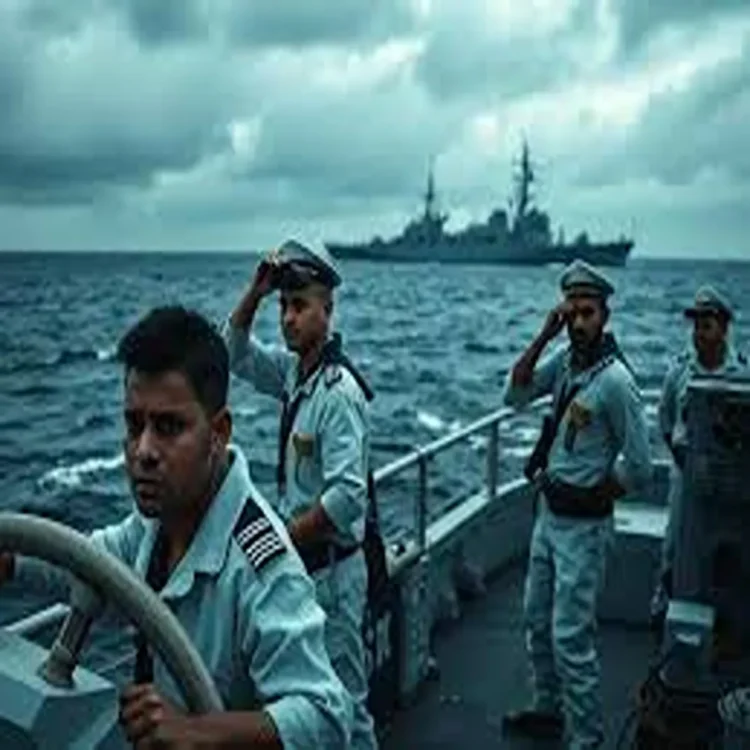
Sunil Pooniya, a 26-year-old sailor from a farming household in India, recently survived a deadly attack at sea after the vessel he worked on was struck near the coast of Oman. The incident claimed the lives of two Indian crew members and highlighted the growing risks faced by merchant sailors operating near the Strait of Hormuz.
Deadly Attack Leaves Indian Families Devastated
Pooniya recalled the terrifying moments when the tanker came under attack during his first overseas assignment. According to him, the crew initially believed the ship had suffered an engine malfunction after hearing a loud explosion. Within moments, flames spread across the vessel.
As panic took over, crew members rushed to save themselves by jumping into the sea with life jackets. Pooniya said he desperately searched for his colleague Dalip Singh during the chaos but could not find him after the fire engulfed sections of the ship.
Dalip Singh, a 25-year-old from Rajasthan, had recently started working in merchant shipping after struggling for years to secure stable employment. His monthly earnings at sea were significantly higher than what he could earn in his village, making the job an important source of income for his family.
His younger brother said Dalip had borrowed money to complete maritime training before joining the shipping industry. The family had hoped his overseas job would improve their living conditions. Instead, they are now dealing with an unimaginable loss.
India Among Largest Suppliers of Global Seafarers
India remains one of the world’s leading suppliers of merchant navy personnel. Government estimates suggest more than 320,000 Indian seafarers are currently employed across international shipping routes.
However, the ongoing tensions in West Asia have placed many of them in increasingly dangerous situations. The International Maritime Organisation has reported multiple casualties involving merchant sailors since violence intensified in the region earlier this year.
The Strait of Hormuz, one of the world’s most critical shipping corridors for oil and liquefied natural gas transport, has become highly unstable following military escalations involving Iran, the United States, and Israel. Security agencies monitoring maritime activity have documented repeated attacks, missile sightings, and threats against commercial vessels passing through nearby waters.
Economic Pressure Continues to Push Workers to Sea
Despite the dangers, maritime employment remains attractive for many Indians facing unemployment and financial hardship at home. Labour union representatives say thousands of young workers continue to pursue seafaring jobs because the salaries are considerably higher than wages available in rural India.
Manoj Yadav of the Forward Seamen’s Union of India said the industry offers economic opportunities to people with limited educational qualifications. According to him, many workers are willing to accept the risks because supporting their families remains their top priority.
Another Indian sailor, Raju Ram from Rajasthan, has been stranded aboard a tanker in the United Arab Emirates for several weeks while waiting for clearance to cross the Strait of Hormuz. He described witnessing missile activity close to his ship but said financial responsibilities leave him with little choice but to continue working.
Families Seek Support and Answers
The death of ship captain Ashish Kumar Singh has also left his family grieving in Bihar. His wife has appealed to authorities for assistance in bringing his remains back to India so the family can perform final rites and find closure.
For surviving sailors like Pooniya, the future remains uncertain. While he admits the risks at sea are frightening, he believes opportunities back home remain too limited to walk away from the profession completely.
He said many workers from low-income families become trapped in debt due to low-paying jobs in India, while shipping work, despite the danger, provides income that can support entire households