
TradeDeal – Congress Questions Government Over Proposed US Import Commitments
TradeDeal – The Congress party on Sunday intensified its criticism of Prime Minister Narendra Modi after remarks by US Secretary of State Marco Rubio suggested that India had agreed to purchase American goods worth USD 500 billion over the next five years.
The opposition party claimed the reported commitment reflected an excessive attempt by the Indian government to maintain close ties with the United States. Congress leaders argued that the proposed trade understanding raised serious economic and policy concerns, particularly at a time when the government has repeatedly urged citizens to reduce unnecessary spending and conserve foreign exchange reserves.
Congress Raises Questions Over Trade Understanding
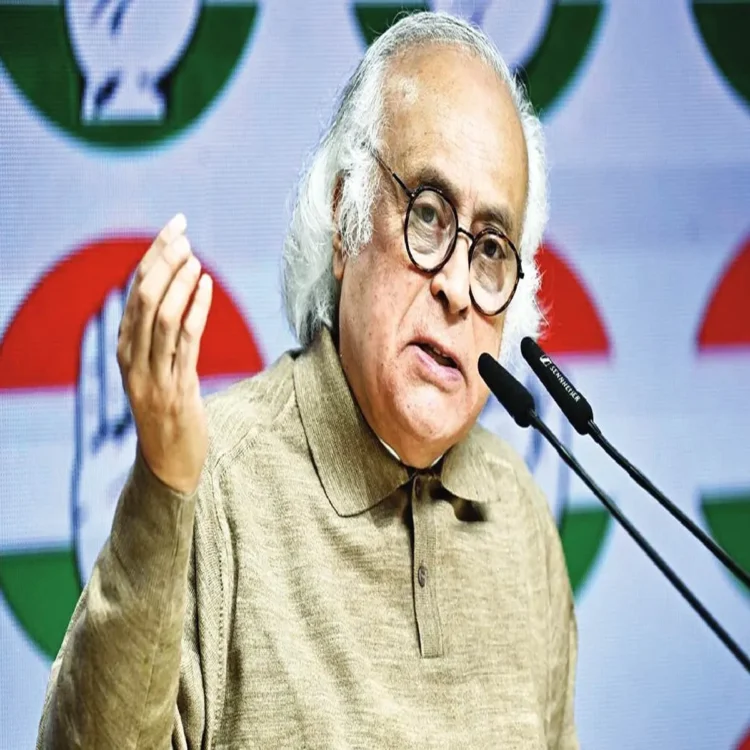
Congress general secretary for communications Jairam Ramesh said the government appeared unwilling to distance itself from what he described as a harmful trade arrangement. Referring to other countries that have reportedly reviewed or rejected similar agreements, he questioned why India had not adopted a firmer stand on the matter.
Ramesh alleged that the administration was prioritising diplomatic relations over domestic economic interests. According to him, large-scale import commitments could place additional pressure on the Indian economy and undermine efforts aimed at boosting local manufacturing and reducing dependence on foreign goods.
Concerns Over Economic Impact
The Congress leader also linked the issue to previous appeals made by Prime Minister Modi regarding foreign exchange conservation. He pointed out that the government had earlier encouraged citizens to limit fuel usage and avoid unnecessary overseas travel in order to reduce the outflow of foreign currency.
In that context, Ramesh asked whether agreeing to record imports from the United States contradicted those public appeals. He further questioned whether such large-scale imports could weaken the Indian rupee by increasing pressure on the country’s trade balance.
Economic experts have often noted that rising imports without matching export growth can influence currency stability and widen trade deficits. However, the government has not yet issued a detailed response to the latest criticism from the opposition.
Rubio’s Remarks Trigger Political Debate
The controversy gained momentum after comments made by US Secretary of State Marco Rubio regarding India’s planned purchases of American goods. The remarks quickly became a subject of political debate, with opposition leaders seeking clarity from the Centre on the exact nature of the proposed trade commitments.
Ramesh also referred to earlier statements made by Rubio during Operation Sindoor in May 2025. He recalled that the American official had publicly announced a ceasefire connected to the operation before Indian authorities formally confirmed the development.
According to the Congress leader, Rubio had then stated that intervention by former US President Donald Trump played a role in facilitating the ceasefire. Ramesh argued that such announcements by foreign leaders before official statements from India raised questions about diplomatic handling and communication.
Venezuela Visit Mentioned in Criticism
The Congress spokesperson additionally highlighted Rubio’s recent announcement concerning the proposed visit of the Venezuelan president to India next week. He suggested that once again an important international development connected to India had first been disclosed by an American official rather than by Indian authorities.
The remarks were shared through a post on social media platform X, where Ramesh criticised the government’s foreign policy approach and questioned its transparency on international engagements.
Government Yet to Respond Officially
As political reactions continue, the central government has not issued an official clarification regarding the reported USD 500 billion import commitment or the concerns raised by the Congress party.
The issue is expected to remain part of the political debate in the coming days, particularly amid ongoing discussions around India’s trade strategy, currency stability, and foreign policy priorities.