
EnergySecurity – India Pushes Renewable Expansion Amid Rising West Asia Tensions
EnergySecurity – India has begun intensifying its long-term efforts to reduce dependence on imported fuel as growing instability in West Asia raises concerns over future energy supply disruptions. The Centre is now focusing more aggressively on renewable and locally produced energy sources to strengthen national energy security and reduce exposure to geopolitical risks.
Government Reviews Energy Preparedness
The issue reportedly figured prominently during a recent meeting of the Union Council of Ministers chaired by Prime Minister Narendra Modi in New Delhi. According to sources familiar with the discussions, the government is preparing a broader policy roadmap aimed at increasing India’s energy self-sufficiency over the coming decades.
With tensions involving the United States, Israel and Iran continuing to create uncertainty across global oil markets, policymakers are said to be examining ways to protect India from sudden shocks in crude oil availability and pricing. India currently imports a significant share of its fuel requirements, making the country vulnerable to disruptions in major oil-producing regions.
Focus on Renewable and Indigenous Alternatives
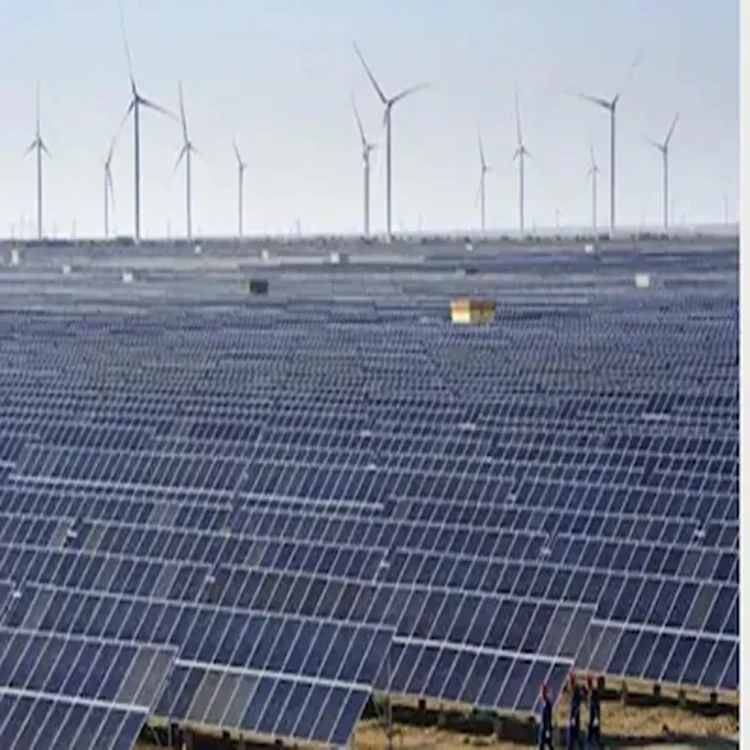
During the meeting, the Prime Minister is understood to have stressed the need for faster adoption of alternative energy options, including solar power, biomass and biogas. Ministers were reportedly encouraged to promote sustainable energy systems that can gradually reduce the nation’s dependence on imported fossil fuels.
Officials present at the discussions indicated that biogas received particular attention as a practical substitute for LPG in household cooking. The government believes wider use of biogas could not only reduce import pressure but also support rural economies and improve waste management practices.
Solar energy expansion and improved biomass infrastructure were also highlighted as essential components of India’s long-term energy planning. The government sees these sectors as critical to ensuring both environmental sustainability and economic stability.
Viksit Bharat Vision Reiterated
Apart from energy concerns, Narendra Modi reportedly used the meeting to reaffirm the government’s larger objective of transforming India into a developed nation by 2047. Ministers were asked to continue working with a mission-oriented approach to achieve the vision of “Viksit Bharat”.
According to people aware of the discussions, the Prime Minister emphasised that governance reforms must continue evolving in line with the demands of a rapidly modernising economy. He is said to have urged ministries to improve efficiency, speed up implementation processes and maintain stronger coordination across departments.
Ease of Living and Business Reforms Discussed
A substantial part of the meeting focused on improving “Ease of Living” and “Ease of Doing Business”, two areas that remain central to the government’s policy agenda. Discussions reportedly included ways to accelerate reforms that could support investment, simplify procedures and improve public services.
The Prime Minister is believed to have encouraged ministries to identify bottlenecks slowing development projects and to adopt faster decision-making mechanisms. Officials from several departments presented updates on ongoing initiatives and future priorities.
The Petroleum and Finance Ministries reportedly delivered detailed presentations outlining sector-specific strategies and economic planning measures linked to energy management and growth.
Multiple Sectors Present Long-Term Plans
Alongside energy-related matters, presentations were also made by ministries connected to agriculture, forestry, labour, road transport, commerce, corporate affairs, external affairs and power. These discussions focused on maintaining steady economic growth while addressing future infrastructure and development needs.
The meeting reflected the government’s broader attempt to balance economic expansion with long-term sustainability planning. Policymakers appear increasingly aware that global geopolitical developments could have direct implications for India’s economy, especially in sectors linked to energy imports and industrial growth.
A day after the meeting, Narendra Modi referred to the discussions in a social media post, describing the ministerial interaction as productive and focused on reforms, governance improvements and development priorities linked to the country’s long-term vision.