
Cybercrime – Punjab Police Uncovers Major Overseas Fraud Network in Ludhiana
Cybercrime – Punjab Police has dismantled a large cyber fraud operation allegedly running through two fake call centres in Ludhiana, leading to the arrest of 132 people and the freezing of more than 300 bank accounts linked to suspicious financial transactions.
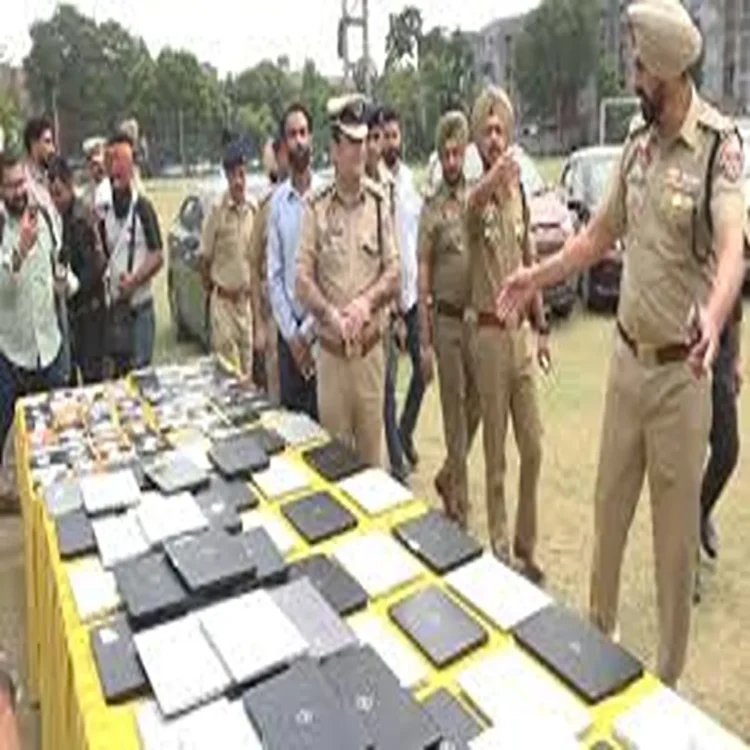
According to investigators, the operation was connected to an organised international fraud network with links extending to Delhi and Gujarat. The accused allegedly targeted foreign citizens by using deceptive computer alerts, fake banking warnings and remote access scams to gain control over victims’ devices and financial details. Officials said the money collected through the fraud was later transferred to India through illegal financial routes, including hawala channels and cryptocurrency transactions.
Raids Conducted Across Multiple Commercial Locations
Police teams carried out simultaneous raids at offices located near Sandhu Tower and Silver Oak in Ludhiana after receiving intelligence inputs regarding suspicious activities. Authorities described the operation as one of the biggest cybercrime crackdowns conducted in North India in recent years.
During the raids, the cyber cell recovered Rs 1.32 crore in cash along with 98 laptops, 229 mobile phones and 19 vehicles believed to have been purchased using proceeds from the alleged fraud. Investigators also discovered extensive digital infrastructure used to contact and manipulate victims living abroad.
Officials stated that most of those arrested were employed at the call centres and were reportedly earning salaries ranging from Rs 20,000 to Rs 50,000 per month. Police believe many workers were aware that the activities being carried out were fraudulent in nature.
Fraudsters Used Fake Security Warnings
Ludhiana Police Commissioner Swapan Sharma explained that the gang operated through fake technical support and banking alerts. Victims reportedly received alarming pop-up notifications on their computers claiming that their systems had been hacked or infected with harmful viruses.
Once the warning appeared, the victims’ screens would freeze, prompting them to contact a customer support number displayed on the screen. The calls were then redirected to members of the fraud network using internet-based dialler systems.
Police said the scam relied heavily on convincing victims that their personal and banking information was at immediate risk. Fraudsters persuaded people to install remote access software, allowing them to gain entry into the victims’ computers and monitor their activities.
Teams Assigned Different Roles in Scam Operation
Investigators revealed that the syndicate had structured teams with assigned responsibilities. Some members acted as “openers,” whose role was to establish contact with victims and build trust. Others acted as “closers,” posing as bank officials or security representatives.
The accused allegedly displayed fabricated scan reports and false warnings involving hacked bank accounts, compromised email services and other security threats. Victims were then encouraged to log into banking applications and personal accounts while sharing their screens remotely.
After gaining access to confidential information, the fraudsters reportedly convinced victims that their money was no longer safe in their bank accounts. They were then instructed to transfer funds through various methods, including wire transfers, gift card purchases and doorstep cash or gold pickups.
Large Financial Network Under Investigation
Police officials said one team within the network was allegedly capable of cheating victims of nearly USD 20,000 per day. Preliminary investigations suggest the organisation generated close to Rs 35 crore every month through illegal activities.
Authorities further revealed that nearly 40 per cent of the money collected from victims abroad was routed back to India using hawala channels, while the remaining amount stayed with overseas associates connected to the syndicate.
The investigation is continuing as officials examine financial records, digital evidence and possible international links. Police are also working to identify additional individuals who may have been involved in operating or financing the fraud network.