
LeadershipShift – Andy Burnham’s Westminster Return Sparks Fresh Labour Debate
LeadershipShift – Britain’s Labour Party is facing renewed internal uncertainty after Member of Parliament Josh Simons stepped down from his seat to allow Greater Manchester Mayor Andy Burnham to contest a by-election and potentially return to Westminster.
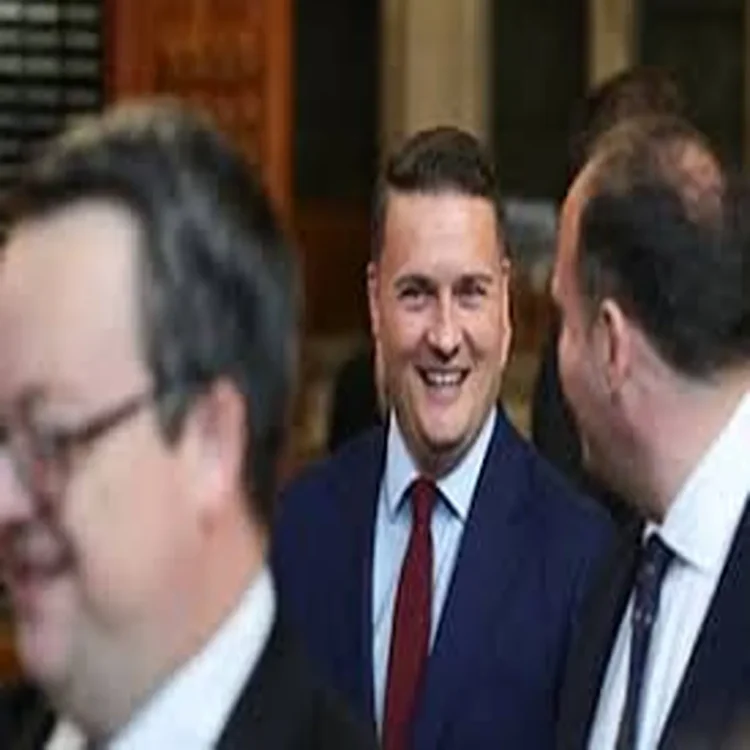
Simons, who represented the Makerfield constituency, announced his resignation through a public statement shared on social media. In his message, he argued that the government had not brought the level of change many voters expected and said the country needed leadership with stronger determination and political courage during a difficult period.
Burnham Signals Interest in Parliamentary Comeback
Shortly after the resignation announcement, Andy Burnham confirmed that he intends to seek approval from Labour’s National Executive Committee to stand in the upcoming Makerfield by-election. If selected and elected, Burnham would return to the House of Commons after several years away from national parliamentary politics.
Burnham previously served as an MP for 16 years before becoming Mayor of Greater Manchester in 2017. During his time in regional leadership, he built a reputation as one of Labour’s most recognised political figures outside Westminster, particularly on issues linked to public transport, regional funding and local governance.
His earlier attempt to return to Parliament this year reportedly failed after the party’s governing body declined to approve the move. The latest development, however, appears to have reopened that possibility.
Pressure Grows Around Keir Starmer’s Leadership
The political significance of Burnham’s possible return extends beyond the by-election itself. Many within British political circles view him as one of the few Labour figures capable of attracting enough support to challenge Prime Minister Keir Starmer for the party leadership in the future.
Under Labour Party rules, an individual must be a sitting MP to formally enter a leadership contest. Burnham’s return to Parliament would therefore place him in a stronger position should dissatisfaction within the party continue to grow.
Recent local election setbacks have intensified scrutiny of Starmer’s leadership. Several British media reports claimed that dozens of Labour MPs have privately or publicly expressed concern over the party’s direction after disappointing results at the polls.
Cabinet Resignation Deepens Internal Tensions
The pressure increased further following the resignation of Health Secretary Wes Streeting. In a letter explaining his departure from government, Streeting stated that he no longer had confidence in Starmer’s leadership and felt unable to continue serving under the current circumstances.
He also suggested that Labour should begin an open discussion about its future leadership before the next general election. The resignation marked one of the most serious public challenges to Starmer from within his senior team.
Despite the criticism, several cabinet ministers have continued to support the prime minister and urged party members to avoid further division at a politically sensitive moment.
Starmer Warns Against Internal Conflict
Responding to the growing unrest, Starmer defended his leadership and warned that a prolonged internal dispute could seriously damage the party. Speaking after speculation about a possible leadership challenge intensified, he argued that Labour risked descending into political instability if senior figures turned against one another.
The prime minister also said the party should remain focused on delivering promises made to voters rather than becoming distracted by internal competition. He described the current moment as an important test for Labour’s future direction and national credibility.
Political observers believe the coming weeks could become decisive for the party. If Burnham secures approval to stand and wins the by-election, his return to Parliament may significantly reshape Labour’s internal dynamics ahead of the next national election cycle.