
Sanctions – Trump Rejects Iran Proposal as Gulf Ceasefire Weakens
Sanctions – President Donald Trump sharply criticized Iran’s latest response to a US-backed proposal aimed at stabilizing the conflict in West Asia, warning that the fragile ceasefire in the Gulf region could soon collapse. His remarks triggered fresh uncertainty in global markets and intensified concerns over oil supplies and regional security.
Ceasefire Faces Fresh Uncertainty
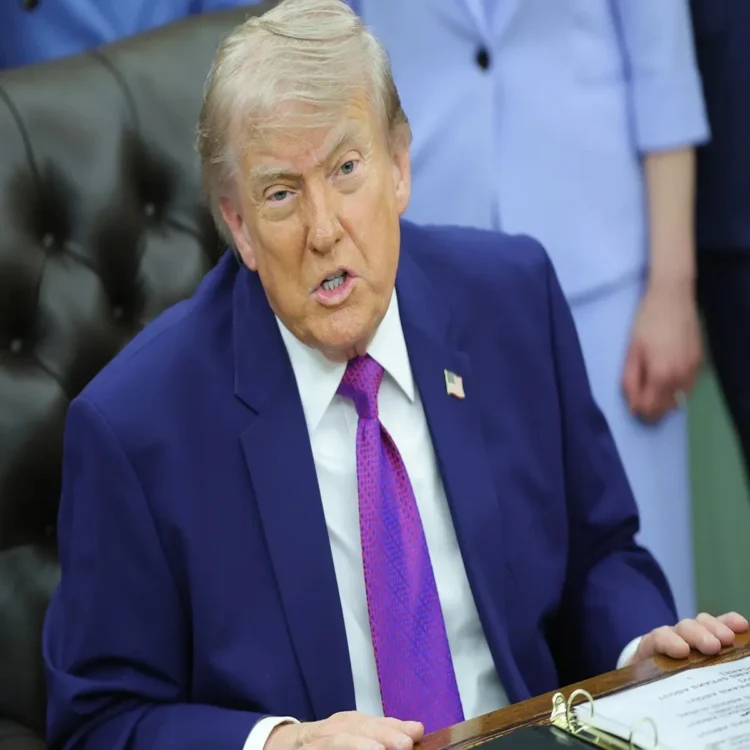
Speaking to reporters on Monday, Trump described the current truce as extremely fragile and suggested it was close to failing altogether. The ceasefire, which has largely reduced military activity in the Gulf for several weeks, now appears under renewed pressure after Washington rejected Tehran’s counterproposal.
Trump called Iran’s reply unacceptable and said the United States remained committed to securing what he described as a “complete victory.” Although he did not explain which parts of the proposal had angered Washington, the comments quickly reduced optimism that negotiations could produce a rapid breakthrough.
Iran Signals Military Preparedness
Iranian officials responded by warning that the country was fully prepared to answer any military escalation. Parliamentary speaker Mohammad Bagher Ghalibaf stated that Iran’s armed forces were ready for all possible outcomes and would respond strongly to hostile action.
Iran’s foreign ministry later clarified that Tehran had demanded an end to the US naval blockade affecting its ports and broader military operations in the region. The proposal reportedly also called for the release of Iranian financial assets frozen abroad for years under sanctions.
Foreign ministry spokesman Esmaeil Baqaei said Iran was not seeking additional concessions but only what it considered its legal rights. Tehran has long argued that international sanctions unfairly damaged its economy and limited access to global banking systems.
Oil Markets React to Rising Tensions
The worsening diplomatic standoff immediately affected global energy markets. Oil prices climbed sharply as fears grew that shipping through the Strait of Hormuz could face further disruption.
The waterway remains one of the world’s most important routes for transporting oil and gas. Ongoing restrictions and military pressure in the area have already delayed shipments and created uncertainty among international buyers.
Saudi energy giant Aramco warned investors that the current supply disruption was unprecedented in scale. Company president Amin Nasser said even if shipping routes reopened immediately, the global market would require months to stabilize.
He added that a longer delay could push market recovery well into 2027, increasing pressure on fuel prices and industrial supply chains worldwide.
Concerns Grow Over Humanitarian Impact
Beyond energy, international organizations are increasingly worried about food security and fertilizer shortages linked to the Gulf crisis. Many fertilizer exports move through ports affected by the conflict, creating risks for agricultural production in vulnerable regions.
Jorge Moreira da Silva, executive director of the United Nations Office for Project Services, warned that millions of people could face worsening hunger if disruptions continue. He said the world had only a short period left to avoid a major humanitarian emergency.
According to UN estimates, prolonged instability could push tens of millions of additional people toward food insecurity and starvation.
Nuclear Dispute Remains Central Issue
The dispute over Iran’s nuclear activities continues to complicate diplomatic efforts. The United States, Israel and allied nations have repeatedly accused Tehran of pursuing nuclear weapons development, while Iran has consistently denied those claims.
Israeli Prime Minister Benjamin Netanyahu has maintained that military operations would continue until Iran’s nuclear infrastructure is dismantled.
Meanwhile, reports from people familiar with ongoing discussions suggested Iran had proposed diluting part of its highly enriched uranium stockpile, while transferring the remaining material to another country under international oversight.
Strait of Hormuz Remains Flashpoint
Attention is now heavily focused on the Strait of Hormuz, where Iran has tightened maritime controls and introduced toll mechanisms for passing vessels. US officials have repeatedly stated that Tehran cannot be allowed to dominate such a critical international shipping route.
Trump also revealed that his administration is considering restoring naval escort operations for commercial ships traveling through the strait, though no final decision has been announced.
At the same time, the United States imposed new sanctions targeting individuals and companies accused of helping transport Iranian oil to China. The measures affected businesses based in Hong Kong, the United Arab Emirates and Iran itself.
Iranian officials reacted with further warnings, saying attacks on Iranian vessels would trigger direct retaliation against American military assets in the region.