
ElectricityTariff – Punjab Power Tariff Cut Faces Legal and Financial Scrutiny
ElectricityTariff – Punjab has announced a reduction in electricity tariffs for the 2026–27 financial year, but the move has already sparked legal and financial concerns within the state’s power sector.
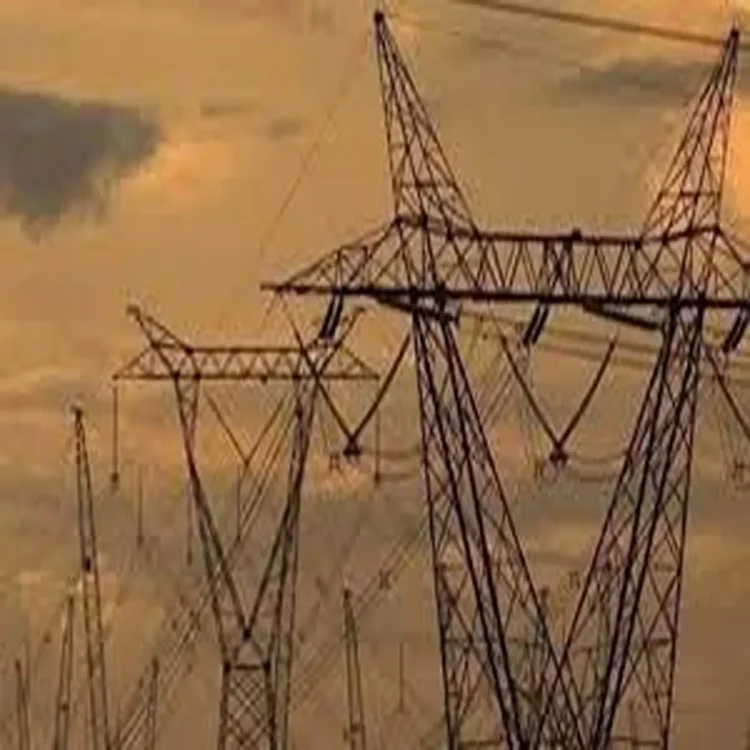
Punjab consumers are set to receive relief in electricity bills after tariffs were lowered by 50 paise to Rs 1.50 per unit across all consumer categories for the upcoming financial year. The decision comes at a politically significant time, with the Punjab Assembly elections expected within the next year. Officials estimate that the reduction will provide overall relief worth nearly Rs 7,852 crore to consumers throughout the state.
Engineers’ Association Challenges Tariff Order
The tariff revision, however, has not gone unchallenged. The Punjab State Electricity Board Engineers Association has approached the Appellate Tribunal for Electricity (APTEL), questioning the tariff order issued by the Punjab State Electricity Regulatory Commission (PSERC) on March 6.
The tribunal has accepted the petition, and the matter is expected to come up for hearing in July. In its appeal, the association has raised concerns about the revised Annual Revenue Requirement figures submitted by Punjab State Power Corporation Limited (PSPCL) before the regulatory commission.
According to the petition, the revised calculations may weaken the long-term financial position and operational efficiency of the state-owned power utility.
Concerns Over Revenue and Subsidy Calculations
The engineers’ body has argued that major changes were introduced in the revenue projections for the 2026–27 fiscal year. It stated that the Net Revenue Requirement was brought down by Rs 1,259 crore to Rs 48,996 crore. This figure is considerably lower than PSPCL’s original projection of Rs 52,365 crore and also below its revised estimate of Rs 51,106 crore.
The association claimed that these revised calculations created an apparent revenue surplus of Rs 7,851.91 crore. At the same time, the projected government subsidy requirement was reduced sharply from Rs 22,250 crore to Rs 15,200 crore.
Petitioners have alleged that the revised financial assumptions present an unrealistic picture of the utility’s financial health. They warned that such changes could lead to reduced funds for infrastructure upgrades, maintenance work, and service improvements.
Dispute Over Distribution Loss Targets
A major point of disagreement in the petition relates to transmission and distribution loss targets fixed for the next financial year. The association described the proposed 10 percent loss trajectory for 2026–27 as impractical and inconsistent with earlier approved plans.
The petition noted that PSERC had previously approved a higher loss target of 11.80 percent for 2026–27 under its multi-year tariff framework issued in December 2025. The approved roadmap had also outlined gradual reductions to 11.60 percent in 2027–28 and 11.40 percent in 2028–29, along with planned investments in infrastructure.
According to the association, altering these targets at a later stage without matching operational improvements could place additional pressure on PSPCL and affect system performance.
Financial Stability Fears Raised
The engineers’ association further argued that the revised projections may expose the power utility to significant financial stress in the coming years. It claimed that optimistic assumptions regarding power losses and revenue generation were used to convert an expected revenue deficit of Rs 1,713 crore into a surplus exceeding Rs 7,851 crore.
The petition also stated that reducing subsidy dependence through aggressive projections may ultimately impact the quality and reliability of electricity supply in the state.
Industry observers believe the outcome of the case could influence future tariff-setting practices and financial planning within Punjab’s power sector. With the tribunal scheduled to hear the matter in the coming months, the dispute is likely to remain closely watched by consumers, policymakers, and power sector stakeholders alike.