
TaiwanDefense – US Senators Push Trump to Approve Taiwan Arms Deal
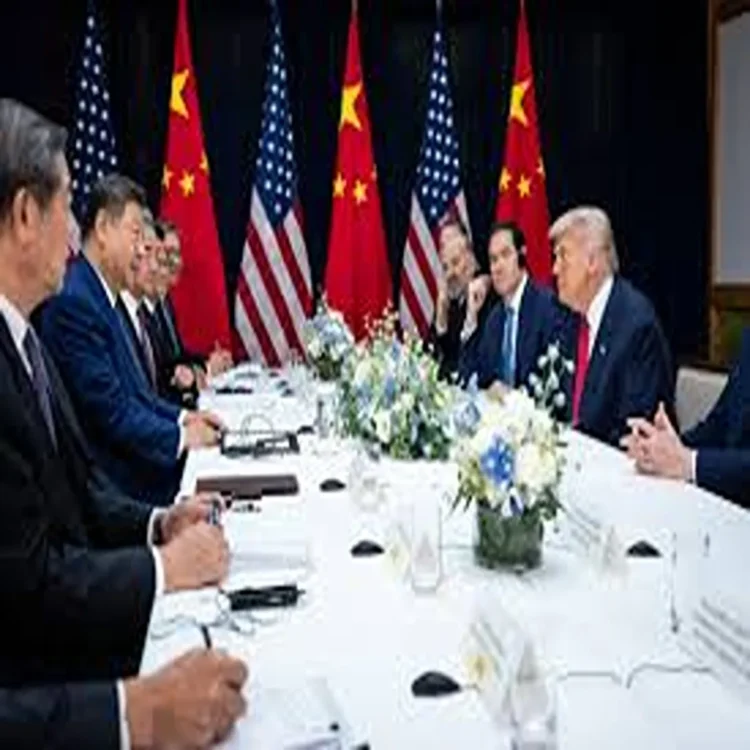
TaiwanDefense – A group of senior American senators from both major political parties has urged President Donald Trump to proceed with a proposed $14 billion weapons package for Taiwan before his scheduled meeting with Chinese President Xi Jinping later this week. The lawmakers warned that any reduction in Washington’s support for Taipei could strengthen Beijing’s position and increase instability across the Indo-Pacific region.
Senators Call for Immediate Congressional Notification
The appeal was made through a formal letter organised by Senator Jeanne Shaheen and Senator Thom Tillis. Both lawmakers asked the Trump administration to officially move forward with the arms package that Congress had reportedly approved earlier in January 2025.
According to the senators, the proposed defence agreement includes a range of military systems designed to strengthen Taiwan’s ability to respond to growing pressure from China. They stressed that the administration should avoid any delay in notifying Congress, describing the package as essential for regional security and American strategic interests.
Taiwan Expands Defence Spending Amid Regional Pressure
The letter also pointed to recent decisions made by Taiwan’s legislature, which approved a defence budget worth approximately $25 billion. The senators said the funding would help improve Taiwan’s military preparedness at a time when Beijing continues to increase military activities around the island.
The new Taiwanese defence spending is expected to support purchases of American-made military equipment, including drone defence technology, missile systems, battlefield command infrastructure and other advanced security tools. Lawmakers said these capabilities would help Taiwan strengthen deterrence and improve coordination during possible military emergencies.
Warning Against Using Taiwan in US-China Negotiations
In their message to President Trump, the senators strongly advised against treating Taiwan as a bargaining tool during discussions with Chinese President Xi Jinping. They argued that American backing for Taiwan should remain firm regardless of trade disputes or broader geopolitical negotiations between Washington and Beijing.
The lawmakers wrote that China must clearly understand that support for Taiwan is not open for compromise while the United States continues efforts to address economic disagreements with Beijing.
Bipartisan Support Highlights Washington Consensus
Several influential senators from both the Democratic and Republican parties signed the letter, including Chris Coons, Tammy Duckworth, Jacky Rosen and Elissa Slotkin. Their support reflects continued bipartisan agreement in Congress regarding Taiwan’s security and America’s role in the region.
The senators argued that long-standing military cooperation between Washington and Taipei has acted as a strong deterrent against possible military action by China. They stated that the weapons package includes anti-ship missiles, radar systems, drones and naval mines intended to make any potential invasion attempt significantly more difficult and costly.
Economic Risks Also Raised by Lawmakers
Beyond military concerns, the senators also highlighted the possible economic consequences if tensions over Taiwan escalate further. They warned that a conflict involving Taiwan could create serious disruptions across global supply chains and negatively affect American consumers and industries.
According to the letter, a Chinese move to gain control over Taiwan could trigger long-term inflation, increase production costs and damage manufacturing sectors that rely heavily on international semiconductor and technology supply networks.
Rising Tensions Continue Between Washington and Beijing
The latest appeal comes at a time when relations between the United States and China remain strained over trade restrictions, technology controls, military activity near Taiwan and competition for influence across the Indo-Pacific. China continues to view Taiwan as part of its territory and has repeatedly stated that reunification remains a priority, including the possible use of force if necessary.
Taiwan, however, continues to operate as a self-governed democracy with strong informal ties to the United States, making the issue one of the most sensitive points in the relationship between Washington and Beijing.