
Diplomacy – US Lawmakers Push Trump to Address China Detention Cases
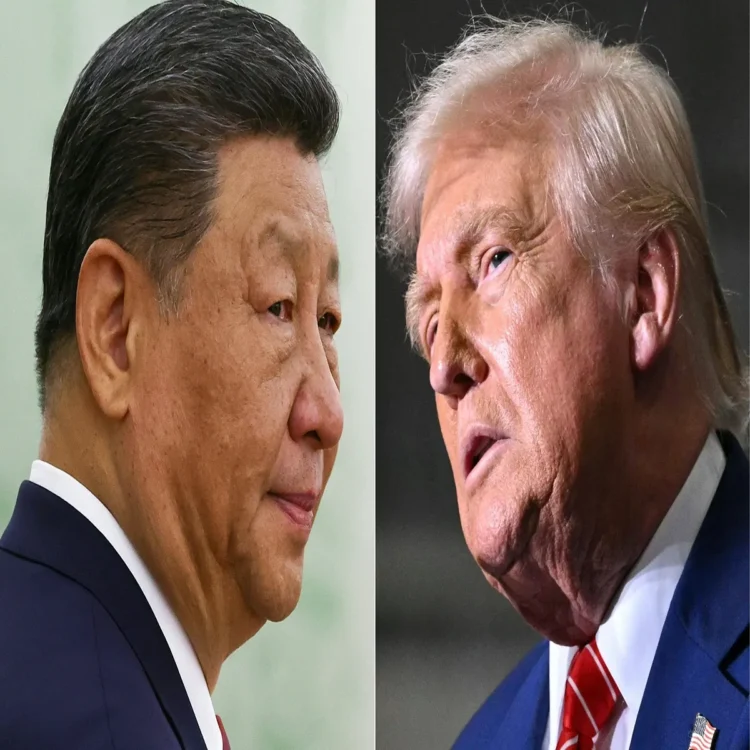
Diplomacy – Senior American lawmakers from both political parties have urged President Donald Trump to directly discuss the detention of political prisoners and American-linked cases with Chinese President Xi Jinping during their expected diplomatic talks. The lawmakers argued that several actions taken by Chinese authorities have affected not only detainees in China but also families living in the United States.
Bipartisan Leaders Raise Human Rights Concerns
The appeal came through a letter issued by the Congressional-Executive Commission on China, a body established by the US Congress to monitor legal and human rights developments in China. The commission said Chinese authorities were increasingly relying on measures such as restrictive exit bans, intimidation tactics and pressure campaigns targeting US citizens, permanent residents and their relatives.
The letter carried signatures from Republican Senator Dan Sullivan, Republican Representative Chris Smith, Democratic Senator Jeff Merkley and Democratic Representative James McGovern. The group stressed that these cases should become part of every major diplomatic discussion between Washington and Beijing.
According to the lawmakers, the issue extends beyond the punishment of individuals. They claimed the actions send a broader signal that Chinese authorities can influence families living abroad and discourage criticism outside the country.
Specific Prisoner Cases Highlighted
The commission identified several individual cases it believes deserve immediate attention from the White House.
Among them was Pastor Mingri “Ezra” Jin, described in the letter as a Protestant religious leader currently imprisoned in China. Lawmakers stated that members of his family living in the United States had allegedly faced pressure and threats aimed at preventing them from publicly discussing his situation with American officials.
The letter also referred to Dr. Gulshan Abbas, a Uyghur doctor serving a lengthy prison sentence. US lawmakers argued that her detention appeared linked to the activism of her sister, who has spoken publicly in the United States about the treatment of Uyghur communities in China.
Another case involved Uyghur businessman Ekpar Asat, while lawmakers also mentioned Gao Zhen, a lawful permanent resident of the United States facing accusations connected to artwork reportedly produced in America. The commission stated that Gao’s child, who is a US citizen, has allegedly been prevented from returning to New York.
Pressure Campaign Against Beijing
Members of the commission argued that discussing such cases openly during high-level meetings could increase international scrutiny and place additional pressure on Chinese authorities.
The letter described prisoner advocacy as an effective diplomatic tool that could raise political costs for repression without requiring major financial or military involvement.
In addition, the lawmakers requested that the US State Department maintain a regularly updated list of political prisoner cases and travel restriction cases that senior American officials could consistently raise during diplomatic engagements with Chinese leaders.
An attached section of the letter included the names of several other detained activists and critics, including Hong Kong democracy advocate Chow Hang-tung, Uyghur academic Ilham Tohti, journalist Zhang Zhan, pastor Wang Yi, Tibetan monk Konchog Choedrag and political commentator Dong Yuyu.
AI Cooperation Also Enters US-China Agenda
Separately, Senator Bernie Sanders reacted positively to reports suggesting Trump and Xi Jinping may also discuss artificial intelligence during future talks.
Sanders warned that rapid developments in AI technology could create serious global risks if left unchecked. He called on both countries to cooperate on safety standards, technical coordination and broader international agreements involving advanced artificial intelligence systems.
The senator compared the current AI challenge to Cold War-era nuclear tensions, referencing past arms control negotiations between former US President Ronald Reagan and Soviet leader Mikhail Gorbachev. According to Sanders, emerging AI systems could eventually pose threats significant enough to require global cooperation between major powers.
Ongoing Strains Between Washington and Beijing
Human rights disputes have remained one of the central sources of tension between the United States and China for several years. Alongside trade disagreements, military activity in the Indo-Pacific region, technology restrictions and Taiwan-related issues, Washington has repeatedly criticised Beijing over policies in Xinjiang, Tibet and Hong Kong.
China has consistently rejected accusations of repression and defended its policies as matters of national security and internal governance.
The Congressional-Executive Commission on China continues to publish annual reports and maintain databases tracking political detention cases, resources frequently used by policymakers, diplomats and international rights organisations monitoring developments inside China.