
Politics – NC Rift Deepens Over Jammu and Kashmir Liquor Shop Policy
Politics – National Conference leader Aga Syed Ruhullah Mehdi has publicly criticised Chief Minister Omar Abdullah over remarks linked to the ongoing controversy surrounding liquor shops in the Union Territory, accusing him of moving away from the party’s earlier commitments made during the election campaign.
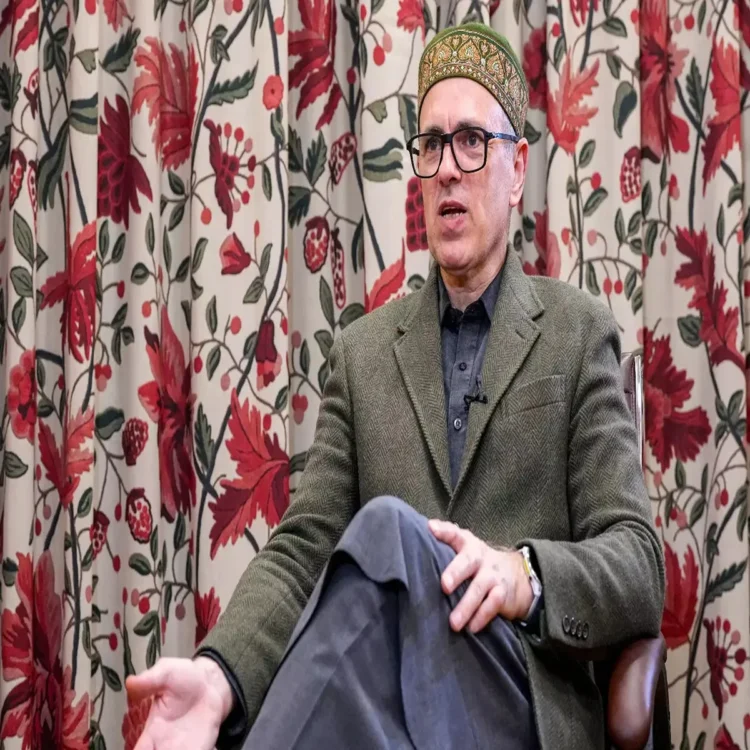
The disagreement surfaced after Omar Abdullah defended the administration’s stand on permitting existing wine shops to continue operating in Jammu and Kashmir. His comments triggered criticism from within his own party, with Ruhullah Mehdi alleging that the Chief Minister failed to honour promises given to voters before the elections.
Internal Differences Emerge Within National Conference
Speaking on the matter, Aga Syed Ruhullah Mehdi said the National Conference had clearly assured the public during its election outreach that liquor outlets opened in the region would be shut down. He argued that the party’s leadership was now taking a different position after assuming office.
Mehdi strongly objected to the Chief Minister’s response to public criticism on the issue. According to him, Omar Abdullah’s remarks appeared dismissive and lacked sensitivity toward people questioning the government’s policy decisions.
The Srinagar MP further claimed that instead of reassuring citizens or explaining the administration’s position calmly, the Chief Minister chose language that he considered inappropriate. Mehdi also alleged that the remarks reflected political messaging commonly associated with the Bharatiya Janata Party, adding that such statements should not be directed toward the people of Kashmir.
Omar Abdullah Defends Government Position
Omar Abdullah, however, defended the administration’s approach and clarified that the government was not encouraging alcohol consumption in the region. He said the policy merely allowed individuals whose religious beliefs permit alcohol consumption to make personal choices within the existing legal framework.
The Chief Minister pointed out that previous governments in Jammu and Kashmir had also not imposed a complete prohibition on liquor sales. He maintained that the current administration had not introduced any major shift in policy regarding existing wine shops.
Abdullah stressed that the government’s intention was not to promote drinking habits among residents, particularly the younger population. He noted that the administration had taken precautionary measures to prevent liquor outlets from influencing youth or being established in sensitive locations.
Measures Highlighted by the Administration
Explaining the government’s stand further, Omar Abdullah said no new liquor shops had been opened under his administration. He added that authorities were carefully monitoring the placement of existing outlets to ensure they were not located near areas where young people could be negatively influenced.
According to the Chief Minister, the administration remains conscious of the cultural and religious sentiments of the region. He reiterated that the government was attempting to maintain a balance between legal regulations and public sensitivities.
The issue has once again highlighted the political complexities surrounding governance in Jammu and Kashmir, where cultural values and administrative decisions often become subjects of intense public debate.
Political Reactions Intensify Debate
The controversy has also exposed visible differences within the National Conference leadership. While Omar Abdullah defended the administration’s approach as practical and balanced, Ruhullah Mehdi’s remarks reflected growing dissatisfaction among certain party members over the handling of sensitive public issues.
Abdullah also accused opposition parties of attempting to politicise the liquor shop controversy to shift attention away from their own shortcomings. Though he did not name any specific political group, he suggested that critics were trying to create unnecessary distractions through emotionally charged debates.
Political observers believe the disagreement could generate further discussion within the party, especially because the issue touches both religious sentiments and election-related commitments. The debate is expected to remain active as public reactions continue across Jammu and Kashmir.