
Weather Safety – Delhi Government Expands Heatwave Relief Measures Across Capital
Weather Safety – The Delhi government has intensified its response to severe summer conditions by launching multiple public welfare measures aimed at protecting residents from rising temperatures across the national capital.
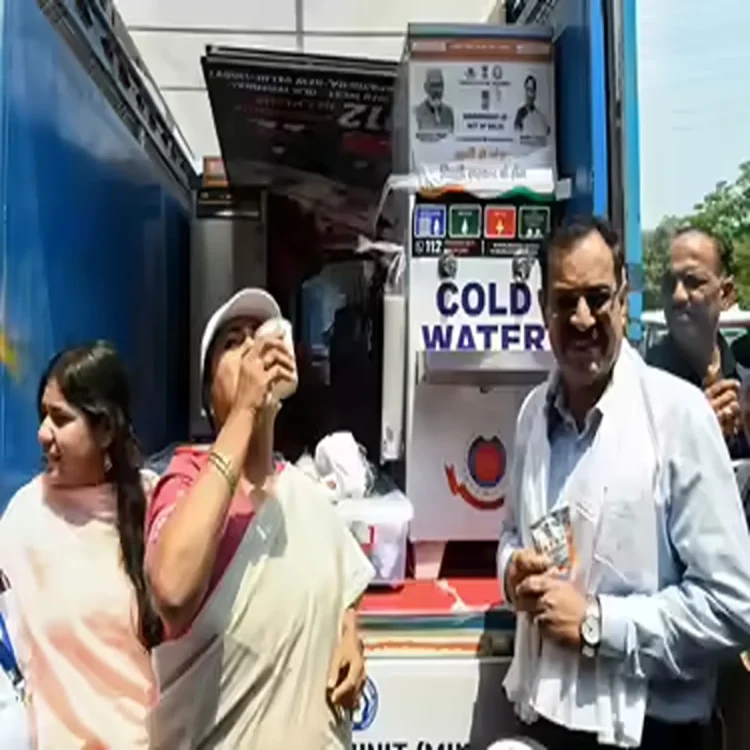
Chief Minister Rekha Gupta on Wednesday inaugurated 13 mobile heat relief units from the Delhi Secretariat as part of the administration’s broader efforts to support people affected by the ongoing heatwave. The initiative is designed to provide immediate assistance, drinking water, first aid and emergency support to residents exposed to extreme heat conditions across different parts of the city.
Government Releases Detailed Heat Preparedness Strategy
During the event, the Chief Minister also unveiled the government’s Heat Action Plan 2026, a detailed policy document outlining preventive and emergency measures to reduce the impact of high temperatures in Delhi. The plan focuses on improving coordination among departments, strengthening medical preparedness and ensuring faster relief services during heat-related emergencies.
According to the Chief Minister, the administration has adopted a people-focused strategy this year, with extensive planning carried out ahead of the summer season. She stated that authorities are working to ensure that every section of society receives timely support and protection during prolonged heatwave conditions.
Focus on Vulnerable Communities
The government said special attention has been given to groups considered most vulnerable during extreme weather conditions. These include daily wage earners, construction labourers, street vendors, homeless individuals, senior citizens, women and children. Officials believe these groups face a greater risk of dehydration, heatstroke and other heat-related illnesses because of prolonged outdoor exposure.
As part of the safety measures, fresh guidelines have been issued for outdoor workers and construction sites across the city. Institutions and contractors have been advised to pause physically demanding labour activities between 1 pm and 4 pm, the period generally considered most dangerous during peak summer afternoons. Employers have also been instructed to provide sufficient rest breaks and access to drinking water for workers.
The Chief Minister emphasised that safeguarding workers’ health remains a major priority for the administration during the heatwave season.
Schools Introduce Hydration Measures for Students
To reduce health risks among school children, the government has introduced a new “Water Bell System” in educational institutions. Under this arrangement, schools will regularly remind students to drink water throughout the day in order to prevent dehydration and heat exhaustion.
Authorities have also directed schools to suspend outdoor activities during peak afternoon hours when temperatures are expected to remain dangerously high. Education officials said these steps are intended to minimise direct exposure to intense sunlight and reduce the likelihood of heat-related illnesses among students.
Hospitals Strengthen Heatstroke Preparedness
The health department has simultaneously expanded emergency arrangements across hospitals and medical centres in Delhi. More than 339 healthcare facilities have reportedly been equipped with essential supplies required for treating heatstroke patients. These include oral rehydration solution packets, ice packs, cooling facilities and emergency medicines.
Several hospitals have additionally established dedicated cool rooms to stabilise patients suffering from severe heat exhaustion and related complications. Health authorities said medical teams are on alert as temperatures continue to rise in the region.
The government’s latest measures come amid forecasts of continued extreme heat conditions in northern India over the coming weeks. Officials have urged residents to remain hydrated, avoid unnecessary outdoor exposure during afternoon hours and follow public health advisories issued by authorities