
Court – Delhi High Court to Appoint Lawyers After Leaders Skip Hearing
Court – The Delhi High Court on Tuesday indicated it will appoint independent senior advocates to represent several accused in the excise policy case after key political figures chose not to attend the hearing. The decision came after former Delhi chief minister Arvind Kejriwal, along with legislators Manish Sisodia and Durgesh Pathak, declined to appear before the court.
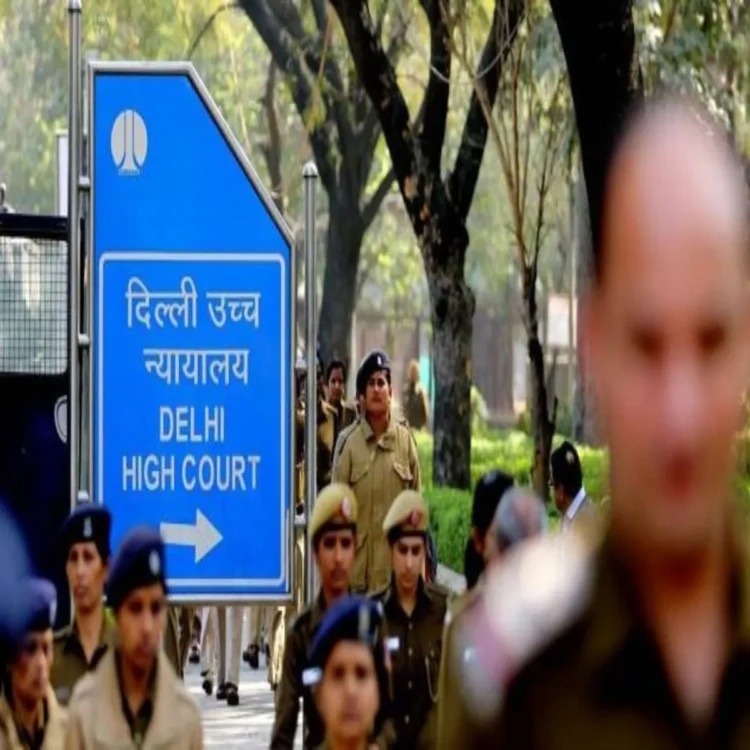
Court Steps In to Ensure Representation
Justice Swarana Kanta Sharma stated that the court would assign experienced legal professionals as amicus curiae to ensure the case proceeds fairly despite the absence of representation for the accused. The move aims to maintain continuity in the judicial process and avoid further delays.
The hearing has now been postponed until May 8, allowing time for the appointment of these legal representatives. The court emphasized that it would resume detailed proceedings once counsel is in place for all parties involved.
Boycott Follows Rejection of Recusal Request
The absence of the accused stems from their objection to Justice Sharma continuing to preside over the matter. Earlier, they had requested her recusal, citing concerns about a possible conflict of interest and perceived bias. However, the court dismissed these claims, stating that recusal cannot be granted solely based on unverified apprehensions.
Following this decision, Kejriwal, Sisodia, and Pathak formally informed the court that they would neither attend the hearings in person nor engage legal representation. In their communication, they referred to adopting a path of peaceful protest inspired by Mahatma Gandhi.
CBI Challenges Trial Court Decision
The current proceedings arise from a petition filed by the Central Bureau of Investigation (CBI), which is contesting a trial court ruling that discharged all accused individuals in the case. The trial court, in its earlier judgment dated February 27, had concluded that the allegations lacked sufficient merit and failed to withstand judicial scrutiny.
In response, the CBI approached the High Court, arguing that the lower court’s findings contained errors that warranted reconsideration. The High Court had issued notices to all 23 accused and stayed certain directions issued against the investigating officer involved in the case.
Concerns Over Judicial Impartiality Raised
The plea for recusal was based on claims that Justice Sharma’s family members are associated with the central government’s legal panel and receive assignments through the solicitor general, who is representing the CBI in this matter. The accused argued that this relationship could raise doubts about impartiality.
However, the court rejected these concerns, clarifying that judicial independence cannot be questioned on speculative grounds. Justice Sharma noted that allowing such requests without substantive evidence could disrupt the integrity of the judicial system.
Next Steps in the Case
With the appointment of amicus curiae expected shortly, the High Court plans to proceed with the hearing later this week. The court reiterated its commitment to ensuring a fair and transparent process while addressing the legal issues raised by the CBI’s petition.
The case continues to draw attention due to its political implications and the involvement of prominent public figures. The upcoming hearing is likely to determine the direction of further legal proceedings.