
Governance – Madhya Pradesh Assembly Convenes Special Session on Women’s Empowerment
Governance – The Bharatiya Janata Party (BJP) leadership in Madhya Pradesh convened a legislative party meeting on Monday at the residence of Chief Minister Mohan Yadav, setting the stage for a special session of the state Legislative Assembly focused on advancing women’s empowerment initiatives.
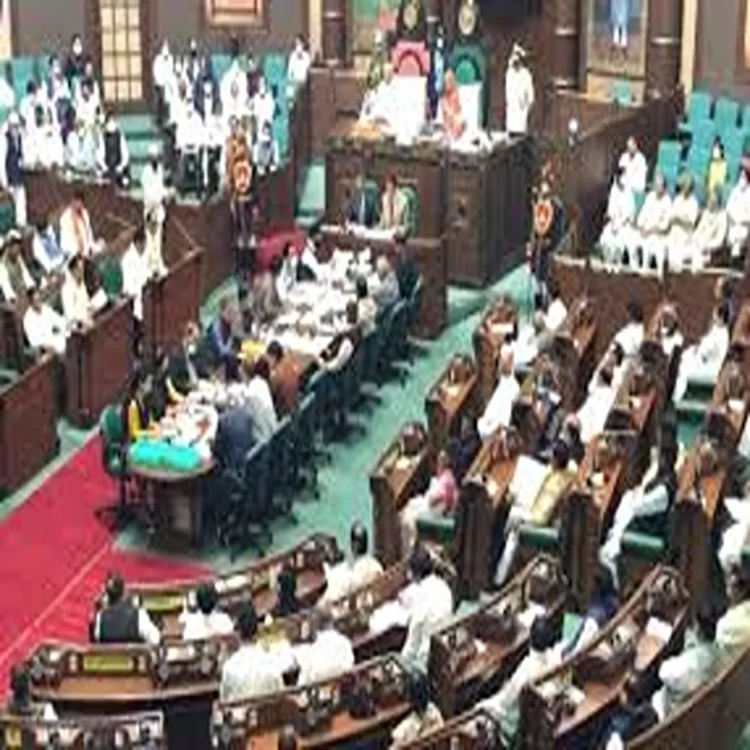
Focus on Women-Centric Policy Discussions
According to an official notification issued by the Assembly secretariat, the special session is scheduled to take place in two sittings, from 11:00 am to 1:30 pm and again from 3:00 pm to 5:30 pm, unless modified by the Speaker. The agenda for the session underscores discussions around policies and programs designed to strengthen the role of women in governance and society.
The proposed deliberations reflect the state government’s broader emphasis on inclusive development, with particular attention to improving participation and representation of women in public institutions. Lawmakers are expected to examine various measures aimed at enhancing opportunities for women across sectors.
Government Resolution to Address Representation
Chief Minister Mohan Yadav is set to introduce a government resolution addressing women’s empowerment and development. A key component of the proposal includes provisions for implementing a 33 percent reservation for women in the Legislative Assembly.
The resolution is likely to spark detailed discussions among members, as it touches upon structural changes in political representation. The Chief Minister will initiate the debate on behalf of the ruling BJP, outlining the government’s position and expected outcomes from the initiative.
Similar Legislative Moves Across States
Parallel developments are being observed in other parts of the country. The Delhi Legislative Assembly has announced a one-day special sitting scheduled for April 28 at the Old Secretariat, where similar themes related to governance and participation are expected to be discussed.
Likewise, the Odisha Legislative Assembly has called for a one-day session on April 30, with a focus on examining the role and participation of women in India’s democratic framework. These coordinated efforts across multiple states indicate a growing national conversation around enhancing women’s representation in politics.
Background: Debate Over Constitutional Amendment Bill
The renewed focus on women’s reservation follows recent developments in Parliament. On April 17, the Lok Sabha took up several key legislative proposals, including the Constitution (One Hundred and Thirty-first Amendment) Bill, alongside the Delimitation Bill and the Union Territories Laws (Amendment) Bill.
During voting, 298 members supported the Constitutional Amendment Bill, while 230 voted against it. Despite receiving significant backing, the bill did not pass, leading to sharp political reactions. The proposed amendment aimed to strengthen provisions related to representation, including women’s participation in legislative bodies.
Political Reactions and Public Outreach
Following the outcome, parties within the National Democratic Alliance (NDA) criticized opposition groups, alleging that their stance hindered progress toward securing one-third reservation for women legislators.
In response, the BJP has organized outreach campaigns, including Jan Akrosh Padyatras in several states. These public engagement efforts are intended to highlight the party’s position on the issue and mobilize support for increased representation of women in governance structures.
Broader Implications for Policy Direction
The developments in Madhya Pradesh and other states reflect a broader policy direction that places women’s participation at the center of legislative priorities. As discussions unfold, the outcomes of these sessions may influence future policy frameworks and contribute to shaping the national discourse on gender representation in politics.
The coming days are expected to bring further clarity on how these proposals will translate into actionable reforms and whether they will gain wider political consensus.