
Energy – Global LNG Supply Crunch Expected to Persist Until 2027
Energy – Liquefied natural gas markets are expected to remain under significant pressure for the next few years as geopolitical conflict continues to disrupt supply chains. A recent assessment indicates that the global energy system is facing an extended period of tight LNG availability, largely due to infrastructure damage and supply interruptions linked to escalating tensions between major global players.
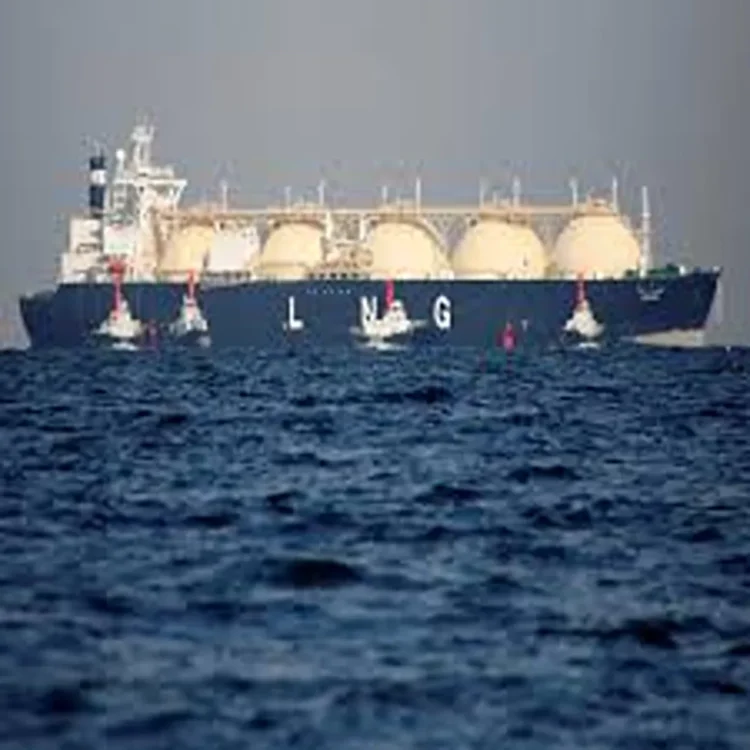
Conflict Disruptions Reshape Global Energy Flows
The ongoing conflict has had a direct impact on energy transportation routes and production facilities, particularly in regions critical to global oil and gas exports. One of the most significant developments has been the effective closure of a key maritime passage used by tanker fleets, limiting the movement of fuel supplies from major producing countries. In response to military actions, energy infrastructure in nearby regions has also come under attack, further straining output and logistics.
These disruptions have not only reduced immediate supply but have also introduced uncertainty into future production planning. Energy producers and exporters are facing challenges in maintaining consistent operations, which is affecting global availability.
Significant Supply Losses Forecast
According to the latest estimates, the combined effect of reduced output and slower expansion of new facilities could result in a substantial shortfall in LNG supply over the coming years. Projections suggest that between 2026 and 2030, the global market may experience a cumulative loss of approximately 120 billion cubic metres of LNG.
The scale of the disruption is considerable, with nearly one-fifth of global LNG supply already affected. This level of reduction highlights the vulnerability of energy systems to geopolitical risks and underscores the importance of stable supply chains.
Delays in New Production Capacity
Efforts to increase LNG production capacity are also expected to face setbacks. Investment decisions for new liquefaction projects are being delayed as uncertainty around market conditions persists. Developers are cautious about committing resources in an environment where both demand and supply outlooks remain volatile.
While alternative projects in other regions are expected to gradually offset some of the lost supply, these developments will take time to come online. As a result, the imbalance between supply and demand is likely to continue through at least 2026 and 2027.
Rising Prices and Demand Adjustments
The tightening supply has already led to a sharp increase in energy prices. Higher costs are beginning to influence consumption patterns, with several countries introducing measures aimed at reducing energy use. These steps include promoting efficiency and encouraging shifts toward other energy sources.
In particular, parts of Asia are witnessing a growing trend of switching to alternative fuels as well as implementing conservation policies. These demand-side adjustments are expected to play a crucial role in stabilizing the market in the absence of sufficient supply growth.
Broader Economic Implications
Sustained high energy prices could have far-reaching consequences for the global economy. Economists caution that elevated fuel costs may contribute to inflationary pressures, affecting both businesses and households. If consumers respond by cutting back on spending, it could slow economic growth across multiple regions.
The current situation highlights the interconnected nature of global energy markets and the broader economy. As governments and industries adapt to evolving conditions, the balance between supply, demand, and pricing will remain a key factor shaping economic stability in the coming years